
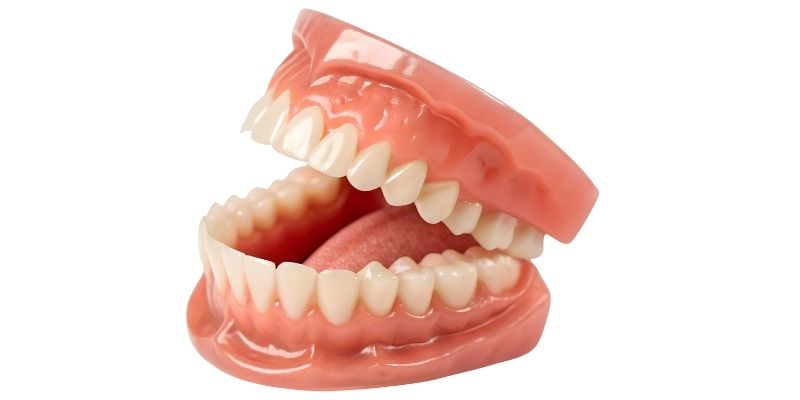
If you’re missing most or all of your teeth, you might wonder if snap-in dentures could work for you.
You’re a good candidate for snap-in dentures if you’re missing the majority of your teeth due to injury, dental cavities, or periodontal disease and have enough jawbone to support dental implants.
Unlike regular dentures that sit on your gums, snap-in dentures attach to implants placed in your jawbone for better stability.
The process isn’t right for everyone though. You need adequate bone density in your jaw to hold the implants securely. If your bone has worn away over time, you might need a bone graft first, which adds time and cost to your treatment.
Snap-in dentures offer major improvements over traditional dentures. You’ll be able to eat harder foods, speak more clearly, and feel more confident knowing your teeth won’t slip around. The investment in time and money can pay off with better comfort and function for years to come.
Key Takeaways
- You need sufficient jawbone density to support dental implants for snap-in dentures to work properly
- Snap-in dentures provide better stability and chewing ability compared to traditional removable dentures
- The process takes several months and costs more than regular dentures but offers long-term benefits
Who Makes a Good Candidate for Snap-In Dentures?
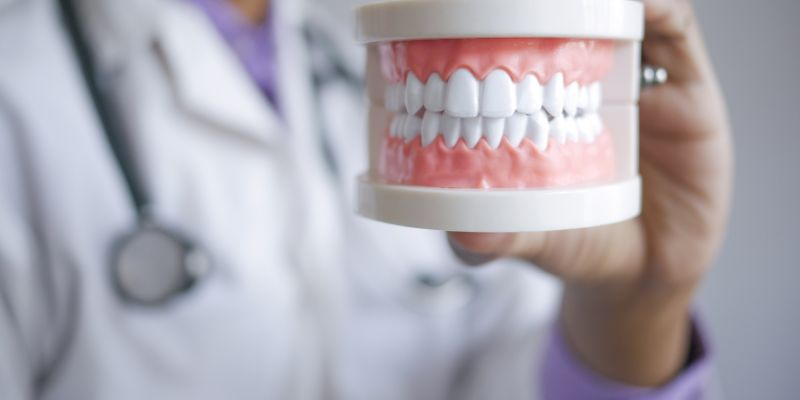
Not everyone qualifies for snap-in dentures, as they require adequate jawbone density to support dental implants and good overall oral health. Understanding these requirements helps determine if you’re ready for this tooth replacement option or if additional procedures like bone grafting might be needed first.
Ideal Candidates: Key Requirements
You make an excellent candidate for snap-in dentures if you’re missing most or all of your natural teeth due to injury, decay, or gum disease. This applies whether you currently wear traditional dentures or have recently lost your teeth.
Primary qualifications include:
- Missing multiple teeth or complete tooth loss
- Commitment to good oral hygiene practices
- Healthy gums free from active infection
- Realistic expectations about the treatment process
Your age typically isn’t a limiting factor. Many older adults successfully receive implant-supported dentures as long as they meet the health requirements.
You’re also a strong candidate if you struggle with loose or ill-fitting traditional dentures. Many people choose snap-in dentures because they want better stability and comfort than conventional options provide.
Good overall health matters too. You should be able to handle minor oral surgery and the healing process that follows implant placement.
Are you ready to experience better stability and comfort with snap-in dentures? Book your consultation with our Wilmington, NC team today and find out if you’re a candidate!
Assessing Jawbone Health and Density
Your jawbone density determines whether implants can successfully support snap-in dentures. Adequate jawbone density is essential because implants need solid bone to integrate properly.
Dentists use X-rays and 3D scans to measure your bone quality and quantity. These images show exactly how much bone exists in the areas where implants would be placed.
Key bone health factors:
- Bone height:Sufficient vertical bone to accommodate implant length
- Bone width:Adequate horizontal space for implant diameter
- Bone quality:Dense, healthy bone that can support chewing forces
If you’ve worn traditional dentures for years, you may have experienced bone loss. The jawbone shrinks when it doesn’t receive stimulation from tooth roots. This natural process can reduce the bone available for implant placement.
Recent tooth loss typically means better bone preservation. The sooner you consider implant-supported dentures after losing teeth, the more bone you’re likely to have available.
Role of Bone Grafting in Candidacy
Bone grafting can make you a candidate for snap-in dentures even if your current jawbone density seems insufficient. Dental bone grafts help qualify patients who don’t initially have enough bone for implant placement.
During bone grafting, your oral surgeon adds bone material to areas where your natural bone has thinned. This creates a solid foundation for future implants.
Common grafting scenarios:
- Sinus lifts:Adding bone to upper jaw areas near sinuses
- Ridge augmentation:Building up narrow or short bone areas
- Socket preservation:Filling extraction sites to prevent bone loss
The grafting process typically adds 3-6 months to your treatment timeline. However, it significantly improves your chances of long-term implant success.
Many patients who thought they weren’t candidates discover that bone grafting opens up this treatment option. Your oral surgeon can evaluate whether grafting would benefit your specific situation.
Comparing Snap-In Dentures to Other Options
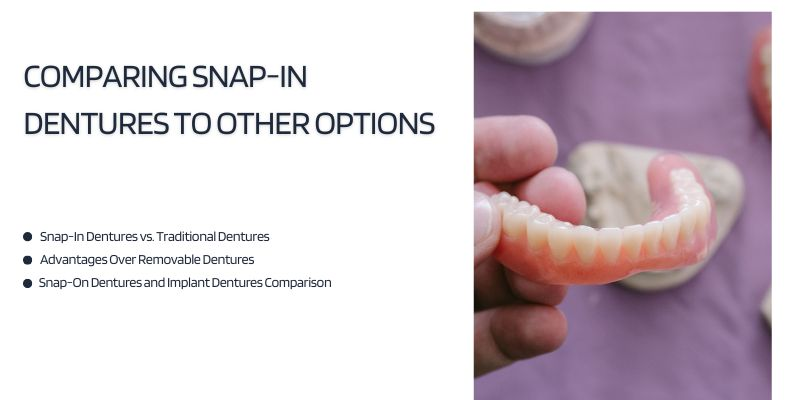
Snap-in dentures offer better stability and comfort than traditional options, while implant dentures provide the most secure tooth replacement solution available. Each option has different costs, maintenance needs, and benefits for your specific situation.
Snap-In Dentures vs. Traditional Dentures
Snap-in dentures are more stable than conventional dentures because they attach to implants in your jawbone. Traditional dentures sit on your gums and rely on suction or adhesive to stay in place.
Key Differences:
| Feature | Snap-In Dentures | Traditional Dentures |
| Stability | High – attached to implants | Low – may slip or move |
| Eating ability | Can eat harder foods | Limited to softer foods |
| Comfort | Better fit, less gum irritation | May cause sore spots |
| Cost | $5,000-$10,000 | $1,000-$3,000 |
You won’t need denture adhesives with snap-in options. They stay firmly in place when you talk, laugh, or eat.
Traditional dentures can become loose over time as your gums change shape. This makes eating sticky or hard foods difficult and embarrassing.
Advantages Over Removable Dentures
Snap-in dentures improve chewing ability compared to removable options. You can eat foods like corn on the cob, apples, and nuts without worry.
Comfort Benefits:
- Less friction on your gums
- No daily removal required for some types
- Better speech clarity
- More natural appearance
Removable dentures often cause clicking sounds when you speak. Snap-in dentures eliminate this problem because they don’t move around in your mouth.
Your jaw bone stays healthier with snap-in dentures. Regular removable dentures don’t stimulate the bone, leading to more bone loss over time.
You’ll feel more confident eating in social situations. No more worrying about your dentures falling out or food getting stuck underneath.
Snap-On Dentures and Implant Dentures Comparison
Fixed dentures usually cost more because they may need more implants than removable snap-on versions. Full implant dentures replace each tooth individually with separate implants.
Snap-On Dentures:
- Use 2-6 implants per jaw
- Can be removed for cleaning
- Cost $5,000-$10,000
- Easier initial procedure
Full Implant Dentures:
- Use 6-8 implants per arch
- Permanently attached
- Cost $15,000-$30,000 per arch
- Multiple surgeries required
Snap-on dentures give you a good balance of stability and affordability. They’re much more stable than traditional dentures but cost less than full implant replacements.
Both options prevent bone loss better than regular dentures. The implants keep your jawbone active and healthy by providing stimulation when you chew.
The Snap-In Dentures Process
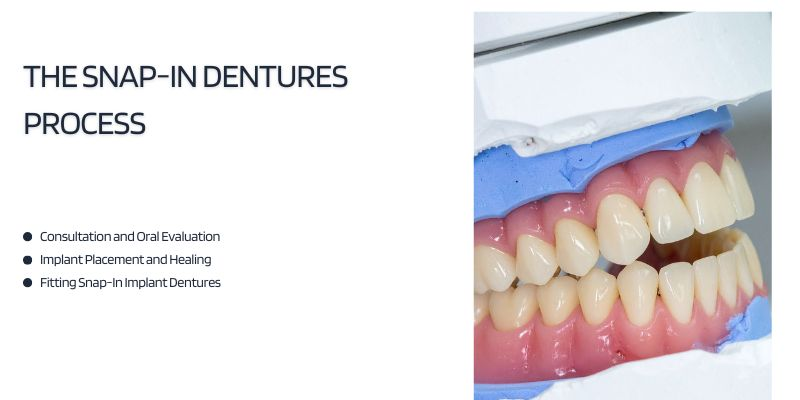
The process involves three main steps that typically take several months to complete. Your dentist will place implants in your jawbone, allow time for healing, and then attach your custom dentures.
Consultation and Oral Evaluation
Your dentist will examine your mouth to see if you’re a good candidate for snap-in dentures. They’ll take X-rays and check your jawbone density.
During this visit, your dentist will measure your jaw and gums. They’ll also discuss your medical history and any medications you take.
If your jawbone isn’t thick enough, you might need a bone graft first. This adds extra bone material to support the implants.
Your dentist will create a treatment plan just for you. They’ll explain how many implants you need and where they’ll go.
Most people need 2-4 implants per jaw. The exact number depends on your bone structure and the type of dentures you want.
Take the first step toward a more confident smile! Schedule your appointment with our Wilmington, NC experts and learn how snap-in dentures can change your life.
Implant Placement and Healing
An oral surgeon or your dentist will place the dental implants during a minor surgery. They’ll make small cuts in your gums and drill holes in your jawbone.
The implant posts go directly into these holes. Your surgeon will then stitch up your gums around the implants.
You’ll get temporary dentures to wear while you heal. This healing period usually takes 2-6 months.
During this time, your jawbone grows around the implants. This process is called osseointegration and makes the implants very strong.
You’ll need to eat soft foods and follow your dentist’s care instructions. Good oral hygiene helps prevent infection and speeds healing.
Fitting Snap-In Implant Dentures
Once your implants are fully healed, you’ll return for your final dentures. Your dentist will attach special connectors to the implant posts.
These connectors let your snap-in implant dentures click securely into place. Your dentist will make sure the fit is comfortable and secure.
You might need a few follow-up visits for small adjustments. Your dentist will teach you how to snap the dentures in and out.
The dentures should feel stable when you talk and eat. Unlike regular dentures, they won’t slip or move around in your mouth.
Your dentist will show you how to clean both the dentures and the implant sites properly.
Benefits and Challenges for Candidates
Snap-in dentures offer enhanced stability and comfort compared to traditional options, while also supporting your jawbone health through direct implant contact.
Understanding these advantages and potential drawbacks helps you make an informed decision about this tooth replacement option.
Stability and Comfort Improvements
Snap-in dentures attach directly to dental implants in your jawbone, creating a secure connection that won’t slip during daily activities. You can speak and eat without worrying about your dentures moving around.
The stability comes from the implant posts that act like artificial tooth roots. People with snap-in dentures can bite with up to 300% more force than those using traditional dentures.
Key comfort benefits include:
- No adhesive creams needed
- Less gum irritation and rubbing
- More natural chewing ability
- Greater confidence in social situations
You’ll find eating becomes easier with snap-in dentures. Foods that were difficult with traditional dentures become manageable again.
The magnetic or snap connections make removal simple when needed for cleaning. Yet they stay firmly in place during normal use, giving you the best of both worlds.
Bone Preservation and Jaw Health
Your jawbone needs stimulation to stay healthy and strong. Traditional dentures sit on top of your gums without providing this important pressure.
Dental implants used for snap-in dentures connect directly with your natural bite, putting healthy pressure on your jawbone. This stimulation helps prevent bone loss that often happens after tooth loss.
Bone preservation advantages:
- Maintains jawbone density
- Prevents facial structure changes
- Supports long-term oral health
- Reduces need for denture adjustments
The implants act like natural tooth roots in your jawbone. Bone grows around these implants to hold them securely in place.
However, you need adequate bone density to qualify for implants. If your jawbone has already lost significant volume, you might need bone grafts before getting snap-in dentures.
Some candidates face challenges with the surgical procedure required for implant placement. Recovery time and potential discomfort are factors to consider in your decision.
Caring for Snap-In Dentures Before and After Placement
Proper care starts immediately after your implant surgery and continues with daily cleaning routines once your snap-in dentures are placed. Regular maintenance protects both your dental implants and dentures while preventing infections and ensuring long-term success.
Daily Cleaning and Hygiene
You should clean your dentures at least twice daily to maintain good oral hygiene. Remove your snap-in dentures each morning and evening for thorough cleaning.
Daily cleaning steps:
- Remove dentures by gently lifting them off the implant attachments
- Rinse dentures under warm water to remove food particles
- Brush all surfaces with a soft-bristled denture brush
- Use mild dish soap or denture cleaner, never regular toothpaste
Soak removable dentures in a denture solution overnight to kill bacteria and freshen them. This soaking also helps remove stubborn stains and odors.
Clean the implant attachments in your mouth using a soft toothbrush. Gently brush around each implant site to remove plaque buildup. Rinse your mouth with warm salt water after cleaning.
Oral Health Maintenance for Implant Success
Your dental implants need special care to stay healthy and secure. Poor oral hygiene around implants can lead to infection and implant failure.
Essential implant care:
- Brush around implant sites twice daily with a soft brush
- Use antimicrobial mouthwash to reduce harmful bacteria
- Avoid smoking, which increases implant failure risk
- Floss carefully around implant attachments using special floss threaders
Watch for warning signs of implant problems. Contact your dentist if you notice bleeding, swelling, or pain around implant sites. Loose attachments or changes in how your dentures fit also need immediate attention.
Schedule regular dental checkups every six months. Your dentist will examine your implants and clean areas you cannot reach at home.
Long-Term Maintenance and Adjustments
Your snap-in dentures will need professional maintenance and occasional adjustments over time. The attachment components wear out and require replacement every 12-18 months.
Maintenance schedule:
- Professional cleaning every 6 months
- Attachment replacement annually
- Denture relines every 3-5 years
- Implant health evaluations at each visit
Your jawbone and gums change shape over time. This means your dentures may become loose or uncomfortable. Your dentist can reline or adjust your dentures to restore proper fit.
Handle your dentures carefully to avoid damage. Always remove them over a folded towel or bowl of water. Store them in denture solution when not wearing them to prevent cracking.
Replace your dentures every 7-10 years or when they show significant wear. Well-maintained snap-in dentures last longer than traditional dentures because they experience less stress during chewing.
Frequently Asked Questions
How can one determine if they are a good candidate for snap-in dentures?
You need healthy jawbone structure and adequate bone density to support dental implants. Your dentist will take X-rays and perform a thorough examination to check these requirements.
Good oral hygiene habits are essential for success. You must commit to regular brushing, flossing, and dental checkups to maintain your implants and dentures.
Overall health matters for snap-in dentures since you need to handle a surgical procedure. Your dentist will review your medical history and current health status.
Non-smokers have better success rates with implant healing. If you smoke, your dentist may ask you to quit before starting treatment.
What factors might disqualify someone from being eligible for snap-in dentures?
Insufficient bone density in your jaw can prevent proper implant placement. Some people need bone grafting procedures first, which adds time and cost to treatment.
Poor oral health habits make you a risky candidate. If you cannot maintain proper cleaning routines, implants may fail over time.
Smoking significantly increases your risk of implant failure. The chemicals interfere with healing and can cause complications during recovery.
Certain medical conditions like uncontrolled diabetes affect healing. Your dentist will evaluate whether your health allows for successful implant surgery.
What are the typical costs associated with snap-in dentures without insurance coverage?
Snap-in dentures typically cost between $15,000 and $25,000 for a full arch. This price includes the implants, abutments, and the actual denture appliance.
The number of implants needed affects your total cost. Most people need 2-4 implants per arch to support their snap-in dentures properly.
Additional procedures like tooth extractions or bone grafting increase expenses. These preparatory treatments can add $1,000 to $5,000 to your total bill.
Can you outline the pros and cons of choosing snap-in dentures over traditional dentures?
Snap-in dentures stay much more secure than traditional dentures during eating and speaking. You can bite into foods like apples and corn without worry about slipping.
The implants help preserve your jawbone structure over time. Traditional dentures allow bone loss since they do not stimulate the jaw like natural teeth.
Cleaning becomes easier since you can remove snap-in dentures for thorough washing. Snap-on dentures can be removed for cleaning and maintenance as needed.
The main downside is higher upfront cost compared to regular dentures. You also need surgery to place the implants, which involves recovery time.
Some people experience initial discomfort while adjusting to the implants. This usually resolves within a few weeks of placement.
Are there common issues that patients might experience with snap-in dentures?
Initial soreness around implant sites is normal during the first few weeks. Your gums need time to heal and adjust to the new implants.
Some people need adjustments to achieve the perfect fit. Your dentist can modify pressure points and improve comfort during follow-up visits.
Food particles may get trapped under the dentures occasionally. Regular cleaning and rinsing after meals helps prevent this problem.
The snapping mechanism may wear out over several years of use. Replacement attachments are usually inexpensive and easy to install.
How does the pricing for snap-in dentures compare at different dental clinics?
Prices vary significantly between general dentists and specialists. Prosthodontists and oral surgeons often charge more but may offer greater expertise.
Urban areas typically have higher costs than rural locations. The same treatment might cost $5,000 more in major cities compared to smaller towns.
Some clinics offer package deals that include all phases of treatment. Others charge separately for consultations, surgery, and denture fabrication.
Payment plans and financing options differ between practices. Many dental offices work with third-party lenders to make treatment more affordable.