

Tooth pain can strike at the worst time and make it hard to focus on anything else.
Managing your tooth pain before you see an emergency dentist is important to keep the discomfort under control and avoid making the problem worse.
You don’t have to wait in pain until your appointment; there are simple steps you can take right at home to ease the hurt.
Knowing how to care for your tooth and mouth while waiting for professional help can make a big difference.
From using cold compresses to rinsing with salt water and choosing the right pain relief options, you can find ways to feel better while keeping your tooth safe.
Taking care of your mouth now also helps the dentist treat you faster and more effectively when you get there.
Keep reading to find easy, practical tips that can help until you get the emergency dental care you need.
Key Takeaways
- You can reduce tooth pain with simple home treatments before your dental visit.
- Proper care helps prevent the problem from getting worse.
- Using safe pain relief and keeping your mouth cleansupports healing.
Get Fast Relief for Tooth Pain in Wilmington
Identifying the Causes of Tooth Pain
Over 22% of adults experience dental pain each year, making it one of the most common oral health complaints.
Knowing what might be causing your tooth pain helps you manage it better.
Some issues are simple like cavities, while others need urgent attention to avoid serious problems.
Understanding the signs can help you decide when to get help fast.
Common Dental Issues Leading to Toothache
Tooth pain often starts with common problems like cavities or tooth decay.
Cavities form when enamel wears down, exposing sensitive areas of your tooth.
This can cause sharp or constant pain, especially when eating hot or cold foods.
Another cause is tooth damage, like a cracked tooth.
Damage can range from a dull ache to intense tooth pain.
Gum disease is also a factor.
It inflames your gums and can expose tooth roots, making your teeth sensitive and sore.
Sometimes, an abscess forms, which is an infection inside the tooth or gums.
This causes swelling, sharp pain, and possibly fever.
If you notice pus or swelling, it means you need urgent care.
Recognizing Signs of a Dental Emergency
Certain signs show your toothache is more serious and needs quick attention.
Intense tooth pain that won’t go away is a big warning.
If the pain spreads to your jaw, ear, or neck, it means the infection may be spreading.
Swelling of your face or gums, fever, or pus near the tooth are emergency signs.
These symptoms suggest an infection that could worsen quickly.
Untreated dental infections can spread beyond the mouth in as little as 24–72 hours.
If you have trouble swallowing or breathing, get emergency help immediately.
These severe symptoms need fast treatment to prevent risks to your overall health.
When to Seek Emergency Dental Care
You should contact an emergency dentist within 24 to 48 hours if you have persistent or severe tooth pain.
Pain that doesn’t respond to over-the-counter meds like ibuprofen or acetaminophen needs quick checking.
Also, seek urgent care if a tooth is knocked out, broken badly, or if you have constant bleeding.
Early treatment can save the tooth and stop infection from spreading.
If your pain is linked to fever, swelling, or pus, don’t wait.
These symptoms indicate an infection that needs immediate care from a dental professional to protect your oral health.
Need Help Beyond Tooth Pain Home Remedies in Wilmington?
Immediate Steps to Alleviate Tooth Pain at Home
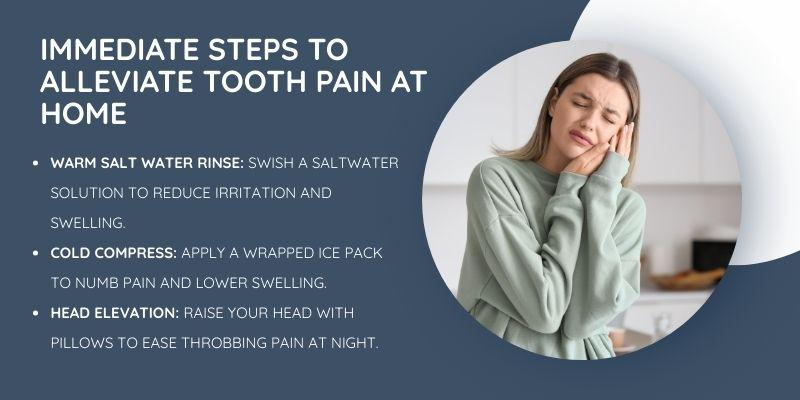
When tooth pain strikes, you can take simple actions right away to ease your discomfort.
Using natural, safe methods like rinsing with warm salt water, applying cold compresses, and adjusting how you rest can help reduce swelling and manage pain until you see a dentist.
Warm Salt Water Rinse Technique
A warm salt water rinse is an easy and natural way to soothe your toothache.
Mix ½ teaspoon of salt into 8 ounces of warm water until the salt dissolves.
Swish the solution gently around your mouth for about 30 seconds, then spit it out.
This rinse helps clean the area around the sore tooth and acts as a natural antibacterial agent.
It can reduce irritation and swelling by drawing out fluids and loosening debris.
Try doing this rinse every few hours, especially after meals, to keep the area clean and ease your pain.
Avoid swallowing the salt water, and use it until you can visit the dentist.
It won’t cure the problem but can give temporary relief as you wait.
Cold Compress Application
If your face or jaw feels swollen or the tooth pain is sharp, a cold compress can be very helpful.
Wrap ice or a pack of frozen vegetables in a cloth and press it gently against the cheek near the painful tooth.
Apply the cold compress in 15 to 20-minute intervals with breaks in between.
The cold helps reduce blood flow to the area, which lowers swelling and numbs the pain.
This method works best when your toothache comes with inflammation or throbbing.
Never put ice directly on your skin to avoid frostbite.
Keep the pack wrapped and avoid applying cold for too long.
This simple step can make a big difference in how you feel.
Head Elevation for Throbbing Pain
When tooth pain gets worse at night or feels like a steady throbbing, it might be due to increased blood pressure in your head while lying flat.
You can ease this by keeping your head raised.
Prop your head up with an extra pillow or two when you lie down.
This position helps reduce blood flow to the painful area, which can lower pressure and slow the throbbing pain.
This is a small change that often provides noticeable relief, especially when the pain interrupts your sleep.
Staying upright while resting helps keep swelling down and makes it easier to manage your discomfort until you get professional care.
Still in Pain? Schedule an Emergency Dental Visit Today
Medications and Pain Relief Products for Temporary Relief
When your tooth starts to hurt, certain medications and products can help ease the pain until you get professional care.
Some work by reducing inflammation and others by numbing the area.
Knowing how to use these safely can keep you comfortable and avoid making the problem worse.
Using Over-the-Counter Pain Relievers Safely
Over-the-counter (OTC) pain relievers like ibuprofen and acetaminophen are often the first step to managing tooth pain.
Ibuprofen is a nonsteroidal anti-inflammatory drug (NSAID) that cuts down swelling and reduces pain.
Acetaminophen relieves pain but doesn’t reduce inflammation.
Always follow the dosing instructions on the label.
For most adults, don’t take more than 3,200 mg of ibuprofen or 4,000 mg of acetaminophen in a day.
Taking too much can cause stomach problems or liver damage.
If you have medical conditions or take other medications, check with a healthcare professional before use.
If your pain is severe, you can alternate ibuprofen and acetaminophen every few hours, but never take both at the same time.
Topical Numbing Gels and Clove Oil
Tooth pain near the surface can be eased using topical numbing gels that contain benzocaine.
These gels are easy to apply directly to the sore tooth or gums.
They temporarily block pain signals, helping you feel relief for a short time.
Be cautious not to use these gels more than four times a day, and avoid swallowing them.
Some people may have allergies or sensitivity to benzocaine, so start with a small amount.
Clove oil is a natural alternative with pain-numbing and antibacterial effects.
Dilute a few drops of clove oil with a carrier oil like olive or grapeseed oil before applying it to the painful area.
This helps reduce the risk of irritation or burning.
Hold the mixture on the tooth with a cotton ball for a few minutes to feel relief.
Choosing Between Ibuprofen and Acetaminophen
Deciding whether to use ibuprofen or acetaminophen depends on the type of pain and your health.
Ibuprofen works best if your pain includes swelling or inflammation because it targets both.
Acetaminophen is a good option if you need pain relief but want to avoid stomach upset, which some people get with NSAIDs.
If you have stomach ulcers, kidney problems, or certain heart conditions, acetaminophen is usually safer.
If you have liver issues, ibuprofen may be better but still consult your doctor.
For managing dental pain, ibuprofen is often preferred, but combining or alternating with acetaminophen can give better results without increasing side effects.
Always space doses correctly and never exceed the recommended amounts.
Protecting the Tooth and Preventing Further Injury
Taking care of your injured tooth right away can stop more damage and reduce pain.
You want to avoid sharp edges hurting your mouth, eat foods that won’t stress the tooth, and quit harmful habits that make things worse.
Applying Dental Wax to Sharp Edges
If your tooth is chipped or broken, it might have sharp parts that can cut your tongue or cheeks.
You can protect your mouth by covering these edges with dental wax.
Get a small piece of clean dental wax, roll it into a ball, and press it gently over the sharp area.
This helps avoid cuts and soreness when you talk or eat.
If you don’t have dental wax, you can use sugar-free gum as a temporary fix.
Just make sure to change the wax often and keep the area clean.
This simple step helps protect your mouth until you see a dentist.
Sticking to Soft Foods
Eating soft foods lets your injured tooth rest and prevents extra pain.
Choose items like yogurt, mashed potatoes, scrambled eggs, or smoothies.
These foods don’t need much chewing, so they won’t put pressure on your tooth.
Avoid crunchy, hard, or sticky foods like nuts, chips, or caramel.
These can crack your tooth more or cause discomfort.
Eat small bites and chew on the opposite side of your mouth from the injury.
Soft foods support your oral health while you wait for treatment.
Avoiding Irritants and Harmful Habits
Keep away from things that might make your tooth pain worse.
Avoid very hot, cold, or sugary drinks because they can irritate exposed nerves.
Smoking and chewing tobacco also slow healing and increase risk of infection.
Don’t bite your nails or chew on pens, ice, or other hard objects.
These habits can cause more injury.
Drinking plenty of water and practicing good dental care like gentle brushing and flossing around the affected tooth helps keep your mouth clean and reduces pain.
Taking care now protects your smile in the long run.
Maintaining Oral Hygiene Before Your Dental Appointment
Taking care of your teeth and gums while waiting for your dental appointment is key to reducing pain and preventing more problems.
You want to clean gently to avoid making the pain worse, but still keep your mouth fresh and free from harmful bacteria.
Gentle Cleaning and Flossing
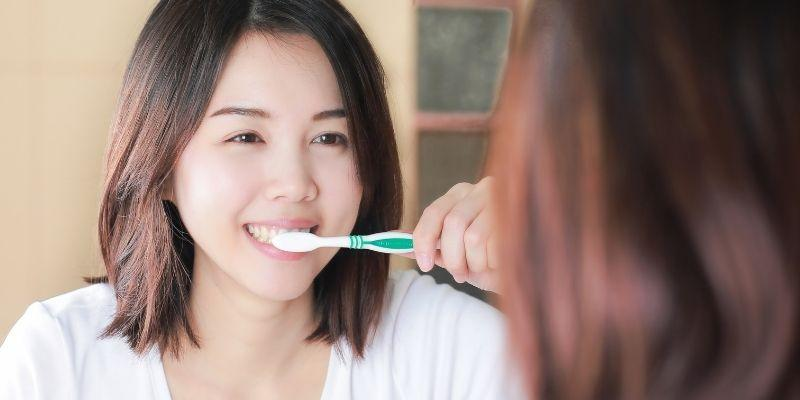
When brushing, use a soft-bristled toothbrush and gentle strokes.
Avoid hard scrubbing, especially near the sore tooth, to prevent irritation.
Brush at least twice a day but be extra careful around sensitive areas.
Flossing is important to remove food bits stuck between teeth, but do it gently.
If flossing causes pain, skip the painful spot and clean the rest of your mouth carefully.
You can also try a water flosser set to low pressure for a gentler clean.
Keep your toothpaste mild; avoid strong flavors or whitening kinds that can irritate your gums.
Rinse your mouth well after brushing to clear away any leftover debris.
Keeping the Affected Area Clean
Rinsing your mouth with warm salt water a few times a day can help reduce swelling and fight bacteria. Mix about half a teaspoon of salt in a glass of warm water, swish it gently for 30 seconds, and spit it out.
Avoid poking or prodding the painful tooth with your tongue or fingers, as this can irritate the area and increase pain. If you have a broken tooth or lost filling, try to keep food away from that spot.
What to Expect During and After Your Emergency Dental Visit
When you go to an emergency dentist, the process moves quickly but includes clear steps to ease your pain and fix the problem. You’ll need to be ready with some key information, get professional care tailored to your issue, and follow specific instructions afterward to help your mouth heal and avoid future pain.
Preparing for Your Visit
Before your dental appointment, gather important documents like your dental insurance card and any medical information. This helps speed up your check-in process at the emergency dental office.
If you took any pain medicine, let the dentist know. Expect the staff to ask detailed questions about your dental emergency, such as when the pain started or if you had any injuries.
This helps the dentist figure out the best treatment for you. You might also be asked about allergies or previous dental work.
Bring a list of current medications and any relevant paperwork. This information allows the emergency dentist to avoid treatments that might interact poorly with your health history.
Don’t hesitate to mention any home remedies you tried, as this might affect how they manage your pain.
Professional Treatment Options
Once the emergency dentist examines you, treatment depends on the cause and severity of your pain. Common steps include:
- Taking X-rays to see inside your teeth and gums
- Cleaning the affected area to remove debris or infection
- Applying a temporary filling or sealant if a tooth is cracked or broken
For severe pain caused by infection, antibiotics might be prescribed. Sometimes, a root canal or tooth extraction is necessary if the damage is extensive.
The dentist will also work to control your pain during the visit, using numbing agents or local anesthesia. This helps make the rest of your care more comfortable and manageable.
Aftercare and Preventing Future Tooth Pain
After your emergency treatment, you will get instructions on how to care for your mouth. This might include:
- Taking prescribed medication exactly as directed
- Using cold compresses to reduce swelling
- Avoiding hard, hot, or sticky foods for a few days
Follow-up appointments are usually scheduled to check healing progress or finish treatments.
To help prevent future dental emergencies, practice good hygiene by brushing twice daily and flossing. Wearing a mouthguard during sports and avoiding chewing on hard objects protect your teeth.
Regular dental visits help catch problems early before they turn into emergencies.
Frequently Asked Questions
You can use simple home treatments to ease the pain and reduce swelling. Knowing when tooth pain needs quick care helps you avoid serious problems.
Some places offer emergency help, but not all hospitals or clinics treat dental pain the same way.
What home remedies can provide relief for unbearable tooth pain?
Rinse your mouth gently with warm salt water to reduce swelling and clean the area. Applying a cold compress to your cheek can numb the pain and bring down swelling.
Taking over-the-counter pain medications like ibuprofen or acetaminophen can help too. Just follow the directions on the package and don’t put aspirin directly on your gums.
Are there any quick ways to stop tooth pain fast at night?
Elevate your head with pillows when you lie down to reduce pressure and ease the pain. Avoid very hot, cold, or sweet foods that might make the pain worse.
A cold compress for 15 minutes can numb the area, giving you fast relief until you rest.
When is tooth pain considered a dental emergency?
If you have severe pain that lasts more than a day, swelling that spreads to your face or neck, or a fever, you should get emergency care. Bleeding or pus around the tooth also means you need to see a dentist right away.
Watching for these signs helps you avoid bigger issues like infections.
What are the best practices for managing tooth pain until you can see a dentist?
Keep the painful area clean by gently brushing and flossing to remove any trapped food. Avoid chewing on that side and stay away from foods that cause discomfort.
Use home remedies like saltwater rinses, cold compresses, and pain relief medicine. Try not to lie flat and rest with your head raised to lessen the pain.
Which hospitals offer emergency dental services?
Most hospitals provide emergency care for severe infections or injuries but usually don’t do dental treatments like fillings or extractions. They can give pain relief and antibiotics if needed.
For lasting dental work, you should visit a dentist who offers emergency dentistry services.
Can urgent care centers help with severe toothache and how?
Urgent care centers can provide antibiotics or pain medications if your tooth pain is linked to infection or swelling.
However, they typically don’t offer dental procedures.
If you can’t see a dentist right away, urgent care can stabilize your symptoms until you get the proper dental treatment.