

Dental pain can strike at any time, leaving you wondering if you need to rush to an emergency dentist or if it can wait until morning.
You should see an emergency dentist immediately if you experience severe pain, have a knocked-out tooth, notice signs of infection like swelling, or suffer trauma that causes bleeding or broken teeth.
Knowing when a dental issue requires urgent care versus when it can wait for a regular appointment can save you time, money, and unnecessary suffering. Excruciating pain is often the main factor that determines whether you need emergency dental care right away.
Emergency dental situations are more common than you might think. From sports injuries to biting down on something hard, dental emergencies can happen to anyone at any time, making it important to understand when immediate professional help is necessary.
Key Takeaways
- Emergency dental care is needed for severe pain, knocked-out teeth, infections, or trauma causing bleeding
- Quick action within the first hour can often save a damaged or knocked-out tooth
- Knowing the difference between urgent and non-urgent dental issues helps you make better decisions about your care
What Is a Dental Emergency?
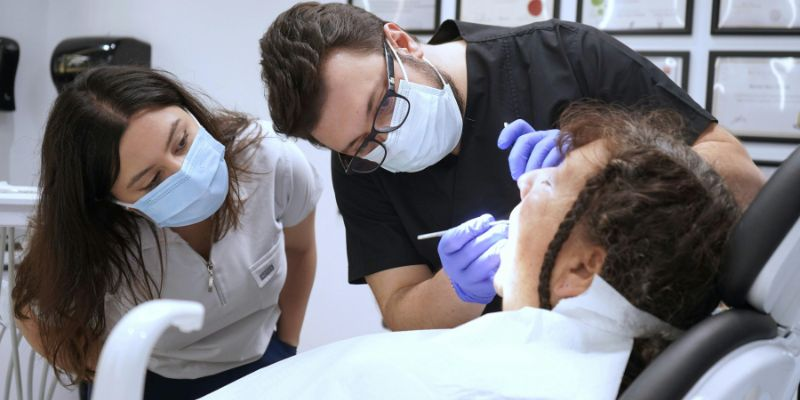
A dental emergency requires immediate attention to prevent serious complications, while routine dental problems can wait for regular office hours. Understanding the difference helps you make the right choice about when to seek emergency dental care.
Recognizing Urgent Dental Problems
Several signs indicate you need emergency dental care right away. Severe pain that doesn’t improve with over-the-counter medications signals a serious problem.
Uncontrolled bleeding from your mouth requires immediate attention. This includes bleeding that won’t stop after applying pressure for 15-20 minutes.
Knocked-out teeth represent true dental emergencies. You have the best chance of saving the tooth if you see an emergency dentist within one hour.
Swelling in your face or jaw often indicates a serious infection. This can spread to other parts of your body if left untreated.
Broken facial bones need immediate medical care. Go directly to the emergency room for this type of injury.
Dental abscesses cause dangerous infections. If you have fever and facial swelling, seek urgent dental care immediately.
Differences Between Routine and Emergency Dental Issues
Not all dental problems need emergency treatment. Mild toothaches can usually wait for a regular appointment during business hours.
Small chips or cracks without pain don’t require urgent dental care. Cover sharp edges with orthodontic wax until your appointment.
Emergency situations include severe pain, heavy bleeding, or trauma to your face and teeth. These problems can worsen quickly without treatment.
Routine issues like minor cuts, dull pain, or broken braces can wait. You should still call your dentist, but it’s okay to schedule during normal hours.
The key difference is severity and timing. Emergency dental care prevents permanent damage, tooth loss, or serious infections.
| Emergency | Routine |
| Severe, constant pain | Mild, manageable pain |
| Heavy bleeding | Minor cuts or sores |
| Knocked-out tooth | Small chip without pain |
| Facial swelling | Object stuck between teeth |
| Broken jaw or facial bones | Broken braces wire |
Common Causes of Dental Emergencies
Sports injuries are a leading cause of dental trauma. Playing contact sports without a mouthguard increases your risk significantly.
Accidents and falls can crack, chip, or knock out teeth. Car accidents and workplace injuries often result in serious oral health emergencies.
Severe tooth decay leads to infections and abscesses. Ignoring cavities allows bacteria to reach the tooth’s nerve, causing intense pain.
Biting hard objects can crack or break teeth. Ice, hard candy, and popcorn kernels commonly cause fractured teeth.
Gum disease in advanced stages can cause tooth loss and serious infections. Poor oral hygiene allows harmful bacteria to damage your gums and teeth.
Previous dental work failure sometimes creates emergencies. Old fillings, crowns, or bridges can break and expose sensitive tooth areas.
Don’t wait to get the urgent care you need. Book your appointment with our Wilmington, NC emergency dentist today for fast relief and treatment.
Critical Signs You Should See an Emergency Dentist
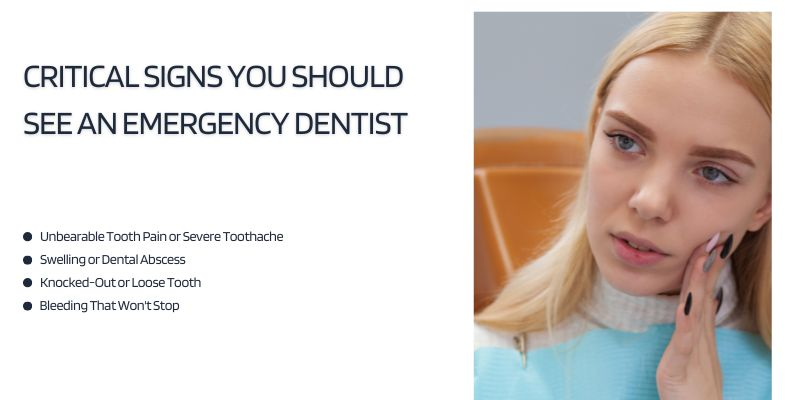
Some dental problems need immediate attention to prevent serious complications or permanent damage. Pain that doesn’t respond to medication, facial swelling, knocked-out teeth, and uncontrolled bleeding require urgent dental care.
Unbearable Tooth Pain or Severe Toothache
A severe toothache that doesn’t improve with over-the-counter pain medication signals a serious problem. This type of pain often means you have nerve damage or a deep infection.
Signs your toothache needs emergency care:
- Pain that wakes you up at night
- Throbbing pain that gets worse over time
- Pain when you bite down or touch the tooth
- Sensitivity to hot or cold that lingers
Don’t put aspirin directly on your gums as it can burn the tissue. Instead, rinse with warm water and take pain relievers as directed on the package.
If your pain is severe and constant, you need to see an emergency dental clinic right away. Waiting can lead to more serious complications like bone loss or spreading infection.
Swelling or Dental Abscess
Dental abscess swelling in your face, jaw, or gums is a serious emergency. An abscessed tooth creates a pocket of infection that can spread to other parts of your body if left untreated.
Warning signs of a dental abscess:
- Swollen, red bump on your gums
- Pus or bad taste in your mouth
- Fever or feeling unwell
- Swollen lymph nodes in your neck
A dental abscess won’t go away on its own. The infection can spread to your jaw, neck, or even your brain in severe cases.
Rinse with warm salt water to help draw out infection while you wait to see a dental emergency dentist. Mix half a teaspoon of salt in eight ounces of water and rinse several times a day.
Knocked-Out or Loose Tooth
A knocked-out tooth is one of the most time-sensitive dental emergencies. Your dentist has the best chance of saving a knocked-out tooth when it’s put back within one hour.
Steps to take immediately:
- Pick up the tooth by the crown only
- Rinse gently with water if dirty
- Try to put it back in the socket
- If you can’t reinsert it, store in milk
Never scrub the tooth or remove any tissue that’s still attached. Don’t use tap water to store the tooth as it can damage the root cells.
A loose tooth that’s been pushed out of position also needs immediate attention. Apply a cold compress to reduce swelling and take pain medication while you head to the emergency dental clinic.
Bleeding That Won’t Stop
Minor bleeding from your gums usually stops within a few minutes. However, bleeding that won’t stop after 15-20 minutes of applying pressure needs emergency care.
When bleeding becomes an emergency:
- Blood soaks through gauze repeatedly
- Bleeding continues for more than 20 minutes
- You feel dizzy or weak from blood loss
- The bleeding started after trauma or injury
Apply firm pressure with clean gauze or a tea bag to control bleeding. Tea contains tannic acid that helps blood vessels shrink and slow bleeding.
If you can’t control the bleeding at home, go to an emergency dental clinic or hospital emergency room right away. Continue applying pressure while you travel to get care.
Experiencing severe tooth pain or trauma? Schedule an appointment with our Wilmington, NC emergency dentist now and get the immediate care you deserve.
Other Dental Situations That Require Prompt Attention
Some dental problems need quick care even if they don’t cause severe pain right away. These issues can get worse without treatment and may lead to bigger problems later.
Cracked, Broken, or Chipped Tooth
A cracked tooth can happen from biting hard foods or grinding your teeth at night. You might feel sharp pain when you bite down or notice sensitivity to hot and cold foods.
What to do right away:
- Rinse your mouth with warm water
- Save any broken pieces of your tooth
- Apply a cold pack to your face to reduce swelling
- Take pain medicine if needed
A badly cracked tooth needs immediate dental care. Even small chips can have sharp edges that cut your tongue or cheeks.
Cover sharp edges with orthodontic wax from the pharmacy. This protects your mouth until you see your dentist.
Don’t wait too long to get help. Cracks can spread deeper into your tooth and cause more damage.
Lost Filling or Dental Crown
When a dental filling falls out, your tooth becomes exposed to bacteria and food particles. This can cause pain and lead to infection.
Temporary solutions:
- Use sugarless gum to cover the hole
- Apply over-the-counter dental cement
- Avoid chewing on that side of your mouth
Never use sugar-filled gum – it will cause pain in the exposed tooth.
If your dental crown comes loose, try to put it back in place. Clean both your tooth and the crown first. Use dental cement or toothpaste to help it stay on.
Don’t use super glue on dental work. Bring the crown with you to your dentist appointment.
Lost fillings and crowns need professional tooth repair within a few days. The longer you wait, the more likely you’ll need a tooth extraction.
Jaw Pain and Facial Trauma
Jaw pain can come from many causes. Grinding your teeth, TMJ problems, or injuries can all cause discomfort.
Signs you need emergency care:
- You can’t open or close your mouth
- Your jaw is swollen or bruised
- You have trouble swallowing
- Pain gets worse instead of better
Facial injuries from accidents or sports can damage your teeth and jaw bones. Even if your teeth look fine, the roots might be damaged.
Apply ice to reduce swelling and take pain medicine as directed. Eat soft foods and avoid opening your mouth wide.
Severe jaw injuries with broken bones need hospital emergency room care. Regular jaw pain can usually wait for a dental appointment during business hours.
Don’t ignore jaw pain that lasts more than a few days. Early treatment prevents bigger problems later.
Immediate Steps to Take During a Dental Emergency
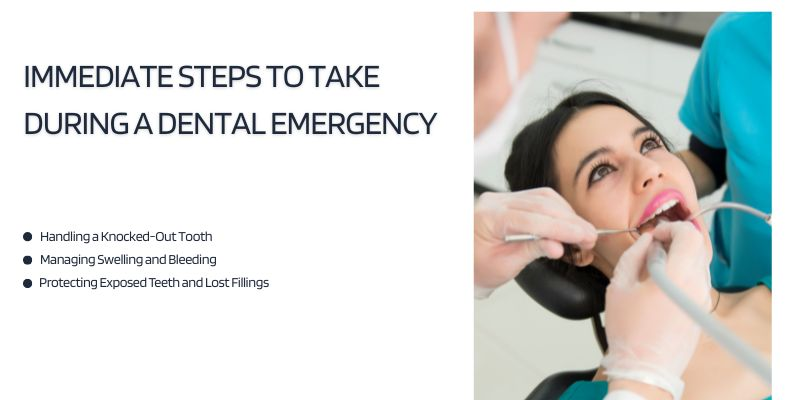
Acting quickly during a dental emergency can save your tooth and prevent serious complications. Managing dental emergencies properly until you reach professional care requires specific techniques for different situations.
Handling a Knocked-Out Tooth
Time is critical when dealing with a knocked-out tooth. You have about one hour to save the tooth if you act fast.
Pick up the tooth by the crown only. Never touch the root part that was in your gums.
Rinse the tooth gently with clean water. Don’t scrub it or remove any tissue pieces that might be attached.
Try to put the tooth back in its socket right away. Make sure it faces the right direction. Don’t force it into place if it won’t go easily.
If you can’t reinsert the tooth, store it properly:
- Place it in a small container of milk
- Use cold water with a pinch of salt if no milk is available
- Products like Save-a-Tooth work well too
Keep the tooth moist at all times. Never let it dry out while you’re heading to the dentist.
Your dentist has the best chance of saving a knocked-out tooth when you get treatment within one hour.
Managing Swelling and Bleeding
Swelling and bleeding need immediate attention to prevent further damage and reduce pain.
For bleeding in your mouth, rinse with warm salt water first. Mix half a teaspoon of salt in eight ounces of water.
Apply pressure to bleeding areas with clean gauze. Hold it firmly for 15 to 20 minutes without peeking.
A cold compress works great for swelling. Place it on the outside of your cheek for 10 to 15 minutes at a time.
Take over-the-counter pain relievers like ibuprofen or acetaminophen. These help with both pain and swelling.
Never put aspirin directly on your gums. It will burn the tissue and make things worse.
If you have severe soft tissue injuries, use a wet tea bag instead of gauze. The tannic acid helps stop bleeding faster.
Protecting Exposed Teeth and Lost Fillings
Exposed teeth and lost fillings leave sensitive areas that need protection until you see your dentist.
For lost fillings, use sugarless gum as a temporary fix. Press it gently into the empty space.
Over-the-counter dental cement works even better than gum for covering exposed areas. You can find it at most pharmacies.
Avoid using regular gum with sugar. It will cause pain and make the problem worse.
If you have sharp edges from a broken tooth, cover them with orthodontic wax. This prevents cuts to your tongue and cheeks.
Keep the area clean by rinsing with warm salt water several times a day. Don’t use alcohol-based mouthwash as it may sting.
Avoid very hot or cold foods and drinks. Stick to room temperature items until you get professional help.
Having a dental first aid kit at home helps you handle these situations better. Include gauze, salt, dental wax, and pain relievers in your kit.
Need help fast? Reach out to our Wilmington, NC emergency dental team and get the immediate attention you need for a range of dental issues.
How Emergency Dentists Diagnose and Treat Dental Emergencies
Emergency dentists use specific examination methods to quickly identify dental problems and provide immediate treatment. They focus on stopping pain and preventing further damage through targeted procedures and medications.
Examination and Diagnosis
When you visit an emergency dentist, they will examine your mouth and ask about your injury and symptoms. This helps them understand what happened and how severe your condition is.
Visual Inspection The dentist looks at your teeth, gums, and mouth tissues. They check for swelling, bleeding, or obvious damage.
X-rays and Imaging Most emergency visits include X-rays to see inside your teeth and jawbone. The dentist may take an X-ray to diagnose the source of pain and suggest treatment options.
Pain Assessment You’ll describe your pain level and type. The dentist tests how your teeth respond to pressure and temperature.
Medical History Review They ask about medications you take and any health conditions. This helps them choose safe treatments for you.
Treatment Options for Common Emergencies
Emergency dentists provide immediate care based on your specific problem. Treatment focuses on stopping pain and saving your teeth when possible.
Severe Toothache For tooth decay or infection, the dentist may prescribe antibiotics and strong pain medication. A root canal might be needed if the tooth’s nerve is damaged.
Knocked-Out Tooth If you bring the tooth quickly, your dentist has the best chance of saving a knocked-out tooth when it’s returned to its socket within one hour. They clean the socket and carefully replace the tooth.
Cracked or Broken Teeth Small cracks get temporary fillings or bonding. Severe breaks may need crowns or tooth extraction if the damage goes below the gum line.
Dental Abscess Gum infection requires immediate drainage and antibiotics. The dentist may need to perform a root canal or tooth extraction depending on the damage.
Pain Relief and Follow-Up Care
Emergency dentists provide immediate pain relief and plan your ongoing care. They make sure you’re comfortable while your mouth heals.
Immediate Pain Management Dentists use local anesthesia during procedures. They can give you medications, such as antibiotics or pain relievers, to alleviate pain and swelling.
Prescription Medications You might receive antibiotics for infections and stronger pain medications than over-the-counter options. Follow the instructions exactly as given.
Temporary Solutions Some treatments are temporary fixes until you can return for permanent care. Temporary crowns or fillings protect damaged teeth.
Follow-Up Appointments Most emergency treatments need follow-up visits. You might need additional procedures like root canal completion or permanent crowns.
Home Care Instructions The dentist gives you specific care instructions. This includes what to eat, how to clean your mouth, and warning signs to watch for.
Regular dental checkups help prevent many emergencies from happening in the first place.
Preventing Dental Emergencies and Maintaining Oral Health
Most dental emergencies can be avoided with good daily habits and regular care. Simple steps like proper brushing, flossing, and wearing protection during sports help keep your teeth and gums healthy.
Importance of Regular Dental Checkups
Regular dental visits help catch problems before they become emergencies. Your dentist can spot early signs of tooth decay, gum disease, and other issues during routine checkups.
Most dentists recommend visits every six months. During these visits, your dentist will clean your teeth and check for problems. They can also take X-rays to see issues you can’t see.
Early detection prevents bigger problems:
- Small cavities can be filled before they cause severe pain
- Gum disease can be treated before it leads to tooth loss
- Cracked teeth can be repaired before they break completely
If you notice bleeding gums, tooth pain, or sensitivity between visits, don’t wait. Call your dentist right away. These symptoms often mean you need treatment before the problem gets worse.
Good Oral Hygiene Practices
Daily oral care is your best defense against dental emergencies. Proper brushing and flossing remove bacteria that cause tooth decay and gum disease.
Daily oral hygiene routine:
- Brush twice daily with fluoride toothpaste
- Floss once daily to remove plaque between teeth
- Use mouthwash to kill bacteria and freshen breath
- Replace your toothbrush every 3-4 months
Bleeding gums are often the first sign of gum disease. If your gums bleed when you brush or floss, this means you need better oral hygiene. Don’t stop flossing if your gums bleed – they should stop bleeding as your gum health improves.
Foods that help your oral health:
- Dairy products strengthen tooth enamel
- Crunchy fruits and vegetables clean teeth naturally
- Water rinses away food particles and bacteria
Avoid sugary and acidic foods that feed harmful bacteria. Limit snacking between meals to give your teeth time to recover.
Using Mouthguards and Safety Tips
Sports injuries cause many dental emergencies. Wearing a mouth guard helps avoid sports-related injury to your teeth and jaw.
When to wear a mouthguard:
- Contact sports like football, hockey, or boxing
- Non-contact sports like basketball or skateboarding
- Any activity where falls or contact might happen
Custom mouthguards from your dentist fit better than store-bought ones. They provide better protection and feel more comfortable.
Other safety tips to prevent dental injuries:
- Don’t chew on ice, hard candy, or pencils
- Never use your teeth as tools to open packages
- Avoid biting your nails or grinding your teeth
- Wear seatbelts to prevent facial injuries in car accidents
If you grind your teeth at night, ask your dentist about a night guard. Teeth grinding can crack or break teeth over time. A night guard protects your teeth while you sleep.
Keep your dentist’s emergency number handy. Many dental offices have after-hours numbers for true emergencies.
Frequently Asked Questions
What steps should I take if I experience a dental emergency during the night?
Call your dentist’s emergency number first. Most dental offices have after-hours emergency contact numbers for urgent situations.
If you can’t reach your dentist, go to the nearest emergency room. The ER staff can give you pain medication and antibiotics to help until morning.
For severe pain, rinse your mouth with warm salt water. Take over-the-counter pain relievers like ibuprofen or acetaminophen as directed on the package.
Apply a cold compress to the outside of your cheek for 15-20 minutes. This helps reduce swelling and numbs the pain temporarily.
How do I handle a dental emergency when I have no insurance or funds?
Look for community health centers that offer sliding scale fees. Many areas have free or low-cost dental clinics for people without insurance.
Contact dental schools in your area. Students often provide supervised care at reduced rates for patients who qualify.
Ask the emergency room about payment plans. Many hospitals offer financial assistance programs for people who cannot afford treatment.
Call 211 for local resources. This service connects you with community programs that help with emergency dental care costs.
What situations are considered a dental emergency requiring immediate attention?
Severe toothache that doesn’t respond to pain medication needs immediate care. This often signals a serious infection or nerve damage.
A knocked-out tooth requires emergency treatment within one hour. Quick action gives you the best chance of saving the tooth.
Facial swelling from a dental abscess is dangerous. The infection can spread to other parts of your body if left untreated.
Heavy bleeding from your mouth that won’t stop needs immediate attention. Apply pressure with gauze while seeking emergency care.
Broken facial bones or jaw injuries require hospital treatment. These injuries can affect breathing and need immediate medical care.
What should I do if I need an urgent tooth extraction outside regular clinic hours?
Go to the hospital emergency room for severe pain or swelling. ER doctors can prescribe antibiotics and strong pain medication until you see a dentist.
Contact dental emergency hotlines in your area. Some cities have 24-hour dental emergency services that handle extractions.
Call oral surgery offices near you. Many oral surgeons have emergency numbers for urgent cases that need immediate extraction.
Take pain medication and use cold compresses while waiting. This helps manage symptoms until you can get professional treatment.
How can I find a dentist for an emergency over the weekend?
Search online for “emergency dentist near me” or “weekend dental care.” Many dental practices advertise weekend emergency services.
Call your regular dentist’s office. Listen to their voicemail message for emergency contact information or on-call dentist numbers.
Contact your local hospital for referrals. Hospital staff often know which dentists provide weekend emergency care in the area.
Check urgent care centers near you. Some urgent care facilities have dentists available for weekend emergencies.
Are there any hospitals that provide emergency dental care services?
Most hospital emergency rooms treat dental emergencies. They focus on pain management, infection control, and stopping bleeding rather than dental repairs.
Some larger hospitals have dental departments with emergency services. These facilities can handle more complex dental procedures during emergencies.
University medical centers often provide comprehensive dental emergency care. They typically have dental residents available for after-hours emergencies.
Emergency rooms can prescribe antibiotics and pain medication for dental infections. However, you’ll still need to see a dentist for definitive treatment.
Call ahead to ask about dental services. Not all hospitals have the equipment or staff to handle certain dental emergencies.