

Your smile plays a big role in how you feel about yourself and how others see you. If you have chipped teeth, stains, or gaps that make you feel self-conscious, you’re not alone. Many people want to improve their smile but don’t know what options are available.
Cosmetic dentistry focuses on enhancing the appearance of your smile through treatments like teeth whitening, dental bonding, and veneers.
These procedures can fix many common problems that affect how your teeth look. Some treatments are simple and quick, while others take more time and planning.
The good news is that cosmetic dentistry has many options to fit different needs and budgets. You can choose from basic treatments like whitening to more complex procedures like implants.
Understanding what each treatment does will help you make the best choice for your smile goals.
Key Takeaways
- Cosmetic dentistry offers many treatments to improve your smile’s appearance, from simple whitening to complex procedures
- Popular options include teeth whitening, veneers, bonding, and implants that can fix chips, stains, gaps, and missing teeth
- Results can last from months to years depending on the treatment you choose and how well you care for your teeth
Overview of Cosmetic Dentistry Procedures

Cosmetic dentistry procedures start with choosing the right treatment for your smile goals, then your cosmetic dentist creates a step-by-step plan to get you there.
How Cosmetic Procedures Are Selected
Your cosmetic dentist will look at several things to pick the best treatment for you. They check your teeth, gums, and bite first.
Your main concerns matter most. Do you want whiter teeth? Need to fix chips or cracks? Want to close gaps between teeth?
Your dentist considers these factors:
- Budget– Some treatments cost more than others
- Time– How quickly you want results
- Tooth health– Damaged teeth may need different options
- Lifestyle– How much care you can give your new smile
The dentist will also check your oral hygiene habits. Good brushing and flossing help treatments last longer.
Some people need just one procedure. Others benefit from combining treatments like whitening with dental bonding or veneers.
Steps in Your Treatment Plan
Your treatment plan follows a clear path from start to finish. Most plans have these basic steps.
Step 1: Consultation and exam Your dentist takes photos and X-rays of your teeth. You discuss what you want to change about your smile.
Step 2: Treatment design The dentist explains which procedures will work best. They show you before and after photos of similar cases.
Step 3: Preparation Some treatments need prep work first. You might need a cleaning or small repairs to damaged teeth.
Step 4: Treatment This is when you get your actual procedure done. Simple treatments take one visit. Complex cases need several appointments.
Step 5: Follow-up care Your dentist checks how you’re healing. They give you tips to keep your new smile looking great.
Ready to transform your smile with cosmetic dentistry? Book a consultation with our Wilmington, NC specialists today and explore the perfect treatment for your needs.
Teeth Whitening and Smile Enhancement
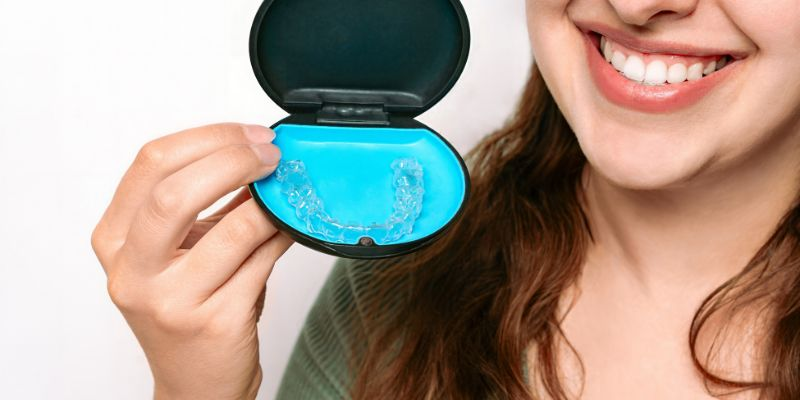
Professional treatments offer faster and more dramatic results than at-home methods, while proper oral hygiene helps maintain your bright smile long-term. The right whitening approach depends on your budget, timeline, and sensitivity level.
Professional Teeth Whitening vs. At-Home Options
Professional teeth whitening delivers the most powerful results in the shortest time. Your dentist uses stronger bleaching agents that can lighten teeth by several shades in just one visit.
Laser teeth whitening treatments provide quick results with minimal sensitivity. The focused light energy makes the whitening gel work faster and more effectively.
Professional Benefits:
- Stronger whitening agents
- Faster results (1-2 visits)
- Custom-fitted trays
- Professional monitoring
At-home options include whitening toothpaste, strips, and custom trays from your dentist. These methods take longer but cost less than office treatments.
Store-bought strips and gels contain weaker bleaching agents. They require daily use for 2-3 weeks to see noticeable changes.
At-Home Benefits:
- Lower cost
- Convenience
- Gradual whitening
- Multiple product choices
Custom take-home trays from your dentist offer the best balance. They fit your teeth perfectly and use stronger gel than store products.
Benefits and Considerations of Teeth Whitening
Teeth whitening removes stains and discoloration to make your smile look brighter and more youthful. This boost in appearance often improves self-esteem and confidence in social and work situations.
Main Benefits:
- Brighter, whiter smile
- Increased self-confidence
- Younger appearance
- Better first impressions
Your oral hygiene routine affects how long results last. Regular brushing, flossing, and avoiding staining foods help maintain your bright smile.
Some people experience tooth sensitivity during treatment. This usually goes away within a few days after finishing the whitening process.
Important Considerations:
- Temporary sensitivity possible
- Results vary by person
- Not permanent (6 months to 2 years)
- May not work on all stains
Crowns, veneers, and fillings don’t whiten like natural teeth. You might need to replace these restorations after whitening to match your new shade.
Enhance your smile today! Book an appointment with our Wilmington, NC cosmetic dentists and discover the benefits of treatments like veneers and whitening.
Restorative and Corrective Cosmetic Procedures
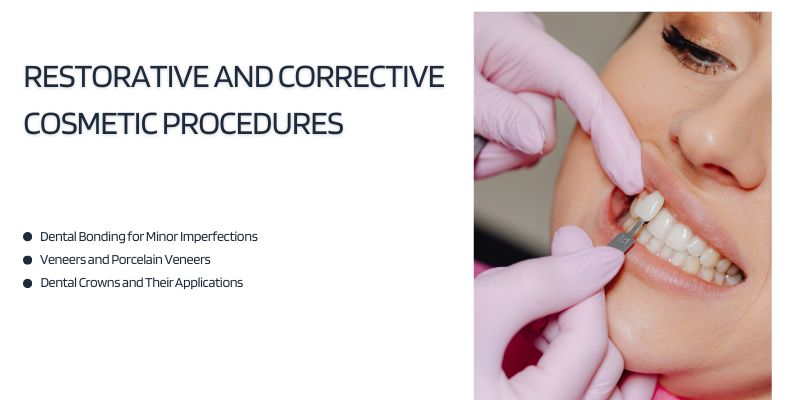
These procedures fix damaged teeth while making your smile look better. They work on cracked teeth, chips, stains, and worn-down surfaces using materials that match your natural teeth.
Dental Bonding for Minor Imperfections
Dental bonding involves applying a tooth-colored composite resin material to change the shape, size or color of your teeth. Your dentist puts this plastic material on your tooth and shapes it to fix small problems.
This treatment works well for chips, cracks, and gaps between teeth. It also covers stains that don’t go away with whitening. The whole process takes about 30 to 60 minutes per tooth.
Benefits of dental bonding:
- No shots needed in most cases
- Takes one visit to complete
- Costs less than veneers or crowns
- Can be reversed if needed
Dental bonding requires zero downtime. You can eat and drink right after your appointment. The bonding material typically lasts between three and 10 years before needing touch-ups.
You should avoid biting your nails or chewing on hard objects. These habits can chip the bonding material and make it last less time.
Veneers and Porcelain Veneers
Dental veneers are custom-made shells that fit over the front surfaces of your teeth. They hide bigger problems that bonding can’t fix well. Porcelain veneers are the most popular type because they look very natural.
Your dentist removes a thin layer of tooth enamel first. Then they take impressions to make your custom veneers. You wear temporary veneers while the lab makes your permanent ones.
Veneers can fix:
- Severe stains and discoloration
- Worn-down or chipped teeth
- Uneven or misshapen teeth
- Large gaps between teeth
Porcelain veneers last 10 to 15 years with good care. They resist stains better than your natural teeth. You need to brush and floss normally and avoid biting hard objects.
The process takes two to three visits to complete. Veneers cost more than bonding but less than crowns in most cases.
Dental Crowns and Their Applications
A dental crown is a tooth-shaped “cap” that is placed over a tooth to cover the tooth to restore its shape and size, strength, and improve its appearance. Crowns work best when your tooth has major damage that veneers can’t handle.
Your dentist shapes your natural tooth to make room for the crown. They take impressions and place a temporary crown while your permanent one is made. The permanent crown gets cemented over your prepared tooth.
Common uses for dental crowns:
- Cracked teeth that go deep into the tooth
- Large fillings that keep breaking
- Teeth worn down from grinding
- Root canal treated teeth
Crowns can be made from different materials. Porcelain crowns look the most natural for front teeth. Metal crowns last longer but show more on back teeth.
Most crowns last 15 to 20 years with proper care. You brush and floss around them like normal teeth. Hard foods and ice can crack crowns just like real teeth.
Advanced Treatments: Implants, Contouring, and Gum Sculpting
These advanced cosmetic procedures target specific issues like missing teeth, uneven tooth surfaces, and irregular gum lines. Each treatment reshapes different parts of your smile to create better balance and function.
Dental Implants for Missing Teeth
Dental implants replace missing teeth with artificial roots made of titanium. The implant goes into your jawbone where your natural tooth root used to be.
A crown attaches to the top of the implant. This creates a tooth that looks and feels natural.
Benefits of dental implants:
- Permanent solution for missing teeth
- Preserve jawbone structure
- Don’t affect neighboring teeth
- Easy to clean like regular teeth
The process takes several months. First, your dentist places the implant in your jawbone. You wait 3-6 months for the bone to grow around the implant.
Once healed, your dentist attaches the crown. Dental implants can fill gaps between teeth and restore your ability to chew properly.
Tooth Contouring and Reshaping
Tooth contouring removes small amounts of enamel to change the shape of your teeth. This procedure fixes minor problems with crooked teeth or uneven edges.
Your dentist uses special tools to file and polish your teeth. They can make pointed teeth more rounded or fix small chips.
Common issues tooth contouring fixes:
- Slightly crooked teeth
- Uneven tooth lengths
- Small chips or rough spots
- Minor overlapping
The treatment happens in one visit. Your dentist removes tiny amounts of enamel and smooths the surface. This creates better alignment and a more even smile line.
Tooth contouring works best for small changes. Severely misaligned teeth may need other treatments like braces or veneers.
Gum Contouring for a Balanced Smile
Gum contouring removes excess tissue and reshapes your gum line. This procedure treats uneven gums or “gummy smiles” where too much gum shows when you smile.
Your dentist uses a laser or scalpel to trim away extra gum tissue. They create a more balanced look between your teeth and gums.
The gum contouring process:
- Local numbing medicine keeps you comfortable
- Dentist marks your new gum line
- Excess tissue gets removed
- Remaining gums get reshaped for balance
Gum contouring surgery takes one to two hours depending on how many teeth need treatment. You may have mild soreness afterward that goes away with pain medicine.
This treatment helps when your gums make your teeth look too small or uneven. The results create better proportions in your smile.
Maximizing Results and Long-Term Care
Your cosmetic dentistry investment requires proper care to maintain its beauty and function for years to come. Following specific oral hygiene practices and embracing your transformation will help you get the most from your new smile.
Maintaining Oral Health After Cosmetic Procedures
Your daily oral hygiene routine becomes even more important after cosmetic treatments. Brush twice daily with a soft-bristled toothbrush and fluoride toothpaste.
Floss gently around veneers, crowns, or bonded areas. Use a non-abrasive toothpaste to protect porcelain surfaces from scratching.
Key maintenance tips:
- Visit your dentist every six months for cleanings
- Avoid biting hard objects like ice or pens
- Wear a night guard if you grind your teeth
- Limit staining foods and drinks like coffee or red wine
Composite bonding material can stain more easily than porcelain veneers. Rinse with water after consuming dark beverages.
Your oral health affects how long your cosmetic work lasts. Gum disease or decay can compromise veneers or crowns. Regular dental checkups catch problems early.
Building Confidence With Your New Smile
Your improved smile can boost your self-esteem and confidence in social and professional situations. Many people feel more comfortable speaking, laughing, and smiling after cosmetic dental work.
Practice good posture and make eye contact when speaking. Your new smile is meant to be seen and shared with others.
Ways to embrace your transformation:
- Take updated photos for social media or professional profiles
- Smile more often in conversations
- Speak clearly without covering your mouth
- Maintain the results through proper care
The psychological benefits of cosmetic dentistry often extend beyond appearance. You may feel more willing to participate in social activities or professional opportunities.
Remember that your confidence comes from within. Your new smile simply helps you express the person you already are.
Frequently Asked Questions
What options are available for improving my smile through cosmetic dentistry?
You have several cosmetic dentistry options to enhance your smile. Teeth whitening removes stains and discoloration from coffee, tea, or smoking.
Dental bonding uses tooth-colored resin to fix chips, cracks, or gaps between teeth. This procedure can usually be done in one visit.
Veneers are thin shells that cover the front of your teeth to change their color or shape. They work well for permanently stained or slightly crooked teeth.
Crowns completely cover damaged teeth to restore their normal appearance. You might need a crown to cover a misshapen tooth or protect a weak one.
Braces help straighten crooked or crowded teeth. Clear aligners offer an alternative that you can remove while eating and brushing.
Dental implants replace missing teeth with artificial ones that look and feel natural. They require surgery but provide a long-term solution.
How does teeth whitening work and is it safe?
Teeth whitening uses a chemical process to bleach your teeth and remove stains. Your dentist can whiten your teeth in the office or give you a system to use at home.
In-office whitening takes one or more visits of 1 to 2 hours each. Home whitening uses custom trays made by your dentist and takes 2 to 4 weeks.
The treatment is safe when done properly. Your dentist creates a custom mouthpiece to make sure the right amount of whitening solution reaches your teeth.
Your teeth can become stained again if you keep drinking coffee or tea. You still need to brush twice daily and floss to keep your teeth healthy after whitening.
Can you describe the different types of veneers and their benefits?
Veneers are custom shells that cover the front of your teeth. Most veneers are made of porcelain, though some use plastic materials.
Porcelain veneers last longer than other types and look more natural. They resist stains better than bonding materials.
Veneers can fix teeth with spaces between them, chips, permanent stains, or poor shapes. They also help with slightly crooked teeth.
Your dentist takes an impression of your tooth and buffs it before cementing the veneer in place. Porcelain veneers need two visits since they are made in a lab.
Veneers provide a superior appearance compared to bonding. They can completely change the color and shape of your teeth for a dramatic smile improvement.
What are expected costs for common cosmetic dental treatments?
Cosmetic dental procedures vary widely in cost depending on the treatment and your location. Teeth whitening is usually the most affordable option.
Bonding costs less than veneers but may need replacement sooner. Veneers cost more upfront but last longer than bonding materials.
Crowns are expensive procedures that dentists usually suggest only when other treatments won’t work. The cost depends on the material used – metal, porcelain, or ceramic.
Implants require the most expensive procedure but provide a long-term solution. The process involves surgery and multiple visits over several months.
Most insurance plans don’t cover cosmetic procedures. Ask your dentist about payment plans or financing options if cost is a concern.
What should I expect during a cosmetic dental consultation?
Your dentist will examine your teeth and gums during your first visit. They will discuss your goals and what bothers you about your current smile.
The dentist will explain which treatments might work best for your situation. They will also discuss the risks and benefits of each option.
You should ask about your dentist’s experience with the procedure you want. Find out if any special care will be needed after treatment.
Your dentist may take X-rays or impressions of your teeth. This helps them plan your treatment and show you what results to expect.
Make sure you understand the total cost and timeline before starting treatment. Ask if you need multiple visits or follow-up appointments.
How long do the results of cosmetic dental procedures typically last?
The lifespan of cosmetic dental work depends on the type of treatment you choose. Bonding materials are more likely to chip or stain and may last several years.
Veneers last longer than bonding and can stay beautiful for many years with proper care. Porcelain veneers resist staining better than other materials.
Permanent crowns can have a long life if you take good care of them. Regular brushing and flossing help protect your investment.
Teeth whitening results fade over time, especially if you drink coffee or tea. You may need touch-up treatments every few years.
Implants can last decades with good oral hygiene. Braces create permanent changes, but you need to wear a retainer to keep teeth in their new positions.