

Getting a tooth pulled can feel scary, but knowing what happens during healing helps you feel more prepared. Your mouth goes through several clear stages as it recovers from the procedure.
The healing process takes about 7 days for the hole to close after a simple extraction, though complete bone healing can take several months. The initial 24 hours after extraction are crucial because your body starts forming a blood clot to protect the area.
You’ll need to be extra careful during the first week or two to avoid problems like infection or dry socket. Understanding each stage of healing helps you know what’s normal and when to call your dentist if something doesn’t seem right.
Key Takeaways
- Your mouth heals in stages over several weeks, with the first 24 hours being the most important for clot formation
- Simple extractions typically take about a week for the hole to close, while complete healing takes several months
- Following proper aftercare instructions prevents complications and ensures your mouth heals properly
What to Expect Immediately After Tooth Extraction

The first 24-48 hours after tooth extraction involve blood clot formation, pain management, and careful oral care. Your body begins healing right away, but following proper aftercare steps helps prevent complications.
Blood Clot Formation and Its Importance
A blood clot will form in your tooth socket within the first day after extraction. This clot acts like a natural bandage that stops bleeding and protects the wound.
Blood clot formation is crucial for proper healing. Without it, you could develop dry socket, a painful condition.
The clot looks dark red or brownish. You might taste some blood for the first few hours, which is normal.
What helps blood clot formation:
- Biting down on gauze for 30-45 minutes
- Keeping your head elevated
- Avoiding spitting or rinsing
What harms blood clots:
- Using straws (suction can dislodge the clot)
- Smoking or vaping
- Touching the area with your tongue
- Vigorous rinsing
You should avoid using straws for one week after extraction. The suction movement can pull the clot out of the socket.
Managing Pain and Swelling
You’ll likely have swelling and mild discomfort for 3 days. Pain peaks within the first 6-8 hours after the numbing medicine wears off.
For the first 24 hours:
- Apply ice packs for 20 minutes on, 20 minutes off
- Take pain medicine as prescribed by your dentist
- Keep your head elevated when lying down
Apply ice to your jaw for 30 minutes, remove it for 15 minutes, then repeat. This helps reduce swelling.
After 24 hours, switch to warm compresses. Heat helps increase blood flow and speeds healing.
Normal symptoms include:
- Mild to moderate pain
- Some bleeding for 24 hours
- Swelling that peaks on day 2-3
- Difficulty opening your mouth fully
Call your dentist if pain gets worse after day 3 or if bleeding won’t stop.
Early Oral Care and Precautions
Your oral hygiene routine needs changes for the first few days. Gentle care prevents infection while protecting the healing socket.
First 24 hours:
- Don’t rinse your mouth at all
- Don’t brush near the extraction site
- Eat only soft, cold foods
- Drink plenty of water
After 24 hours, you can rinse with saltwater to remove food particles. Mix half a teaspoon of salt with 8 ounces of warm water.
Saline rinses help keep the area clean without being too harsh. Gently swish the solution and let it fall out of your mouth instead of spitting forcefully.
Foods to eat:
- Yogurt and pudding
- Smoothies (no straw)
- Mashed potatoes
- Ice cream
Foods to avoid:
- Hot liquids
- Crunchy or hard foods
- Spicy foods
- Alcohol
Brush your other teeth normally but stay away from the extraction site for at least 24 hours.
Need help with your tooth extraction recovery? Schedule your appointment with our Wilmington, NC team today for expert care and personalized healing advice.
Key Healing Stages After Tooth Extraction
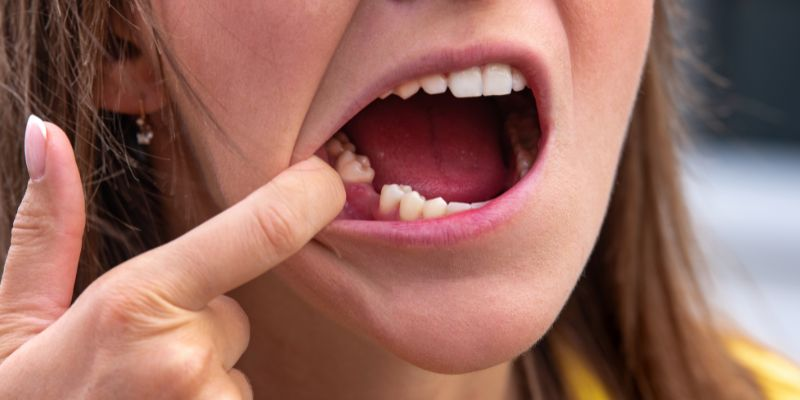
Your mouth goes through four main healing stages after tooth extraction. The process starts with blood clot formation on the first day and continues through complete tissue recovery over several weeks.
The First 24 Hours
The most critical healing stage happens right after your tooth extraction. Your body immediately starts forming a protective blood clot in the empty socket.
This blood clot acts like a natural bandage. It covers the exposed bone and nerve endings to prevent pain and infection.
What to expect during this stage:
- Active bleeding for 30-60 minutes
- Blood clot formation within 2-4 hours
- Mild to moderate pain
- Some facial swelling
You need to protect this blood clot at all costs. Avoid spitting, rinsing, or using straws during the first 24 hours. These actions can dislodge the clot and cause dry socket complications.
Keep gauze pressed firmly over the extraction site. Change it every 30 minutes until bleeding stops completely.
Days 2-3: Reducing Swelling and Initial Recovery
Your healing timeline shifts focus to managing swelling and early tissue repair. The blood clot becomes more stable during this stage.
Swelling usually peaks around day 2 or 3. This is completely normal and shows your body is healing properly.
Pain management becomes easier:
- Switch from ice packs to warm compresses
- Take pain medication as prescribed
- Stick to soft foods only
Managing swelling and pain requires consistent care. Sleep with your head elevated to reduce fluid buildup.
You can gently rinse with warm salt water starting day 2. Mix half a teaspoon of salt in warm water and swish very carefully.
Days 4-7: Granulation Tissue Development
Granulation tissue starts forming during this healing stage. This pink, bumpy tissue grows over the blood clot to protect the extraction site.
The granulation tissue might look concerning, but it’s a healthy sign. It shows your tooth extraction healing process is moving forward normally.
Key changes during this week:
- Less pain and swelling
- Granulation tissue appears red or pink
- You can eat slightly firmer foods
- Risk of dry socket decreases significantly
Your energy levels should return to normal. Most people can go back to work or school during this stage.
Keep the area clean but be gentle. Brush your other teeth normally but avoid the extraction site completely.
Weeks 2-4: Soft Tissue and Bone Recovery
The final major healing stage focuses on complete tissue repair. Your gums start growing over the extraction site during this period.
Soft tissue healing takes about one month for most people. The bone underneath continues healing for several more months.
What happens during weeks 2-4:
- Gum tissue grows to cover the socket
- Granulation tissue matures and strengthens
- You can return to normal eating habits
- The extraction site becomes less noticeable
Most discomfort should be gone by week 2. If you still have significant pain, contact your dentist right away.
You can resume normal oral hygiene routines. Brush and floss carefully around the healing area to prevent infection.
Don’t let recovery slow you down. Book your consultation with our Wilmington, NC specialists today and get personalized care for a smooth and speedy healing process.
Types of Tooth Extractions and Their Impact on Healing
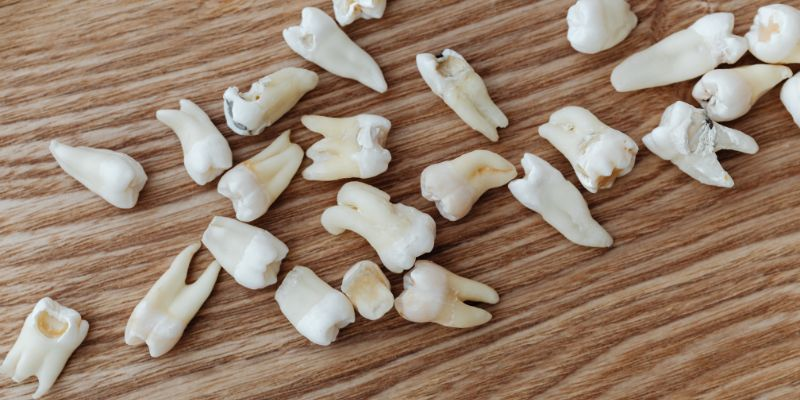
Different types of tooth extractions require different healing times and care approaches. Simple extractions heal faster than surgical procedures, while impacted teeth need more recovery time.
Simple Extraction Recovery
Simple extractions involve removing teeth that are visible above your gum line. Your dentist uses basic tools to loosen and pull out the tooth.
This type of extraction creates the least trauma to your surrounding tissues. You can expect minimal swelling and discomfort compared to other procedures.
Most people recover from simple extractions within 48 to 72 hours. You’ll likely return to normal activities quickly.
The initial healing period takes about one to two weeks. Your gums will close over the socket during this time.
What to expect during recovery:
- Light bleeding for 24 hours
- Mild swelling for 2-3 days
- Soft diet for the first week
- Return to work within 1-2 days
Simple extractions rarely cause complications. The empty socket heals naturally without special procedures in most cases.
Surgical Extraction and Impacted Wisdom Teeth
Surgical extractions are more complex procedures. They involve removing teeth that haven’t fully emerged or are broken below the gum line.
Impacted wisdom teeth are the most common type requiring surgical extraction. These teeth don’t have enough room to grow properly.
Your dentist makes an incision in your gum tissue. They may need to remove bone or cut the tooth into pieces for removal.
Recovery takes longer than simple extractions:
- Swelling peaks at 48-72 hours
- Pain lasts 3-5 days
- Complete healing takes 2-4 weeks
- Stitches dissolve in 7-10 days
You’ll need to avoid heavy lifting and exercise for several days. Strenuous activity can cause more bleeding and pain.
Surgical sites are more prone to complications like dry socket. Follow your dentist’s instructions carefully to prevent problems.
Special Considerations for Multiple Tooth Extractions
Multiple tooth extractions involve removing several teeth in one appointment. This approach saves time but requires extended healing.
Your mouth experiences more trauma when multiple teeth are removed. Expect increased swelling, bleeding, and discomfort.
Recovery timeline for multiple extractions:
- First 3 days: Peak swelling and pain
- First week: Soft foods only
- 2-3 weeks: Gums begin closing
- 1-2 months: Most healing complete
You may need prescription pain medication instead of over-the-counter options. Your dentist might also prescribe antibiotics to prevent infection.
Eating becomes more challenging with multiple extraction sites. Stock up on nutritious soft foods like yogurt, smoothies, and soup.
Some people need partial or complete dentures after multiple extractions. Your dentist will discuss replacement options during your consultation.
Take extra time off work if you have multiple teeth removed. Most people need 3-5 days to feel comfortable returning to normal activities.
Preventing Complications and Ensuring Healthy Healing
The first few days after tooth extraction are critical for proper healing. Avoiding dry socket and recognizing early signs of infection can save you from serious pain and delayed recovery.
Avoiding Dry Socket
Dry socket happens when the blood clot in your tooth socket gets dislodged or never forms properly. This leaves the bone and nerves exposed, causing severe pain.
Don’t smoke or use tobacco products. Smoking is the biggest risk factor for dry socket. The sucking motion and chemicals can pull out the blood clot.
Skip the straws for at least a week. Straws create suction that can dislodge the protective clot in your socket.
Avoid spitting forcefully. Don’t rinse or spit hard for 24 hours after extraction to keep the clot in place.
Stay away from carbonated drinks. The bubbles and pressure can disturb the healing area. Stick to room temperature water instead.
Be gentle when brushing. Avoid brushing the teeth next to the extraction site for the first 24 hours. After that, brush very carefully around the area.
Signs of Infection
Watch for these warning signs that could mean your extraction site is infected:
- Severe painthat gets worse after 2-3 days instead of better
- Swellingthat increases or doesn’t go down after 48 hours
- Feverabove 101°F (38.3°C)
- Bad tastein your mouth that won’t go away
- Pusor thick discharge from the socket
- Red streakson your face or neck
Infections can spread quickly and become dangerous. Your body needs the blood clot to heal properly and fight off bacteria.
Keep the area clean but don’t overdo it. Gentle salt water rinses after 24 hours can help remove food particles without disturbing healing.
When to Contact Your Dentist
Call your dentist right away if you experience any of these situations:
Severe pain that pain medication can’t control. This often means dry socket or infection has developed.
Heavy bleeding that doesn’t stop after 2-3 hours of applying pressure with gauze.
Signs of infection like fever, swelling that gets worse, or pus coming from the socket.
The extraction site looks empty with white bone visible at the bottom. This is a clear sign of dry socket.
Numbness in your lip, tongue, or chin that lasts more than 4-6 hours after surgery.
Don’t wait and hope problems will fix themselves. Quick treatment can prevent minor issues from becoming serious complications that take weeks to heal.
Take control of your healing journey. Schedule an appointment with our Wilmington, NC team today and ensure the best care for your tooth extraction recovery.
Long-Term Recovery and Oral Health After Tooth Extraction
Proper oral hygiene habits and eating choices play key roles in your healing journey beyond the first few weeks. These practices help prevent complications and keep your mouth healthy for months to come.
Returning to Regular Oral Hygiene
You can start brushing most of your teeth normally within 24 hours after extraction. However, you need to be extra gentle around the extraction site for the first week.
Week 1-2 Guidelines:
- Brush all teeth except those directly next to the extraction site
- Use a soft-bristled toothbrush only
- Rinse gently with salt water or prescribed mouthwash
- Avoid vigorous spitting or swishing
After two weeks, soft tissues usually heal enough for normal brushing. You can carefully clean around the extraction area with gentle circular motions.
Important cleaning tips:
- Replace your toothbrush after the first week to avoid bacteria buildup
- Use antimicrobial mouthwash as directed by your dentist
- Floss other teeth normally but avoid the extraction site until cleared
Your oral health depends on keeping the area clean without disrupting the healing process. Most people can return to full oral hygiene routines within 2-3 weeks.
Diet and Lifestyle for Continued Healing
Your eating habits directly affect how well your mouth heals over the long term. Bone healing can take up to six months after extraction.
Foods that help healing:
- Protein-rich options:eggs, fish, lean meats, beans
- Vitamin C sources:oranges, strawberries, bell peppers
- Calcium foods:yogurt, cheese, leafy greens
- Soft textures:mashed vegetables, smoothies, soups
Avoid hard, crunchy, or sticky foods for at least two weeks. These can damage the healing tissue or get stuck in the extraction site.
Lifestyle factors for better healing:
- Stay hydrated with plenty of water
- Avoid smoking and alcohol completely
- Get adequate sleep to support tissue repair
- Take prescribed medications as directed
Your healing journey continues even after you feel normal. Following these guidelines helps ensure your extraction site heals properly and your oral health stays strong.
Frequently Asked Questions
What are the typical healing stages after a tooth extraction?
Your mouth goes through five main healing stages after a tooth extraction. First, bleeding starts right after your tooth comes out.
A blood clot forms within the first few hours. This clot protects your jawbone and nerves from getting infected.
The blood clot starts to blend with the tissue around it over the next few days. You might notice a whitish appearance in the area, which is normal and not a sign of infection.
New tissue begins to fill your empty tooth socket. You’ll see a small dent in your gums during this stage.
Your gums heal completely, and the new tissue looks healthy and pink. For large teeth like molars, your jaw could take up to four months to fully heal.
Can you provide a day-by-day guide to the tooth extraction healing process?
Day one involves the most bleeding and discomfort. Your blood clot forms during the first 24 hours.
Days two and three show less bleeding and swelling. The blood clot becomes more stable and integrated with your gum tissue.
Days four through seven bring noticeable improvement. Your pain should decrease, and eating becomes easier.
Week two shows continued tissue growth. The extraction site looks less raw and starts filling in with new tissue.
Weeks three through six involve ongoing bone healing underneath your gums. You can usually return to normal eating habits.
Months two through four complete the healing process for larger extractions. Your jawbone finishes rebuilding itself completely.
What should I avoid doing to ensure proper healing after my tooth has been extracted?
Don’t use straws for drinking because the suction can disrupt your blood clot and cause dry socket. Avoid smoking or vaping since these activities reduce blood flow to your healing tissues.
Skip vigorous rinsing or spitting for the first few days. Gentle motions prevent you from dislodging stitches or protective blood clots.
Don’t do strenuous activities or lift anything over 10 pounds for 48 to 72 hours. High heart rate can cause more pain and bleeding.
Avoid poking the extraction site with your tongue or fingers. This disrupts the healing process and can introduce bacteria.
Don’t eat hard, crunchy, or spicy foods for the first week. These can irritate your extraction site and cause pain.
Is it normal to see white stuff in the extraction site during the healing period?
Yes, seeing white material in your extraction site is completely normal during healing. The whitish appearance happens when your blood clot integrates with surrounding tissue.
This white tissue is new healing material, not an infection. It’s part of your body’s natural repair process.
The white color usually appears between days three and seven after your extraction. It gradually changes to pink as your gums heal completely.
You should worry if the white area has a foul smell, severe pain, or discharge. These signs might indicate an infection that needs treatment.
How should I care for the extraction site during the first night after the procedure?
Keep your head elevated while sleeping to reduce bleeding and swelling. Use an extra pillow to prop yourself up.
Apply gentle pressure with clean gauze if you notice bleeding. Change the gauze every 30 to 45 minutes as needed.
Take your prescribed pain medication before the local anesthesia wears off. This prevents severe pain from starting.
Don’t rinse your mouth or brush near the extraction site for the first 24 hours. This protects your newly formed blood clot.
Apply ice packs to your cheek for 15 minutes on and 15 minutes off. This helps prevent swelling after surgery.
Eat only soft, cool foods like yogurt, applesauce, or ice cream. Avoid anything hot, spicy, or hard to chew.
How long should I expect pain to last once I’ve had a tooth removed?
Most people feel significant improvement within 48 to 72 hours after extraction. You can typically return to routine activities within this timeframe.
Pain usually peaks on the first day and gradually decreases each day after. By day three or four, you should need less pain medication.
Simple extractions cause less discomfort than surgical extractions. Wisdom teeth removal often involves more pain that lasts longer.
If pain begins or worsens 1 to 3 days after extraction, you might have a dry socket. This complication requires professional treatment.
Contact your dentist if pain increases after the third day or doesn’t improve with medication. Severe or worsening pain can signal complications.