

Diamonds and gems on teeth have become a popular way to add sparkle to your smile. You might have seen celebrities showing off their gem-covered grins and wondered what the process actually involves.
The diamond teeth procedure is a cosmetic dental procedure where a dentist bonds small jewels directly to your tooth enamel using special dental adhesive.
The process is simpler than you might think. A dentist cleans your tooth surface and applies a bonding agent to secure the gem.
When done by a professional dentist, they look at your whole mouth to make sure the gem placement is safe for your teeth and gums.
Tooth piercing and gem placement has been around for decades and continues to grow in popularity.
Understanding what happens during the procedure and how to care for your gem-adorned teeth can help you decide if this trend is right for you.
Key Takeaways
- A dentist bonds gems to your teeth using dental adhesive in a process that takes about 30 minutes
- Professional application by a dentist is much safer than DIY methods and reduces risks to your oral health
- Proper aftercare and regular dental checkups help your tooth gems last longer and keep your teeth healthy
Table of Content
- Clinical Process of Gem-Embedded Teeth
- Materials and Gemstone Choices
- Hygiene, Safety, and Aftercare
- Cultural and Historical Significance
- Modern Variations and Related Body Modifications
- Frequently Asked Questions
Clinical Process of Gem-Embedded Teeth
Getting gemstones permanently attached to your teeth involves multiple clinical steps that require precision and expertise.
The process includes examining your dental health, carefully preparing the tooth surface, and selecting the right technique to secure the gem in place.
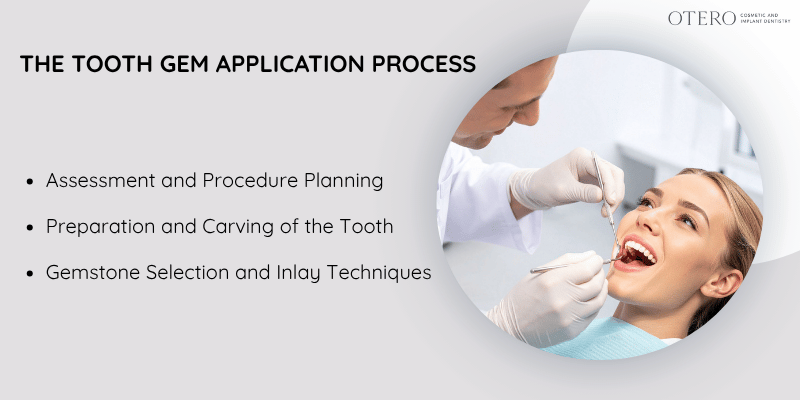
Assessment and Procedure Planning
Your dentist will start by examining your overall dental health before placing any gems.
They look at the specific tooth where you want the gem and check for cavities, cracks, or other problems that could affect the procedure.
A dentist will evaluate you as a whole patient, not just the single tooth. This matters because existing dental issues need treatment first.
Your bite pattern also gets checked since it affects how long the gem will last.
The planning phase covers which type of attachment method works best for your goals. Surface-bonded gems differ from inlays that require more tooth preparation.
Your dentist discusses options like diamonds, sapphires, or other gemstones based on what you want and what your teeth can support safely.
Preparation and Carving of the Tooth
For surface-bonded gems, your dentist cleans and slightly etches the tooth enamel to help adhesive stick better.
Placement of gems on tooth surfaces may require some enamel removal, which is the protective outer layer.
Inlay techniques need more preparation. Your dentist creates a small depression for cavity restoration. In the tooth to hold the gem.
This involves careful carving with dental tools to make a space that fits your chosen gemstone exactly.
The depth and shape depend on the gem size and type. Sapphires and emeralds might need different preparation than diamonds.
Each cut must be precise so the gem sits flush with your tooth surface and doesn’t create rough edges that irritate your mouth.
Gemstone Selection and Inlay Techniques
You can choose from various gemstones including diamonds, sapphires, emeralds, and crystals. Real diamonds can be applied to tooth surfaces along with other precious stones.
Common attachment methods include:
- Dental adhesive bonding – Uses composite resin similar to filling material
- Inlay placement – Gem sits in a carved space within the tooth
- Crown integration – Gem embedded into a dental crown
The inlay technique provides the most permanent results. Your dentist places the gemstone into the prepared space and secures it with dental cement or composite material.
The area gets shaped and polished so everything feels smooth.
This isn’t the same as dermal piercing used for body jewelry. Tooth gems attach to enamel rather than going through tissue.
Working with trained dental professionals ensures better outcomes than visiting a professional piercer who lacks dental training.
Materials and Gemstone Choices
Professional tooth gems come in several material options, from lead-free crystals to precious stones like diamonds and sapphires.
The materials you choose affect both the appearance and longevity of your dental jewelry.
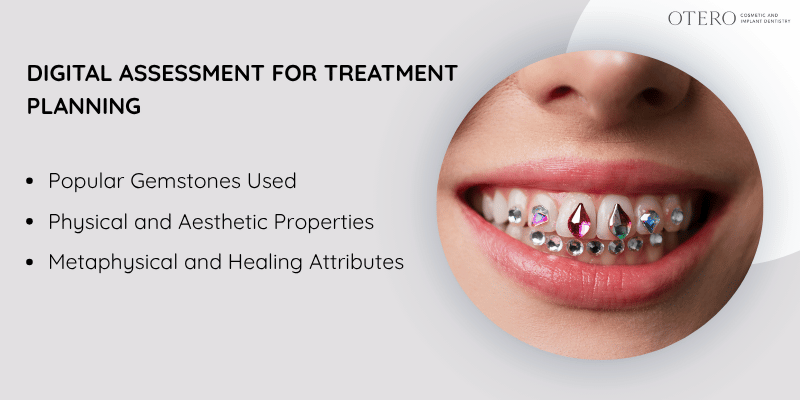
Popular Gemstones Used
Professional tooth gems are made of lead-free crystals, solid gold, or genuine diamonds. The most common option is Swarovski crystals, which are specially cut and polished glass without any lead content.
These crystals have a thin foil backing made from platinum or aluminum that creates their signature sparkle.
If you want something more luxurious, you can choose real diamonds. Unlike flat-backed crystals, diamonds typically have a pointed base that maximizes light refraction.
To attach them safely to your tooth, they need special modification or placement in a small flat-backed gold bezel.
Gold tooth charms come in 18-karat to 24-karat options. White gold is also available.
You should avoid 10k and 14k gold because they contain more base metals like copper or nickel that can oxidize in your mouth and cause dark rings around the tooth.
Sapphires and emeralds are less common but available for those seeking unique colored gemstones. These precious stones follow the same attachment principles as diamonds.
Physical and Aesthetic Properties
The sparkle and durability of your tooth gem depend heavily on its material composition. Lead-free Swarovski crystals offer excellent light reflection through their faceted cuts and metallic backing.
They typically last 6 months to 2 years with proper care.
Real diamonds provide superior brilliance and can last 1 to 5+ years when properly bonded. Gold charms made from 18k-24k material are highly durable and can last even longer than diamonds.
The higher karat content means less tarnishing and better color retention in your mouth’s wet environment.
Durability Comparison by Material:
| Material | Expected Lifespan | Sparkle Quality |
| Swarovski Crystal | 6 months – 2 years | High |
| 18k-24k Gold | 1 – 5+ years | Metallic shine |
| Diamond | 1 – 5+ years | Exceptional |
| Sapphires/Emeralds | 1 – 5+ years | Colored brilliance |
The size of gems typically ranges from 1.8mm to 4mm in diameter. Smaller gems look more subtle while larger ones create bold statements.
Metaphysical and Healing Attributes
While tooth gems are primarily cosmetic, some people believe certain gemstones carry specific meanings or properties. Diamonds are often associated with strength and clarity.
Some wearers choose them to symbolize confidence or personal milestones.
Sapphires are traditionally linked to wisdom and royal elegance. The blue color is thought by some to promote mental clarity. Emeralds represent growth and renewal in various cultural traditions.
It’s important to note that these metaphysical attributes have no scientific backing. The primary benefits of diamonds on teeth are aesthetic.
Your choice should focus on appearance preferences and material biocompatibility rather than supposed healing properties.
Gold has cultural significance in many communities and represents prosperity. Some people select specific gemstones based on birthstones or personal meaning rather than metaphysical claims.
Hygiene, Safety, and Aftercare
Getting a tooth gem requires proper sterilization, professional application, and ongoing care to protect your dental health.
The way the gem is attached and maintained directly affects how long it lasts and whether complications develop.
Sterilization and Professional Expertise
You should always have a dentist apply your tooth gem rather than attempting DIY methods. Dentists understand tooth anatomy and can check if your tooth is healthy enough for the procedure.
They use sterile tools and work in clean environments that meet medical standards.
Tooth gems applied by professionals carry lower risks than home kits. Your dentist will examine your tooth first to make sure there’s no decay or damage.
They also know which adhesives are safe for long-term mouth use.
DIY kits pose serious problems. The materials might not be designed for oral use, exposing you to toxins. You can’t properly assess your tooth’s health or prep the surface correctly.
This often leads to poor adhesion, damage, or cavities forming under the gem.
Cementing and Fixation Methods
Your dentist uses dental-grade bonding material to attach the gem. This is the same strong adhesive used for braces brackets. The tooth surface gets cleaned and prepped before any glue touches it.
The application process is simple and painless. Your dentist places a small amount of bonding material on your tooth, then positions the gem on top. No drilling or shots are needed in most cases.
How long gems last depends on:
- Quality of application
- Your mouth chemistry
- Diet and chewing habits
- Oral hygiene routine
Some gems stay on for months while others last a couple of years. The gem might fall off on its own eventually, which you’ll likely swallow without harm since it’s small.
Risks, Complications, and Preventive Steps
Tooth gems create spots where bacteria can grow and hide. This increases your risk of several dental problems even when applied correctly.
Potential complications include:
- Tooth decay and cavities
- Enamel damage
- Gum inflammation
- Tooth discoloration
- Chipping
You need to brush carefully around the gem twice daily. Floss regularly to remove food particles that get trapped near the adhesive. Visit your dentist for regular cleanings and checkups.
Professional removal is recommended when you’re ready to take the gem off. Your dentist has special tools to safely remove it and polish away leftover glue.
Trying to pull it off yourself can chip your tooth or damage the enamel.
Cultural and Historical Significance
Tooth gems represent far more than a modern beauty statement. The practice spans thousands of years across multiple civilizations, from ancient spiritual rituals to contemporary self-expression through body art.
Ancient Mayan Dental Artistry
The Maya civilization pioneered sophisticated dental modification techniques between 2000-1000 BCE. Their dentists embedded gemstones in teeth for beauty, status, and ritual purposes.
Mayan artisans drilled small, precise holes into front teeth to inlay various gemstones. These included jadeite, turquoise, hematite, quartz, and serpentine.
Each stone carried specific cultural meaning and reflected both personal style and spiritual beliefs.
The procedure required remarkable skill. Artisans created these decorative modifications without modern tools or anesthesia.
A recently analyzed 2,000-year-old molar with a green gemstone suggests these dental enhancements may have served practical purposes beyond aesthetics.
These sparkling modifications functioned as symbols of identity within Mayan society. The practice of adorning teeth demonstrated social status and cultural belonging.
Some modifications involved filing teeth to create grooves or points, while others focused on gemstone placement.
Evolution of Gem-Embedded Dentistry

Dental modification practices evolved differently across cultures over centuries. West Indian immigrants introduced grills to the United States in the 1970s.
These removable gold or silver covers became significant expressions of cultural identity.
Hip-hop artists popularized grills throughout the 1990s, establishing them as important elements of Black culture.
Grills differ from modern tooth gems because you remove them daily rather than bonding them semi-permanently.
The 1990s and early 2000s brought tooth gems into mainstream fashion. Small gold or silver studs on front teeth became fashionable accessories. This era established the foundation for today’s tooth gem industry.
Dental modifications continue as important aspects of many cultural identities. Traditional practices like teeth sharpening coexist with modern interpretations such as removable grillz and bonded gems.
Modern Revival and Pop Culture Influence
Tooth gems have experienced a major comeback alongside Y2K fashion trends. The current revival mirrors the late 1990s aesthetic with rhinestones, frosted makeup, and bold accessories.
Pinterest reported an 85 percent increase in tooth gem searches, while TikTok’s #toothgems hashtag reached 130.4 million views.
Celebrities and influencers showcase gem-embedded teeth as statement pieces.
Modern tooth gems offer a less permanent form of body art compared to tattoos. You can choose from Swarovski crystals, diamonds, gold accents, or colored gemstones to match your personal style.
The practice allows self-expression while maintaining professional flexibility.
This resurgence celebrates unique artistry while honoring cultural roots in BIPOC communities.
Understanding the historical significance adds depth to what might seem like a simple fashion choice. Your decision to get tooth gems connects you to thousands of years of human adornment traditions.
Modern Variations and Related Body Modifications
Diamond teeth have expanded beyond dental offices into a broader body modification movement that includes dermal anchors placed in fingers and other body areas.
These procedures share similar techniques with dental gem applications but involve different placement sites and healing considerations.
From Teeth to Finger Dermals
The same materials used for diamond tooth implants can be applied to your skin through dermal anchor procedures.
A finger dermal involves inserting a small titanium anchor beneath your skin with a visible post that holds a jewel or diamond on the surface.
Your dentist bonds gems to tooth enamel using dental adhesive. Body modification artists use a similar concept but pierce your skin to place an anchor base underneath.
The dermal anchor has a flat plate that sits under your skin and a threaded post that extends through a small hole.
Finger dermals have become popular because they create the appearance of an embedded gem without a full piercing.
The placement typically goes on the back of your finger between knuckles or on your hand. You can remove and replace the visible diamond or gem while keeping the anchor in place.
Overview of Dermal Anchors and Implants
Dermal anchors differ from traditional piercings because they only have one entry point in your skin.
The anchor plate measures about 6-7mm and features holes that allow tissue to grow through and secure it in place.
Your body modification artist uses either a dermal punch or needle method to create the pocket for the anchor.
The punch method removes a small circle of tissue, while the needle method creates a pocket by separating skin layers. Both techniques require proper sterilization and aftercare to prevent infection.
The healing process for a dermal anchor takes 1-3 months. During this time, your body forms tissue around the anchor base to hold it secure.
You need to clean the area twice daily and avoid catching the jewelry on clothing or objects.
Integration With Body Art Trends
Body modification communities have embraced gem-embedded procedures as part of a larger aesthetic movement.
You can coordinate diamond teeth with other body jewelry to create a cohesive look across multiple modification sites.
Many people combine dental gems with dermal piercings, tattoos, and other body art. The trend has grown through social media where modification artists showcase their work.
You’ll find studios that specialize in both dental and dermal gem applications.
The body art industry uses similar materials across different modification types. Titanium, surgical steel, and lab-grown diamonds work for both teeth and dermal applications.
This allows you to match gems across different body locations while maintaining biocompatible materials that reduce rejection risks.
Frequently Asked Questions
Tooth gems involve bonding small jewels to your enamel using dental adhesive, and while they’re generally safe when applied by professionals, they come with specific care requirements and potential risks you should understand before getting one.
What exactly are tooth gems, and how are they attached to a tooth?
Tooth gems are small jewels or crystals that get bonded directly to the surface of your tooth. They work as decorative accessories for your smile.
The attachment process is straightforward. Your dentist first checks that your tooth is healthy and cleans its surface.
They then apply a special bonding material to your tooth, similar to the glue used for braces brackets. The gem sits on top of this adhesive, which holds it firmly in place.
Unlike grills that cover multiple teeth, tooth gems are smaller and more subtle. They add a sparkle to just one tooth.
Is getting a gem on your tooth safe for your enamel and overall oral health?
Getting a tooth gem is relatively safe when a dentist applies it and you maintain regular dental checkups. The procedure doesn’t usually require any changes to your tooth structure, or only minor ones.
However, tooth gems can create problems. They give bacteria a place to collect and grow, which can lead to several issues.
Potential risks include tooth decay, cavities, gum inflammation, enamel damage, discoloration, and chipping. These problems are more likely if you don’t keep up with good oral hygiene or if the gem wasn’t applied correctly.
How long do tooth gems typically last, and what can make them fall off sooner?
Tooth gems aren’t permanent. They might stay on for a few months or even a couple of years, depending on various factors.
How long your gem lasts depends on your mouth chemistry, dental hygiene habits, and how much force you put on your teeth.
Just like some people can’t keep braces brackets attached and need frequent reattachment, the same variation happens with tooth gems.
Your mouth creates a harsh environment for anything attached to your teeth. Normal chewing and daily wear put constant pressure on the gem and its adhesive.
Does getting a tooth gem hurt, and is any drilling or numbing involved?
Getting a tooth gem is painless. You won’t need any of the typical dental tools that cause discomfort.
No shots of novocain are required. Your dentist won’t use drills or metal scrapers during the application process.
The procedure simply involves cleaning your tooth, applying adhesive, and placing the gem. It’s quick and completely comfortable.
What aftercare should I follow to keep a tooth gem secure and avoid staining or plaque buildup?
You need to maintain excellent oral hygiene to prevent problems with your tooth gem. Brush your teeth carefully around the gem to remove any food particles and plaque that collect near it.
Regular flossing is essential. Pay special attention to the area around your gem since bacteria can build up there more easily.
Keep up with your regular dental cleaning appointments. Your hygienist can help clean around the gem properly and check for any developing issues.
Can a dentist remove a tooth gem without damaging the tooth, and what does removal involve?
Your dentist can safely remove a tooth gem using special tools. The gem might fall off on its own at some point since your mouth puts a lot of force on your teeth.
If you swallow the gem after it falls off, it’s small enough that it probably won’t cause any problems. When your dentist removes it, they may need to grind away some of the adhesive to loosen the gem.
After the gem comes off, your dentist will polish away any remaining glue to restore the smooth surface of your enamel. This process gets your tooth back to its original condition.