

When you choose All-on-X dental implants, you want teeth that look natural and stay strong when you chew. Bite force plays a big role in how well your new teeth work and how long they last.
If you bite hard or grind your teeth, that pressure can affect your implants.
All-on-X implants can restore strong chewing power, but your dentist must plan and adjust your bite to protect the implants from too much force. Unlike natural teeth, implants do not have ligaments to absorb shock.
Your dentist designs the number, position, and materials of the implants around your bone and your bite strength.
When you understand how all on x bite force affects your treatment, you can make better choices about care, habits, and follow-up visits. This helps you protect your investment and keep your smile stable for years.
Key Takeaways
- All-on-X implants restore chewing strength, but bite force must be managed.
- Careful planning and bite adjustment protect implants from overload.
- Daily care and regular checkups support long-term stability.
Understanding All-on-X Dental Implants
All-on-X replaces a full arch of missing teeth with a fixed set supported by a small number of dental implants. You gain stable biting power, improved comfort, and teeth that stay in place without daily removal.
What Is All-on-X?
All-on-X is a type of full-arch restoration that uses several dental implants to hold one complete row of teeth.
Instead of replacing each tooth with its own implant, your dentist places a set number of implants in the jaw and attaches a fixed bridge on top.
The “X” stands for the number of implants used. In most cases, you receive four to six implants to support one arch.
This design spreads bite force across the implants, which helps protect your jawbone and improve chewing strength.
You do not remove these teeth at night. Your dentist secures them in place, creating a stable and long-term solution.
All-on-4 vs All-on-6 and the Meaning of “X”
The “X” in All-on-X refers to the number of implants placed in your jaw. Most patients receive All-on-4 or All-on-6, depending on bone strength, bite force, and overall oral health.
- All-on-4: Uses four implants per arch
- All-on-6: Uses six implants per arch
All-on-4 often works well if you have limited bone in certain areas. Dentists angle the back implants to increase contact with existing bone.
All-on-6 adds two more implants for extra support. This option may help if you have strong bite force or thicker bone. More implants can spread pressure more evenly across the arch.
Your dentist uses scans and measurements to decide which option fits your mouth best.
How All-on-X Differs from Traditional Dentures
Traditional removable dentures sit on top of your gums. They rely on suction or adhesive and can shift while you eat or speak.
All-on-X uses implants placed directly into your jawbone. The implants act like tooth roots. They hold your teeth firmly in place and help maintain bone structure.
Key differences include:
| Feature | All-on-X | Traditional Dentures |
| Stability | Fixed in place | Can move or slip |
| Bone support | Helps preserve bone | Does not prevent bone loss |
| Removal | Removed only by dentist | Removed daily by you |
| Bite strength | Stronger and more stable | Often reduced |
Because implants anchor the bridge, you can apply more bite force compared to dentures. This makes chewing firmer foods easier and more predictable.
Who Is a Good Candidate?
You may be a good candidate for All-on-X if you:
- Miss most or all teeth in one arch
- Have failing teeth that need removal
- Wear dentures and want a fixed option
- Want permanent teeth that feel more secure
Dentists often recommend this approach for people who want to avoid placing an implant for every missing tooth. A detailed exam with digital scans helps your dentist check bone levels and plan implant placement.
Many patients with some bone loss still qualify. Implant placement can maximize the bone you already have, which may reduce the need for grafting.
Your overall health also matters. Conditions like uncontrolled diabetes or heavy smoking can affect healing. Your dentist reviews your medical history to make sure implant dentistry is a safe choice for you.
Bite Force and Chewing Performance
Your bite force affects how well you chew, how stable your implants feel, and how long your restoration lasts. When dentists plan All-on-X treatment, they design it to handle real chewing pressure in daily life.
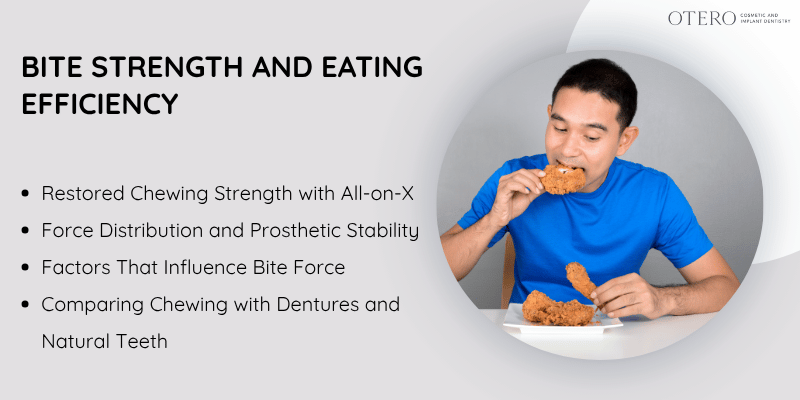
Restored Chewing Strength with All-on-X
All-on-X uses a fixed prosthetic arch that anchors to implants in your jawbone. This setup lets you apply steady chewing force without the movement you get from loose teeth or dentures.
Studies show that full-arch implant designs, especially All-on-4 concepts, can produce strong chewing ability compared to other options.
Research on the All-on-four treatment concept and biting force found higher bite force and chewing efficiency than complete dentures.
You will likely notice improved chewing with firm foods like meat and raw vegetables. Because the prosthesis does not shift, you can break down food with fewer chewing cycles.
Your dentist still adjusts your bite to control peak pressure, especially in the back teeth where force runs highest. This balance supports comfort and long-term prosthesis survival.
Force Distribution and Prosthetic Stability
Chewing force must spread evenly across your implants. If one area takes too much load, the bone around that implant can weaken over time.
Dentists study force distribution during planning. Reviews on the impact of bite force on dental implants explain how high bite force may overburden implants and increase the risk of bone loss when loads are not balanced.
Your dentist places implants where bone can best support pressure. They may angle back implants to reduce stress and limit long cantilevers.
They also shape the teeth of your permanent restoration to guide force straight down the implant, not sideways. Straight loading improves prosthetic stability and helps protect screws, abutments, and bone.
Even small bite adjustments can reduce overload and improve long-term outcomes.
Factors That Influence Bite Force
Your bite force depends on more than your teeth. Your jaw muscles, bone quality, age, and habits all matter.
Research on factors that influence chewing and bite force shows that muscle strength and the number of opposing tooth contacts play major roles in chewing performance.
If you clench or grind, you can generate very high force, often without food to cushion it. That repeated pressure can strain a fixed prosthetic arch.
Body size and muscle mass can also affect chewing force. Some people naturally produce stronger bites than others.
Your dentist reviews your health history, checks for signs of grinding, and may recommend a night guard. These steps help protect your implants and support prosthesis survival.
Comparing Chewing with Dentures and Natural Teeth
Natural teeth connect to bone through ligaments that sense pressure. These ligaments help your body adjust force automatically.
Implants do not have this same feedback system. Dentists must plan the bite carefully because the implant connects directly to bone.
Complete dentures rest on gum tissue and often move during chewing. This movement limits bite force and reduces chewing efficiency.
Clinical discussions on bite force capability in implant patients note that patients with high maximum bite force may need wider or longer implants to resist heavy loads.
With All-on-X, you gain more stability than dentures and more chewing strength than removable options.
You also rely on proper design and regular checkups to keep your permanent restoration functioning safely under daily chewing pressure.
Contact us now to discover how All on X can restore powerful chewing and long term stability.
The All-on-X Procedure: Step by Step
You move through clear stages, from detailed scans to implant placement and healing. Each step affects how well your new teeth handle daily bite force.
Initial Consultation and Digital Planning
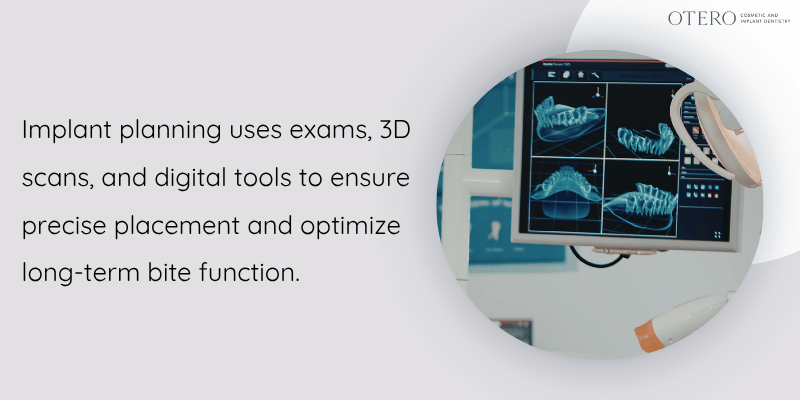
You start with a full exam and health review. Your dentist checks your gums, bone levels, and bite. They also review medical issues like diabetes or smoking that can affect healing.
A CBCT scan (cone-beam CT) creates a 3D image of your jaw. This scan shows bone height, width, and the position of nerves and sinuses. It helps your team decide if you need bone grafting or if angled implants can avoid it.
Digital planning is precise. Using a modern digital workflow for full-arch implants, your team maps exact implant placement before surgery. They may design a custom surgical guide to control depth and angle.
Some offices use photogrammetry to record implant positions with high accuracy. This step improves fit and reduces stress on the dental bridge, which helps manage bite force long term.
Implant Placement and Surgical Techniques
On surgery day, you receive local anesthesia, and many patients choose sedation. Your surgeon removes failing teeth if needed, then begins implant surgery.
The goal is strong primary stability. Your surgeon places 4–6 implants per arch in areas with the best bone support. They may angle the back implants to increase contact with dense bone and avoid sinus areas.
With guided surgery, the surgical guide directs implant placement according to the digital plan. This method reduces guesswork and helps protect nearby nerves and structures.
If bone volume is limited, your surgeon may recommend bone grafting before or during implant placement. Good bone support allows implants to handle chewing pressure safely once your new teeth are attached.
Temporary Teeth and Immediate Loading
Many patients receive temporary teeth the same day as implant surgery. This approach is called immediate loading.
Immediate loading connects a fixed temporary bridge to the implants within hours. Your temporary teeth look natural and let you speak and smile right away. However, you must follow a soft diet.
This phase protects the implants while they begin bonding to bone. Avoiding hard or sticky foods reduces excess bite force and lowers the risk of implant movement.
Healing Phase and Osseointegration
After surgery, your body begins osseointegration. This process means the bone grows around the implant surface and locks it in place.
The healing phase usually lasts 8 to 16 weeks. During this time, you wear your temporary bridge and attend follow-up visits.
Your dentist checks for swelling, gum health, and implant stability. Good oral hygiene is critical. Plaque buildup can cause inflammation that weakens bone support.
When healing finishes, your team takes final records. They design a stronger, long-term bridge built to handle normal bite force without overloading the implants.
Long-Term Maintenance and Daily Life
Strong bite force means your implants work hard every day. You protect that strength with steady oral hygiene, routine maintenance visits, and smart daily habits.
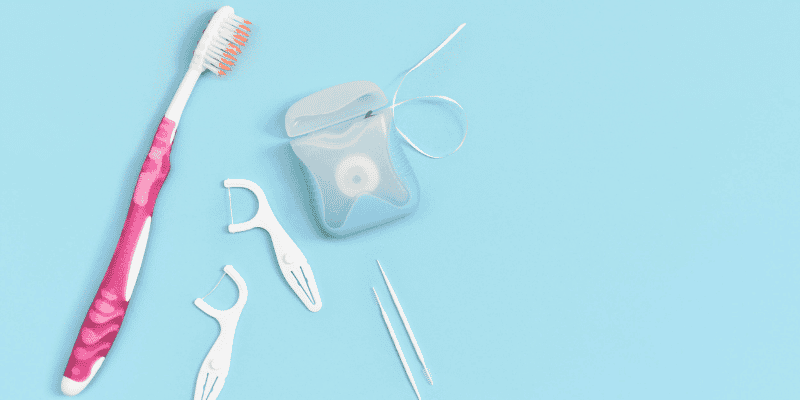
Cleaning and Oral Hygiene Tools
You must clean your All-on-X bridge every day, even though it does not get cavities. Bacteria can still build up along the gumline and around the implant posts.
Use a soft-bristled toothbrush or an electric toothbrush twice a day. Angle the bristles toward the gumline and brush where the bridge meets your gums. Gentle pressure works best.
A water flosser helps rinse under the fixed bridge where a normal toothbrush cannot reach. This step removes food debris and lowers your risk of gum inflammation.
You can also use interdental brushes to clean around implant posts if your dentist recommends them. Choose the right size so you do not damage the tissue.
These tools support long-term maintenance and protect your oral health.
Professional Maintenance and Follow-Up
Home care is only part of the plan. You also need regular maintenance visits for professional maintenance and evaluation.
Most patients return every six months, though your dentist may suggest visits every three to six months at first.
During these appointments, your provider checks your bite, tightens loose components, and looks for early signs of implant complications.
Professional cleanings remove hardened plaque that brushing and flossing miss. Your dental team uses special tools designed for implants to protect the surface.
You should also follow all post-operative care instructions after surgery. Early healing sets the stage for long-term stability.
Preventing Implant Complications
All-on-X implants resist decay, but the surrounding tissue can still become inflamed. Two common problems are peri-implant mucositis and peri-implantitis.
Peri-implant mucositis causes redness and bleeding around the implant. It is often reversible with better cleaning and professional care.
Peri-implantitis is more serious. It affects the bone that supports your implants and can lead to implant failure if untreated.
You reduce your risk by brushing daily, using a water flosser, and keeping all maintenance visits. Avoid smoking, since it slows healing and raises the risk of implant complications.
If you notice bleeding, swelling, or pain when you chew, call your dentist right away. Early action protects your bite force and your long-term results.
Adapting to Your New Smile
Your bite force will feel stronger than it did with removable dentures. At first, you may need time to adjust to the pressure and stability.
Start with softer foods during early healing. Then slowly return to firmer foods as your dentist clears you. Chew evenly on both sides to balance the load on your implants.
Speak and smile often to build comfort and confidence. Most patients report that daily life feels natural once they adapt.
With steady oral hygiene, regular professional cleanings, and mindful eating habits, you support your oral health and keep your new smile stable for years.
Potential Challenges and Solutions
All-on-X dental implants handle strong daily bite forces, but your bone, muscles, and prosthesis must work together. When bite load, bone density, or habits like clenching are not managed well, problems can develop.
Bone Loss and Jawbone Changes
Your implants depend on healthy jawbone to stay stable. If bone density is low or bite forces overload the implants, you may see gradual bone loss around them.
Research shows that high bite forces can increase stress on the supporting bone and raise the risk of failure or component fracture, especially when loads are off‑axis, as explained in this review on bite force and dental implant treatment.
The back teeth often create much higher forces than the front teeth.
Your dentist may respond with:
- Wider or longer implants
- Angled implants to spread force
- Extra implants to share the load
- Bone grafting to improve bone volume
In severe upper jaw cases, some providers use zygomatic implants or pterygoid implants to anchor into stronger bone areas.
Regular checkups help detect early bone changes before they lead to failing dentures or implant loss.
Mechanical Complications and Bite Forces
Strong bite forces can stress implant parts. Over time, this may lead to screw loosening, cracked prosthetic teeth, or even broken components.
Patients with very high bite loads face greater risk of late component fracture. Off‑axis forces increase this risk even more.
You can reduce mechanical complications by:
- Following a balanced bite design
- Avoiding hard foods like ice or unpopped popcorn
- Attending routine tightening visits
If you feel movement, clicking, or uneven pressure when chewing, contact your provider quickly. Early repair prevents larger failures.
Prosthesis Material Considerations
The material of your bridge affects how it handles pressure. Some materials flex more, while others resist wear but transfer higher force to the implants.
Many modern full-arch bridges use monolithic zirconia because it is strong and resistant to chipping. However, its stiffness means your bite must be adjusted carefully to avoid overloading implants.
In patients with extreme bite force, your dentist may:
- Modify the bite to reduce stress
- Add more implants for support
- Choose materials that balance strength and shock absorption
If you previously had failing dentures, you may notice a stronger chewing ability with All-on-X. That increase in force makes proper material choice even more important.
Addressing Bruxism and Nighttime Forces
If you grind or clench your teeth, you place heavy stress on your implants. Bruxism often happens at night, and you may not know you do it.
Nighttime forces can exceed normal chewing pressure. This can lead to:
- Screw loosening
- Prosthesis fractures
- Bone strain around implants
Your dentist may recommend a custom night guard. Night guards create a protective barrier and help spread force more evenly.
You should wear your night guard every night if advised. Consistent use lowers the risk of long‑term mechanical complications and helps protect your jawbone and prosthesis.
Treatment Outcomes and Longevity
All-on-X full-arch implants show strong clinical outcomes when planned and maintained well. Your long-term results depend on prosthesis survival, implant stability, and how you care for your final bridge.
Clinical Outcomes and Prosthesis Survival
Clinical outcomes for All-on-X are strong when your provider selects the right number and position of implants.
Studies on the All-on-X treatment concept report long-term success rates that compare well with traditional implant methods.
You often leave surgery with a temporary fixed bridge, also called a temporary prosthesis. This bridge lets you chew soft foods while your implants heal and fuse with bone.
After healing, your dentist places the final bridge, also known as the permanent restoration.
Many reports show that the system can last around 20 years or more with proper care, and the titanium implant posts may last even longer.
Prosthesis survival depends on material choice, bite force control, and regular follow-up visits.
Factors Affecting Long-Term Success
Your long-term success depends on more than surgery alone. Several factors influence implant failure risk and prosthesis survival:
- Bone quality and volume
- Accurate digital planning
- Proper implant number and angle
- Material of the final bridge
- Daily cleaning and maintenance
Digital planning and lab design play a major role in fit and durability. The dental lab helps design a precise bridge, especially in cases that use zirconia or titanium frameworks.
You also protect your investment by managing bite force. If you grind your teeth, your dentist may recommend a night guard to reduce stress on full mouth dental implants.
Smoking, uncontrolled diabetes, and missed hygiene visits increase the risk of implant failure.
Comparing All-on-X to Other Options
All-on-X uses a set number of implants to support a fixed full-arch bridge. In contrast, traditional methods may require more implants or bone grafts before placing a permanent restoration.
Some treatment plans use advanced bone grafting from the hip area. All-on-X often avoids that step, which can reduce healing time and surgical risk.
When you compare All-on-4 to other All-on-X variations, the main difference is the number of implants used.
More implants can improve load distribution in some cases, especially if you have high bite force.
You and your surgeon choose the design that matches your bone, bite strength, and long-term goals.
Take action today and schedule your visit to unlock the full potential of All on X bite performance.
Frequently Asked Questions
All-on-X implants can restore strong chewing power, but healing time, bone support, and habits like grinding all affect your results. Clear planning and good follow-up care help protect your bridge and keep your bite stable.
How strong will my bite feel after All-on-X dental implants compared with natural teeth?
Your bite can feel firm and steady because the bridge anchors to implants in your jawbone. Many patients reach chewing strength close to natural teeth once healing is complete.
Implants do not have the same pressure-sensing ligaments as natural teeth. Your dentist adjusts your bite to control force and protect the bone.
When can I start eating harder foods after my All-on-X procedure?
You will start with soft foods during early healing. This stage often lasts several weeks while the implants bond with your bone.
Your dentist will check stability before you return to harder foods. Many people slowly add firmer foods after a few months, depending on healing and bite strength.
Following food guidelines lowers stress on new implants and reduces risk of failure.
Can All-on-X implants handle chewing tough foods without damaging the bridge?
Yes, All-on-X bridges can handle normal chewing when designed and placed correctly. The key is proper implant number, spacing, and bite balance.
All-on-X means four or more implants support the arch. Some systems use more implants to improve force spread. Grinding or clenching can still strain the bridge.
A night guard may help protect your restorations if you have these habits.
What factors affect bite force results after full-arch implant treatment?
Bone density plays a major role. Strong bone gives implants better support under pressure.
Muscle strength also affects how hard you can bite. People with strong jaw muscles often generate higher force.
Implant number, length, and angle matter too. Your chewing habits and whether you grind your teeth will also shape long-term results.
What is the “3-2 rule” for dental implants, and how does it relate to full-arch cases?
The “3-2 rule” is not a standard clinical rule for full-arch implants. Dentists do not rely on a fixed formula like this to decide implant number or placement.
In full-arch cases, your dentist bases the plan on bone volume, bite force, and arch shape. Some cases use four implants, while others use six or more for better load control.
The term All-on-X reflects this flexibility. The “X” means the number of implants can change based on your needs.
Why do some people fear implant surgery, and what can help reduce anxiety?
Many people fear pain, drilling sounds, or the idea of surgery. Others worry about cost or healing time.
Modern implant surgery uses local anesthesia and often sedation. Most patients report manageable discomfort after the procedure.
A clear consultation helps ease fear. During visits like those described in common All-on-X dental implant questions, you can review scans, discuss the plan, and understand each step before treatment begins.