

When deciding between All-on-X and traditional dental implants, the best choice depends on your needs and lifestyle. All-on-X uses fewer implants to support a full set of teeth, offering a stable and quicker solution, while traditional implants replace each missing tooth individually for a more customized approach.
Both options improve how you eat, speak, and feel about your smile, but they work in different ways.
All-on-X implants often allow you to leave the dental office with temporary teeth the same day, making the process faster. Traditional implants take longer since each tooth is replaced one at a time, but they may be better if you have enough bone and want to keep some natural teeth.
Considering your oral health and budget will help you decide which option fits you best.
Key Takeaways
- All-on-X uses fewer implants to restore a full arch quickly and securely.
- Traditional implants replace each tooth individually for a tailored fit.
- Your oral health and lifestyle goals guide the best choice for you.
What Are All-on-X and Traditional Implants?
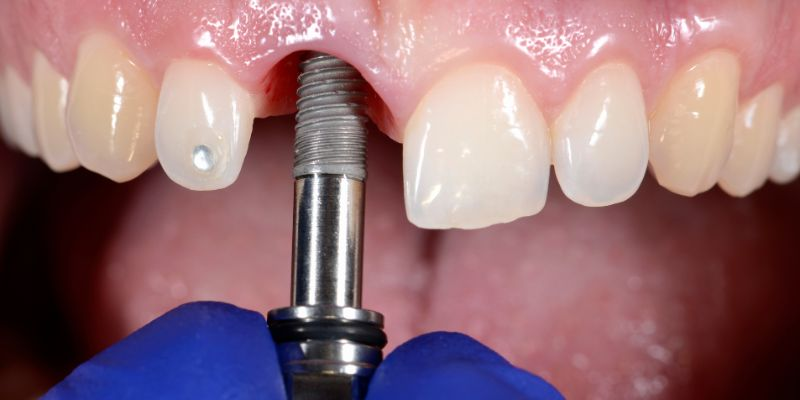
When replacing missing teeth, dental implant solutions offer different methods depending on your needs. Understanding how All-on-X and traditional dental implants work helps you choose the best option for your oral health and lifestyle.
Defining All-on-X Implants
All-on-X implants use a small number of implants, usually 4 to 6, to support a full arch of teeth. This means instead of replacing each tooth, you get a full set fixed on fewer implants.
You often get a temporary set of teeth right after surgery, so you leave with a smile the same day. This method is designed for people who have lost most or all teeth in one arch.
Using fewer implants makes it usually more cost-effective for full-arch replacements. The full arch is fixed permanently, so it feels similar to natural teeth in comfort and function.
All-on-X dental implants are also highly reliable, with studies showing implant survival rates of around 95% and prosthesis success exceeding 99% over 10 years. This shows their strength as a long-lasting solution without needing numerous implants.
Overview of Traditional Dental Implants
Traditional dental implants replace individual teeth. Each missing tooth gets its own implant, topped with a crown or bridge.
This method is best when you are missing a few teeth, not entire arches. The implants are placed into the jawbone and take several months to heal before the crown or bridge is attached.
Because every tooth needs its own implant, treatment can be longer and more expensive if you have many teeth to replace.
Traditional dental implants offer precise replacement that matches your natural teeth in feel and appearance. You get more flexibility if you have healthy teeth nearby that don’t need treatment.
Purpose and Indications for Use
All-on-X implants are ideal if you have lost most or all teeth in an arch or have weak bone support. They offer a quicker, fixed solution for full-mouth restoration.
This option works well if you want fewer surgeries and want to avoid dentures. Traditional implants suit you if you miss just a few teeth and want to keep healthy teeth intact.
They provide the best option for replacing single teeth or smaller areas with high precision. Both options require a good jawbone condition, but All-on-X may be better for those with some bone loss, as fewer implants are needed.
Choosing depends on how many teeth you need replaced, your budget, and how fast you want to recover.
Considering a full-arch restoration? Schedule a consultation in Wilmington, NC, today to see if All-on-X or traditional implants are right for you.
How All-on-X and Traditional Implants Work
Both All-on-X and traditional implants restore missing teeth but use different methods and setups. You will notice differences in how implants are placed, the number of implants needed, and the type of replacement teeth used for full-arch restoration.
Implant Placement Techniques
With All-on-X, the implants are placed strategically to support a whole arch of teeth, usually requiring 4 to 6 implants. These implants are angled to maximize support and make use of available jawbone, even if bone loss exists.
This method is less invasive compared to replacing each tooth individually. Traditional implants involve placing one implant per missing tooth.
This means more implants overall, sometimes 8 or more for a full arch. These implants are placed straight into the jawbone where each tooth was originally located.
This process can be more time-consuming and often requires healthy bone in all areas.
Number of Implants and Tooth Replacement Options
All-on-X uses fewer implants, typically 4 (All-on-4) or 6 (All-on-6), to anchor a full arch of teeth. The fewer implant count reduces surgery time and recovery, while still providing strong support for your prosthetic teeth.
Traditional implants replace each tooth one by one, offering a more customized approach if you’re only missing a few teeth. However, a full-mouth restoration with traditional implants requires many implants, which increases cost and complexity.
Prosthetic Teeth and Full-Arch Restoration
In All-on-X, the implants support a fixed prosthetic, meaning the whole arch of replacement teeth is firmly attached and not removable by you. This setup feels closer to natural teeth and allows you to eat and speak confidently without worrying about shifting.
With traditional implants, each implant holds a crown for a single tooth. This restores your smile one tooth at a time but can take longer to complete.
Both methods restore full-arch function, but All-on-X offers a quicker, all-in-one restoration option that many find more convenient.
Candidacy and Treatment Considerations
Choosing between All-on-X and traditional implants depends a lot on your jawbone health, how many teeth you are missing, and whether you want to replace a full arch or just a few teeth. These details can help your dentist find the best plan for your smile.
Bone Density and Bone Grafting
Your jawbone density plays a big role in implant success. All-on-X implants need fewer implants, usually 4 to 6, and can work even if you have some bone loss.
The implants are placed at an angle to make better use of your existing bone. Traditional implants require more bone because each missing tooth gets an individual implant.
If your bone is weak, you might need bone grafting to build it up before implants. If you want to avoid extra surgeries, All-on-X may be easier since it often doesn’t need bone grafts.
Still, your dentist will check your bone with scans to see what suits you best.
Suitability for Missing Teeth and Tooth Loss
If you are missing many or all teeth on an upper or lower arch, All-on-X might be a good fit. It replaces a whole set of teeth with a fixed bridge anchored by a few implants.
If you only need to replace a few teeth, traditional implants offer individual crowns that look and feel like natural teeth. Also consider if you currently wear removable dentures.
All-on-X provides a more stable, non-removable alternative, while traditional implants suit those with fewer missing teeth who want precise tooth-by-tooth restoration.
Comparing Full-Arch vs. Individual Tooth Restoration
All-on-X focuses on full-arch restoration, replacing all teeth on one arch at once. It speeds up treatment by limiting implants and often lets you leave the office with temporary teeth the same day.
Traditional implants replace teeth one by one. This means more implants, longer healing times, and higher costs, but it works well if you only need to fill a few gaps.
Here’s a quick comparison:
| Factor | All-on-X | Traditional Implants |
| Number of implants | 4–6 per arch | 1 per missing tooth |
| Treatment time | Faster, sometimes same-day | Longer, staged procedures |
| Bone requirements | Can work with moderate loss | Needs strong bone or grafting |
| Best for | Full-arch tooth loss | Few missing teeth |
| Prosthetic type | Fixed bridge | Individual crowns |
Want to see which option fits your needs? Book a visit in Wilmington, NC today.
Benefits, Challenges, and Long-Term Outcomes
Choosing between All-on-X and traditional implants affects how stable, comfortable, and natural your teeth will feel. You also need to think about how well they protect your jawbone and face, how clear your speech will be, and how much upkeep they require over time.
Stability and Comfort
With All-on-X, you get a full arch of fixed teeth supported by fewer implants placed at angles. This setup creates strong stability, so your replacement teeth won’t slip like removable dentures might.
The implants act more like natural tooth roots, holding your teeth firmly in place. Traditional implants replace each missing tooth one by one.
This can feel very natural but may require many implant sites, meaning more surgery and healing time. All-on-X generally feels more comfortable than traditional removable dentures because it avoids the bulk of a denture plate and stays fixed in your mouth.
You won’t need messy adhesives or worry about your teeth moving when you eat or talk.
Bone Preservation and Facial Structure
Both All-on-X and traditional implants help protect your jawbone better than removable dentures. Implants stimulate the bone similarly to natural teeth, which slows bone loss and helps maintain your facial shape.
All-on-X can also avoid the need for bone grafts in many cases by using angled implants that maximize your existing bone. This is helpful if your jawbone density is lower or you want a faster recovery.
Traditional dentures don’t support the bone the same way because they rest on your gums, which can lead to shrinkage over time. That shrinkage can cause your cheeks and lips to sag, changing your facial structure and smile.
Quality of Life and Speech Clarity
Replacing teeth with All-on-X implants can improve your ability to speak clearly. Since the teeth are fixed, they don’t shift, so you can pronounce words better compared to removable or traditional dentures that might click or slip.
You’ll likely enjoy a wider food choice with All-on-X because the bite force is stronger and more stable. This makes eating easier and more enjoyable without fear of your teeth moving.
Patients also report high satisfaction with All-on-X implants, noting improvements in chewing, stability, aesthetics, and overall confidence, according to long-term follow-ups over 3-7 years.
Traditional dentures can sometimes cause soreness or gagging and may affect how you talk. If they are well fitted, traditional implants help restore function but usually require longer treatment time.
Durability and Maintenance
All-on-X implants offer long-term durability because fewer implants support an entire arch, reducing stress on each implant. The design focuses on stability and ease of cleaning, so you can maintain your oral hygiene with regular brushing and flossing around the implant areas.
Traditional implants also last long but need more implants per tooth, meaning more implant sites to care for. You may need additional maintenance or repairs over time.
Removable dentures require daily cleaning and occasional replacement due to wear or changes in your mouth shape. They don’t provide the same durability and may need adhesives or relining.
| Feature | All-on-X Implants | Traditional Implants | Traditional Removable Dentures |
| Stability | Fixed, stable, no slippage | Stable, natural feel | Removable, can slip |
| Comfort | More comfortable, less bulk | Natural, longer healing | Bulkier, may cause soreness |
| Bone Support | Preserves bone, avoids grafts | Good bone support, many implants | Poor bone stimulation |
| Speech Clarity | Clear, fixed teeth | Clear with healing | May cause clicking or slurring |
| Maintenance | Easy daily cleaning | More implant sites to care for | Needs daily cleaning, adhesives |
Procedure Steps and Recovery Experience
Understanding the steps involved in getting all-on-x or traditional implants can help you prepare for the treatment and recovery. From the initial consultation to the final restoration, each phase focuses on restoring your smile with care and precision.
Consultation and Temporary Prosthesis
Your journey begins with a detailed consultation. During this visit, your dentist will evaluate your mouth using 3D imaging and scans.
This helps reveal your bone structure and decide the best implant plan for you. If you choose the all-on-x procedure, a temporary prosthesis, often called “teeth in a day,” is usually prepared.
This temporary set of teeth is fixed soon after your implant surgery. It lets you leave your appointment with new teeth that look good and function well while your mouth heals.
The temporary prosthesis gives you time to get used to your new bite and ensures you feel confident during healing. You’ll still need to follow special dental care routines and return for professional cleanings and checkups during this phase.
Surgical Phases and Immediate Results
The implant surgery for all-on-x involves placing between four and eight implants, depending on your treatment plan. The implants are often angled to maximize support and avoid sensitive areas.
This can be done with minimal cuts or sometimes without a flap. After the implants are placed, the temporary prosthesis is attached within 24 to 48 hours.
This immediate loading means you can eat and speak with your new teeth right away. In contrast, traditional implants often require more implants and sometimes multiple surgeries before teeth are placed.
The all-on-x method is less invasive, with shorter surgery time and fewer implants needed. You might feel some mild swelling or discomfort, but most patients find the experience manageable with proper pain control and rest.
Healing, Osseointegration, and Final Restoration
After surgery, the healing phase begins. Your implants need to fuse with your jawbone in a process called osseointegration, which usually takes 3 to 6 months.
During this time, it’s important to stick to a soft diet and keep good oral hygiene. You’ll have follow-up visits to monitor healing and clean around the implants professionally.
These checkups help ensure the implants are stable and that your gums stay healthy. Once osseointegration is complete, your final prosthesis is designed and placed.
This restoration is custom-made to fit your mouth perfectly and provide long-lasting strength and appearance. At this point, your new teeth should feel natural and reliable for daily use.
Choosing the Right Tooth Replacement Solution
Choosing between All-on-X and traditional implants depends on your budget, lifestyle, and how much dental work you need. You’ll want to weigh costs, daily care, and how each option fits your mouth’s needs.
Comparing Costs and Value
Traditional implants typically cost more upfront because each missing tooth might need its own implant. This means more surgery, visits, and implants, which adds up.
All-on-X uses fewer implants (usually 4-8) to support a full arch. This reduces surgery time and may cost less overall.
You get a full set of teeth faster, often in one visit. However, traditional implants can be more cost-effective if you only replace a few teeth.
They preserve more bone and may last longer without issues. Think about long-term value, not just price.
Full arch All-on-X can save time and money if you need many teeth replaced. For fewer missing teeth, traditional implants might suit you better.
Lifestyle Factors and Oral Hygiene Needs
All-on-X means fewer implants to clean around, but it replaces an entire arch, so your prosthetic needs good daily care. You’ll clean under the bridge with special tools.
Traditional implants act like natural teeth, so you floss and brush as usual around each implant. This might feel more natural and easier if you only have a few implants.
Both options help prevent bone loss and improve chewing and speaking. But All-on-X may require fewer dentist visits after placement.
Consider your comfort with routine cleaning and how much care you can manage. Both need good oral hygiene to avoid infections and keep your dental restoration healthy.
Ready to explore your tooth replacement options? Schedule a consultation today in Wilmington, NC, and discover the solution that best fits your smile.
Frequently Asked Questions
Choosing between All-on-X and traditional dental implants depends on factors like cost, recovery, and care. Both options have unique benefits for replacing teeth in your upper or lower jaw.
What are the main advantages of All-on-X dental implants compared to traditional ones?
All-on-X uses fewer implants to support a full arch, usually 4 to 6, while traditional implants replace each missing tooth individually. This means All-on-X can be faster, less invasive, and often more affordable for full-arch restorations.
How long is the recovery time for All-on-X implants versus traditional dental implants?
With All-on-X, you can often leave surgery with temporary teeth on the same day. Traditional implants usually need 3 to 6 months of healing before you can get permanent crowns.
Can All-on-X implants be used for both upper and lower jaw restorations?
Yes, All-on-X implants work well for both the upper and lower jaw. They are designed to replace a full arch, no matter which jaw needs treatment.
Is there a significant difference in the cost between All-on-X and traditional dental implants?
All-on-X may have a higher initial price but can be more cost-effective if you need to replace many teeth. Traditional implants can cost more overall since each missing tooth usually needs its own implant.
What are the dietary restrictions after getting All-on-X implants?
After surgery, you’ll need to avoid hard or sticky foods for a few weeks. Soft foods like soups and smoothies are best until your implants start healing and your doctor approves more solid foods.
How often do All-on-X implants need maintenance compared to individual dental implants?
Both require regular dental check-ups and good oral hygiene. All-on-X implants might need less frequent maintenance because fewer implants support more teeth.
You should still follow your dentist’s advice closely.