

Dental implants can last a very long time if you take care of them properly. Most implants are designed to last 10 to 30 years or even longer because they bond directly with your jawbone.
The crown on top might need replacing after 10 to 15 years due to normal wear. The implant itself is made to be a permanent part of your mouth.
How long your dental implant lasts depends on a few things like how well you keep your mouth clean, your overall health, and how skilled your dentist is. Choosing the right implant type and following aftercare instructions can also make a big difference.
Whether you’re still deciding about implants or already have them, knowing what affects their lifespan is important. This guide will help you learn how long dental implants last and what you can do to keep yours strong and healthy.
Key Takeaways
- Dental implants can last decades with proper care and maintenance.
- Your daily habits and health impact how long implants stay strong.
- The type of implant and placement affect durability and success.
How Long Do Dental Implants Last?
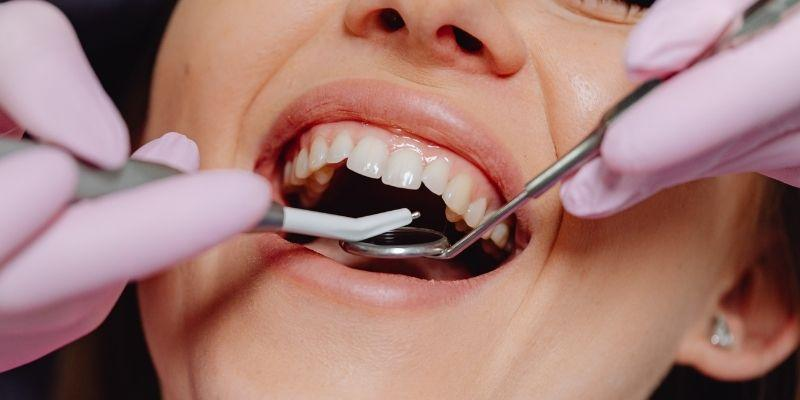
Dental implants are designed to be a long-lasting solution for missing teeth. The actual time they last depends on different parts of the implant and how well you take care of them.
Success rates and studies also give clear insights into how reliable dental implants can be over time.
Average Lifespan of Dental Implants
The metal post of a dental implant, which is placed into your jawbone, is built to last a very long time, often 10 years or more, and many last for life. This post becomes part of your bone through a process called osseointegration, which creates a strong hold similar to a natural tooth root.
The crown, which is the prosthetic tooth attached on top, usually lasts between 10 and 20 years due to daily wear. Crowns can get worn down, cracked, or loose and may need to be replaced even if the implant post stays in place.
Good oral hygiene, avoiding hard foods, and regular dental visits help extend the lifespan of both the implant and crown.
Longevity of Implant Posts vs. Crowns
The implant post is typically made from titanium or ceramic, both very durable materials. Once the post integrates with your jawbone, it offers a stable base for chewing and biting.
This post is often permanent when properly cared for. The crown acts like a real tooth but is more prone to damage over time.
Crowns may wear out, chip, or become loose and will likely need replacement every 15 to 20 years. If necessary, replacing the crown is simpler than replacing the implant post.
Success Rates and Clinical Data
Studies show that dental implants have a 10-year survival rate of about 96%, making them one of the most reliable long-term tooth replacement options.
Factors affecting success include oral hygiene, bone quality, smoking habits, and the skill of your dental surgeon. Smoking, poor care, or medical issues like diabetes can increase the risk of implant failure.
Regular checkups help catch issues like peri-implantitis early, preventing implant loss. Choosing an experienced surgeon and following care instructions increases your chances of keeping your implant for many years.
If you want to ensure your dental implant lasts as long as possible, schedule a consultation with a qualified Wilmington, NC dentist to discuss the best implant options and aftercare plan.
Key Factors Affecting Implant Longevity
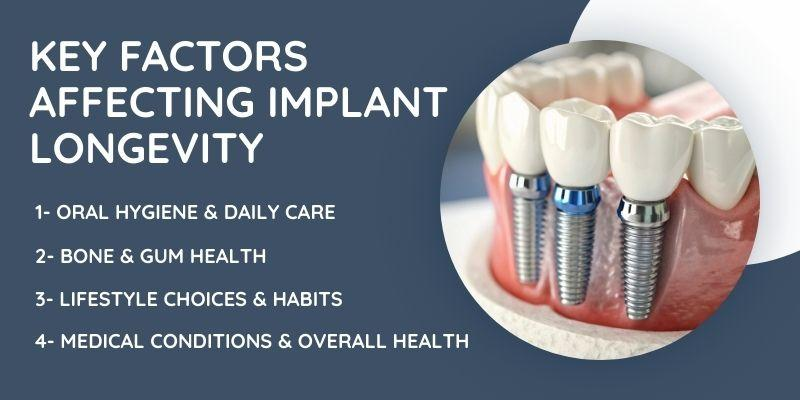
Dental implants can last a long time, but several specific factors play a big role in how well they hold up. Paying attention to your daily care, the health of your gums and bone, your habits, and your overall health can make a big difference.
Oral Hygiene and Daily Care
Your daily oral hygiene is the most important step to protect your implant. Brushing twice a day with a soft-bristle toothbrush helps remove plaque.
Flossing or using a water flosser daily cleans the hard-to-reach spots around the implant. Gum disease, especially peri-implantitis, can cause implant failure.
This infection damages the gums and bone supporting your implant. You can prevent this by keeping your mouth clean and visiting your dentist regularly for check-ups and professional cleanings.
Avoid harsh scrubbing, but be thorough. Look out for early signs like redness, swelling, or bleeding around the implant.
Reporting these early to your dentist helps stop bigger problems.
Bone and Gum Health
The success of your dental implant depends a lot on the strength of your jawbone. After tooth loss, your jawbone can lose density and shrink because it no longer receives normal pressure.
Healthy bone makes the implant stable. If your bone isn’t dense enough, your dentist might recommend bone grafting before placing the implant.
This builds a strong foundation. Good gum health is equally important.
Gum recession or inflammation can expose the implant and cause problems. Regular dental visits include X-rays to check the jawbone and detect bone loss early.
If you grind your teeth (bruxism), this can put too much pressure on the implant and cause damage. Using a night guard might be needed to protect both natural teeth and implants.
Lifestyle Choices and Habits
Certain habits affect how long your implant lasts. Smoking, for example, significantly lowers blood flow to the gums and delays healing around the implant.
This makes infections more likely and increases the risk of implant failure. If you smoke, quitting before and after the implant surgery greatly improves your chance of success.
Other habits like poor diet or excessive drinking can harm your bone and gum health. Chewing hard foods or opening things with your teeth can put strain on the implant.
Be gentle to avoid cracking the implant crown or loosening it.
Medical Conditions and Overall Health
Your general health impacts the healing process and long-term implant success. Conditions like uncontrolled diabetes and autoimmune diseases slow down healing and raise the risk of infection around implants.
If you have such conditions, keeping them under control is key. Diabetes, for example, should be well-managed before implant surgery with stable blood sugar levels.
Certain medications, like those for osteoporosis, can also affect bone healing. Make sure your dentist knows your full medical history before getting implants.
Good communication between you, your healthcare providers, and your dental team helps create a safe plan for your implant and reduces risks.
Types of Dental Implants and Their Durability
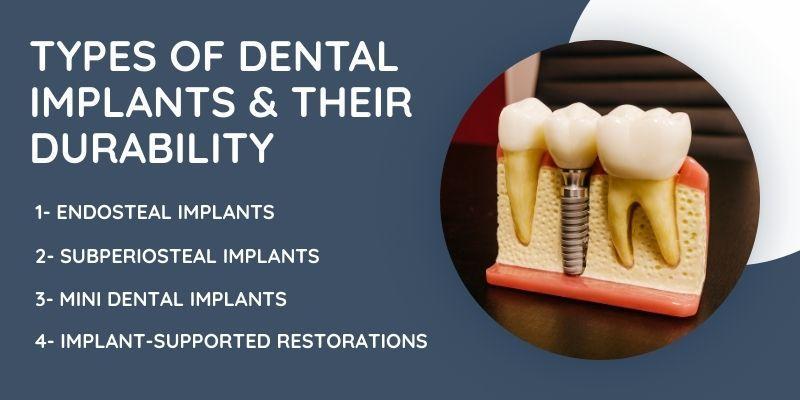
Dental implants come in different types, and each serves a specific purpose based on your bone health and dental needs. The durability of these implants depends on the type, placement, and how well you care for them.
Knowing the differences helps you choose the best option.
Endosteal Implants
Endosteal implants are the most common type you’ll hear about. They are small screws or cylinders that fit directly into your jawbone.
They usually last 20 years or more when placed by an experienced dentist and cared for properly. These implants act like the roots of your natural teeth.
After they are placed, the bone grows around them in a process called osseointegration, which keeps them stable. Endosteal implants support crowns, implant posts, and even bridges to replace one or more teeth.
Because they are embedded in the bone, they provide strong support for chewing and look very natural.
Subperiosteal Implants
Subperiosteal implants are less common and designed for people with low jawbone height who cannot have bone grafts. These implants sit on top of the jawbone but under the gum.
While they can hold dental bridges or crowns, they tend to be less stable than endosteal implants. Their lifespan is usually shorter, often around 10 to 15 years.
They require good oral hygiene and regular dental checkups to avoid complications like gum infection.
Mini Dental Implants
Mini dental implants are smaller in size and less invasive to place. You might get these if you have less bone density or need a quicker, simpler procedure.
Mini implants are great for stabilizing dentures but are usually not recommended for full chewing force areas because they are less durable than standard implants. They generally last 10 to 15 years.
Their smaller size means they may not support a crown or bridge well but work well for supporting implant posts in narrow spaces.
Implant-Supported Restorations
Implant-supported restorations use implants to hold dental bridges, crowns, or even full arches of teeth like with the All-on-4 technique. This method spreads biting pressure across several implants, increasing strength and durability.
If you need a dental bridge or multiple replacements, implant-supported restorations can last 15 to 25 years or more with good care. They combine the stability of implants with the aesthetics and function of natural teeth, making chewing easier and more comfortable.
Regular visits to your dentist ensure your implant posts and crowns stay in good condition.
To choose the right dental implant for your needs, consult an experienced Wilmington, NC dentist who can evaluate your bone health and recommend the most durable solution.
The Implant Process and Impact on Longevity
The way your dental implant is put in plays a big role in how long it lasts. From how the surgery is done to where the implant is placed and whether your jawbone needs extra help, each step affects the success and durability of your implant.
Role of Surgical Technique
The surgical technique your implant dentist uses can affect how well your implant heals and stays stable. A careful and precise surgery reduces the risk of infection or damage to surrounding bone and tissue.
Using a minimally invasive approach helps protect your gums and bone during implant surgery. This means less pain and faster healing.
Skilled implant dentists use premium implant systems and tools that fit the implant securely into your jawbone, giving it a solid base. The better the technique, the higher the chance your implant will integrate properly and last longer.
Importance of Implant Placement
Where your implant is placed impacts how it handles biting and chewing forces over time. Implants in the back of your mouth take more pressure because they do more chewing.
Your dentist will consider your jawbone density when choosing the spot. If the bone is weak, the implant might not hold well, which can shorten its life.
Proper placement helps reduce stress on the implant and lowers the risk of failure. Good placement also means your implant looks natural and feels comfortable.
You might need a few dental visits to make sure the implant is correctly aligned with your other teeth.
Bone Grafting and Preparation
If your jawbone isn’t dense enough, your dentist might suggest a bone graft to provide a stronger foundation. Bone grafting adds bone material to build up the area where the implant will go.
Preparation with bone grafts helps your implant fuse better with the jawbone, increasing stability. This step is often necessary when you have lost bone due to tooth loss or gum disease.
The healing period after bone grafting can take several months. After this, your implant procedure can continue with a higher chance of long-term success.
Regular dental checkups after implant surgery help keep an eye on your implant and jawbone health to catch any issues early.
Maintenance and Prevention for Long-lasting Implants
Taking good care of your dental implants helps them stay strong for many years. You’ll need to pay attention to your daily cleaning habits, visit your dentist regularly, and protect your implants from damage caused by teeth grinding.
These steps reduce the risk of problems like infection and wear.
Routine Dental Checkups and Monitoring
Regular dental visits are key to keeping your implants healthy. You should see your dentist at least twice a year for cleanings and exams.
During these checkups, your dentist will remove plaque and tartar that you might miss at home. They will also check the implant for any signs of wear or bone loss around it.
Early signs of trouble can include gum swelling, redness, or small movements in the implant. Spotting these problems early helps prevent implant failure and serious issues like peri-implantitis, which is an infection around the implant.
Keeping up with professional cleanings and monitoring keeps your implant secure and your mouth healthy.
Preventing Implant Failure
To keep your dental implant strong, brushing twice a day and flossing daily are musts. Use a soft toothbrush and non-abrasive toothpaste.
Cleaning around the implant and crown carefully stops food debris and bacteria from building up. Avoid biting on hard things like ice or pens, which can damage the crown or implant parts.
Smoking is harmful and greatly increases the risk of implant failure, so quitting will help your implant last longer. Controlling any health issues like diabetes or gum disease is also important because they can affect bone and gum support for your implant.
Nightguards and Protection from Bruxism
If you grind or clench your teeth at night, your implants can wear down or become loose. Your dentist may recommend a nightguard, a soft plastic mouthpiece that cushions your teeth while you sleep.
Wearing a nightguard reduces pressure on your implants and natural teeth alike. This protection helps avoid cracks, chips, or movement caused by constant grinding.
Nightguards are custom-made for comfort and fit, making them easy to wear. Using one is a simple way to protect your implant investment and keep your smile stable for years.
Schedule regular checkups with our Wilmington, NC dentist to keep your dental implants healthy and ensure they last for decades.
Dental Implants Compared to Other Tooth Replacement Options
When replacing missing teeth, it’s important to choose an option that fits your lifestyle and offers lasting benefits. Different tooth replacement choices affect your oral health, comfort, and long-term costs in different ways.
Here are some key facts to help you understand how dental implants compare.
Benefits of Dental Implants Over Dentures
Dental implants provide much more stability than dentures, which can slip or feel loose. Anchored directly into your jawbone, implants help prevent the bone loss that often happens with missing teeth.
While dentures usually require adjustments or replacement every 5 to 7 years, implants can last 20 years or more with proper care. Implants also significantly improve chewing efficiency.
One clinical study showed that after switching to a two implant overdenture, the average chewed particle size decreased by over 76%, indicating more effective mastication.
Implants feel more natural because they do not cover the roof of your mouth like some dentures, improving comfort, taste, and speech. They function like real teeth and do not require daily removal or special cleaning beyond regular brushing and flossing.
Dental Implants vs. Bridges
Bridges replace missing teeth by anchoring a false tooth to nearby healthy teeth. While bridges are less expensive upfront, they usually last only about 10 to 15 years.
To fit a bridge, your adjacent teeth must be trimmed down, which can weaken them and increase their risk for decay or root canal treatment later. Implants don’t affect surrounding teeth because they stand alone, preserving your remaining natural teeth.
Bridges also don’t stop bone loss in the jaw under the missing tooth. Implants keep the bone healthy by stimulating it like a natural tooth root.
This helps maintain your facial structure and prevents the sunken look that can come from bone loss.
| Feature | Dental Implants | Bridges |
| Lifespan | 20+ years | 10-15 years |
| Effect on Adjacent Teeth | No impact | Requires trimming nearby teeth |
| Bone Preservation | Yes | No |
| Maintenance | Regular brushing & flossing | Special care for bridge and supporting teeth |
Frequently Asked Questions
Dental implants can last many years, but several factors affect their lifespan. You should know how long they last, healing time, potential risks, and whether implants can be replaced when needed.
Age and long-term use also matter in making the right choice.
What is the typical lifespan of a dental implant?
Dental implants usually last 30 to 40 years or even longer with proper care. The metal post often lasts a lifetime, while the crown may need replacement every 10 to 20 years depending on wear.
Can dental implants be replaced, and if so, how often?
The titanium implant post rarely needs replacing and can last your whole life. The part that might need swapping is the crown, which you may update every 10 to 20 years, similar to natural teeth.
What are the potential downsides to getting dental implants?
Implants cost more upfront, often between $2,500 and $4,000 per tooth. The process takes several months to heal fully and requires minor surgery.
You need good bone density and healthy gums for the best outcome.
How much time does it usually take for a dental implant to completely heal?
Healing takes about 3 to 6 months. Soft tissue heals in 1 to 2 weeks, but full bone integration takes longer, around 3 to 4 months for the lower jaw and 4 to 6 months for the upper jaw.
What can one expect from dental implants after 20 years of use?
After 20 years, most dental implants still work well. Studies show a 90-95% success rate with proper care, but the crowns may need replacing due to normal wear.
Are there specific age considerations for getting dental implants, such as getting them at 25 years old?
Yes, you can get implants at 25 if your jawbone growth is complete. This usually occurs by age 18 to 21.
Young adults may benefit from implants lasting over 50 years with good care. This makes it a strong long-term choice.