

Dental emergencies can happen suddenly and cause a lot of pain or discomfort. Knowing what counts as a dental emergency and how to act quickly can save your teeth and prevent serious problems.
The most common dental emergencies include severe toothaches, broken or chipped teeth, knocked-out teeth, lost fillings or crowns, and infections like abscesses.
Each situation needs different care, and some require immediate dental attention to avoid lasting damage. Being prepared and understanding what steps to take can help you stay calm and protect your smile until you can see a dentist.
You’ll also learn simple tips to prevent these emergencies and what to do if your braces or dental appliances break. Knowing this information can keep you ready for any dental urgent care needs.
Key Takeaways
- Quick action can help save damaged teeth during emergencies.
- Different dental problems need specific treatments and care.
- Preventive steps can lower the chance of dental emergencies.
What Are Dental Emergencies?
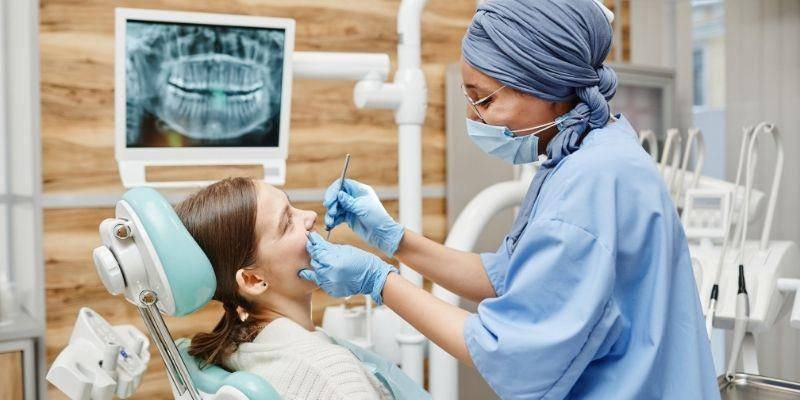
Dental emergencies are sudden problems with your teeth or gums that need quick attention to prevent more damage or pain. Knowing what makes an issue urgent helps you decide when to get care right away or if you can wait for a regular appointment.
Some dental problems can become serious if ignored. In fact, on average, nearly 1.94 million emergency department visits per year in the US are due to tooth disorders, highlighting the importance of timely care.
Definition and Types
A dental emergency is any tooth or gum issue that requires fast treatment to stop pain, bleeding, infection, or damage. Emergencies often involve severe pain, broken or knocked-out teeth, uncontrolled bleeding, or swelling.
There are three main types:
- Traumatic emergencies:broken, loosened, or knocked-out teeth from accidents or falls
- Infectious emergencies:severe infections causing pain, swelling, or fever
- Post-procedural emergencies:complications after dental work like persistent bleeding or “dry socket”
Understanding these helps you know what kind of care you might need.
Recognizing Urgent Conditions
Certain signs show you need immediate dental help. Severe pain that doesn’t go away after taking painkillers is a key warning.
Swelling around your face or neck, uncontrolled bleeding in your mouth, or a tooth that has been knocked out should be treated quickly. If you have trouble breathing or swallowing, those are serious signs to get emergency care at an emergency room or urgent dental clinic.
Minor chips or loose fillings may wait, but pain, swelling, or bleeding usually mean you should contact a dentist fast.
If you experience any of these symptoms in Wilmington, NC, contact us immediately to prevent permanent damage.
When to Seek Immediate Help
You should head to an emergency room or emergency dental clinic if you have:
- Severe bleeding that won’t stop within 10 minutes
- A knocked-out tooth that you can try to save by keeping moist
- Intense pain with swelling or fever
- Difficulty breathing or swallowing caused by a dental problem
For less severe issues, call your dentist to see if you can wait for an appointment. When in doubt, getting care quickly stops problems from getting worse and can save your tooth and your health.
Most Common Dental Emergencies
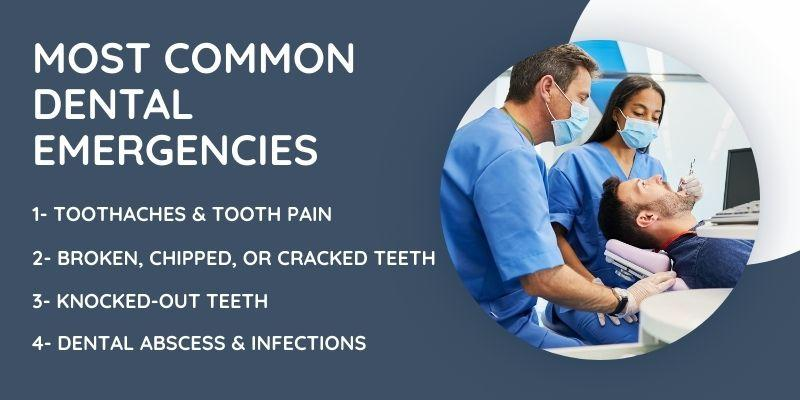
Dental problems can cause sharp pain and make it hard to eat or speak. Some emergencies need quick care to stop pain and avoid more damage.
Knowing what to do can help you manage these problems until you see a dentist.
Toothaches and Tooth Pain
Toothaches come from many causes like cavities, infection, or a cracked tooth. The pain can be dull or sharp and may get worse when you eat or drink hot or cold foods.
If you have a toothache, try rinsing your mouth with warm salt water. Over-the-counter pain relievers like acetaminophen can help reduce pain.
Avoid very hot, cold, or sugary foods that may irritate your tooth. If the pain lasts more than a day or gets worse, you should see your dentist.
Untreated tooth pain might mean you need a root canal treatment to save the tooth.
Broken, Chipped, or Cracked Teeth
If you break, chip, or crack a tooth, it can cause pain or make chewing difficult. A broken tooth might have sharp edges that can cut your mouth.
Rinse your mouth gently with warm water. Use a cold compress on your face to reduce swelling and take pain relievers like acetaminophen if needed.
Avoid chewing on the damaged side. Protect any pieces of the tooth and bring them along to your dental visit.
Your dentist can repair the tooth with fillings, crowns, or bonding depending on the damage.
Knocked-Out Teeth
A knocked-out tooth is an urgent emergency where time matters. If your tooth is completely knocked out, try to find it quickly.
Hold the tooth by the crown (the chewing part), not the root. Rinse it gently with water if dirty, but don’t scrub it.
If possible, put the tooth back in its socket right away. If you can’t, keep it moist in milk or your saliva until you get to a dentist.
Act fast because your chance to save the tooth is best within 30 minutes to an hour after the injury. Over 5 million teeth are knocked out each year in the US alone, so knowing how to react can make the difference between saving and losing your tooth.
Dental Abscess and Infections
A dental abscess is a painful infection near the root of a tooth or in the gums. It causes swelling, fever, and intense throbbing pain.
If left untreated, the infection can spread and become serious. You can rinse your mouth with warm salt water to ease discomfort, but this won’t cure the infection.
Pain relievers like acetaminophen may help until you see a dentist. The dentist will likely need to drain the abscess and may give you antibiotics.
Sometimes, a root canal treatment or tooth extraction is necessary to remove the infection.
Facing a dental emergency like pain, a broken tooth, or an infection? Contact us right away to protect your smile.
Other Urgent Dental Issues
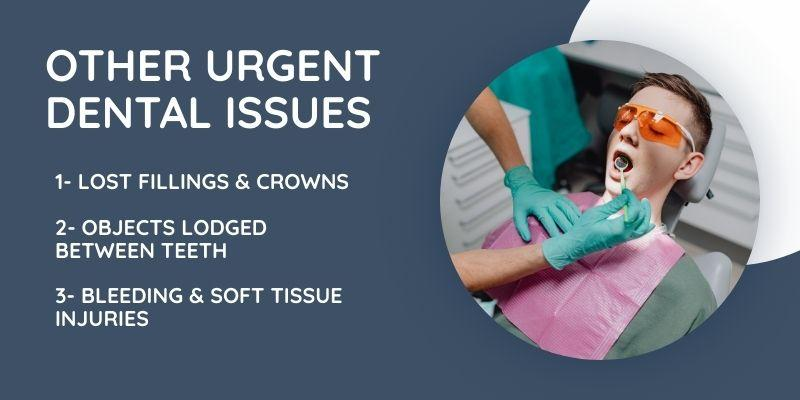
Sometimes dental problems aren’t about broken or knocked-out teeth. You might deal with lost fillings, something stuck between your teeth, or bleeding and injuries inside your mouth.
Knowing what to do quickly can help you avoid pain and more damage.
Lost Fillings and Crowns
If you lose a filling or crown, it can leave your tooth exposed and sensitive. The tooth might hurt when you eat or drink hot, cold, or sweet foods.
This can also let bacteria in, increasing the risk of infection. Keep the filling or crown if you find it.
You can protect the tooth temporarily by applying dental cement from a pharmacy. Avoid chewing on that side to prevent further damage.
A lost filling or crown means you should see your dentist soon. Waiting can cause more problems and might mean you need a root canal or even tooth removal.
If you experience severe pain or swelling, get emergency care immediately.
Objects Lodged Between Teeth
If something gets stuck between your teeth, like food particles or dental floss snaps inside, it can cause pain and swelling. Try gently rinsing your mouth with warm water to remove the object.
You can also use dental floss carefully to dislodge it, but don’t force it into the gums. If you can’t remove the object or you feel sharp pain, swelling, or bleeding, contact your dentist right away.
Leaving objects stuck can cause gum irritation, infection, and increase your risk of gum disease.
Bleeding and Soft Tissue Injuries
Bleeding in your mouth after an injury or dental work can sometimes be serious. If bleeding doesn’t stop after 15-20 minutes of applying pressure with a clean cloth or gauze, it is called uncontrolled bleeding and needs urgent attention.
Soft tissue injuries include cuts or bruises to your gums, tongue, cheeks, or lips. These can be painful and may swell or bleed a lot.
If a cut is deep, it might need stitches from a dentist or emergency room. Keep the injured area clean and avoid touching it.
Use a cold pack to reduce swelling and try not to eat hard or spicy foods until it heals. If bleeding or pain gets worse, seek emergency care quickly.
Orthodontic and Appliance Problems
You might face some issues with your braces or orthodontic appliances that need quick attention. Knowing how to handle these problems can help you avoid pain and keep your treatment on track.
Broken Braces and Wires
If a wire breaks or sticks out and pokes your cheek or gums, it can be painful. Cover the sharp end with orthodontic wax to protect your mouth from cuts.
Try not to move or pull on the broken wire yourself because that can make things worse. If the wire is causing a lot of pain or looks damaged, call your orthodontist as soon as possible.
They can fix it properly. A broken brace or wire cannot be ignored.
Leaving it untreated might slow down your treatment or lead to mouth sores.
Loose Brackets and Bands
Loose brackets or bands can feel uncomfortable or even hurt your mouth. Sometimes they may come off completely.
If this happens, use orthodontic wax to hold the loose part in place temporarily. Avoid pulling at the bracket or band.
Keep the area clean and don’t eat hard foods that might make the problem worse. Contact your orthodontist when you notice looseness.
They will reattach or replace the bracket or band to keep your braces working well.
Mouthguard and Retainer Emergencies
If your mouthguard or retainer breaks, it can stop protecting your teeth or allow them to shift. A cracked mouthguard won’t guard you during sports, and a broken retainer might let your teeth move back.
Don’t try to fix these devices yourself. Keep broken pieces safe and call your orthodontist to get a replacement or repair quickly.
Wearing your mouthguard during activities is important to avoid damage to your braces or teeth. A well-fitted retainer keeps your teeth straight after braces come off.
Preventing Dental Emergencies
Taking solid steps every day can help you avoid many dental problems. This includes keeping your mouth clean, protecting your teeth during activities, and catching issues early before they turn into emergencies.
Oral Hygiene and Regular Dental Visits
Brushing twice a day with a soft-bristle toothbrush is key to stopping tooth decay and gum disease. Don’t forget to floss daily to remove food and plaque between your teeth where brushing can’t reach.
Using an antibacterial mouthwash can also help lower harmful bacteria. Seeing your dentist regularly, usually every six months, lets them spot early signs of cavities, gingivitis, or periodontitis.
Early care can stop these from becoming severe problems. Your dentist can also check for signs of TMJ trouble or stress that might need an oral surgeon’s attention.
Protective Measures in Daily Life
Wearing a mouthguard during sports guards your teeth from chips, breaks, or knocked-out teeth. Avoid chewing on hard things like ice, pens, or popcorn kernels since they can crack or chip teeth.
Be careful with sticky or hard foods that can damage fillings or crowns. If you grind your teeth or clench your jaw, consider a night guard to protect your smile and reduce jaw pain.
Taking these protective steps lowers your risk of injuries or dental emergencies.
Managing Dental Conditions Proactively
Don’t ignore early warning signs like tooth sensitivity, bleeding gums, or jaw pain. These might signal issues that need quick action.
If you catch problems early, like cavities, gum infections, or broken orthodontic appliances, you can avoid pain and more complex dental treatments later. Managing discomfort and conditions with the help of your dentist or oral surgeon keeps your mouth healthy and strong.
Always ask for advice on how to best care for your specific dental needs.
Learn more about preventive care and book your routine dental checkup today to protect your smile before emergencies occur.
Frequently Asked Questions
Knowing how to act quickly can save your tooth and ease pain. You can take simple steps to protect your teeth and mouth until you get professional help.
What should I do if I knock out a tooth?
Find the tooth and hold it by the crown, not the root. Rinse it gently with water if it’s dirty.
Try to put it back in the socket without forcing it. If you can’t, keep it in milk or saliva and see a dentist right away.
How can I manage a severe toothache until I see a dentist?
Rinse your mouth with warm water to clean it. Use a cold compress on your cheek to reduce pain and swelling.
Take over-the-counter pain medicine like ibuprofen. Avoid very hot, cold, or sweet foods.
What are the steps to handle a chipped or broken tooth?
Save any pieces if you can. Rinse your mouth with warm water to clean it.
Use a cold compress to reduce swelling. Avoid chewing on the broken side.
See your dentist as soon as possible for repair.
Who do I contact for a dental emergency outside of normal business hours?
Check if your regular dentist has an emergency contact number. You can also go to an emergency dental clinic or, if it’s severe like uncontrollable bleeding or swelling, visit the hospital emergency room.
Is it possible to prevent dental emergencies, and how?
Wear protective gear like mouthguards during sports. Maintain good oral hygiene by brushing and flossing daily.
Avoid chewing hard objects like ice or pens. See your dentist regularly for checkups to catch problems early.
How do I know if a dental issue is an emergency or can wait for a regular appointment?
If you have severe pain, swelling, bleeding, or a knocked-out tooth, it’s an emergency.
Mild tooth pain or loose fillings usually can wait.
If you’re unsure, contact your dentist for advice.