
A root canal saves an infected or damaged tooth, but the treatment leaves the tooth weaker than before. You might wonder if the procedure alone is enough or if additional steps are needed to keep your tooth healthy.
Most dentists recommend placing a dental crown on root canal treated teeth because the tooth becomes more fragile and prone to breaking without extra protection.
The crown after root canal acts like a helmet that covers and strengthens the tooth so it can handle normal chewing and biting.
Not all teeth need crowns after root canal treatment, but back teeth that do heavy chewing work usually do.
Understanding why crowns matter helps you make smart choices about your dental care. The right crown material and proper timing can make your treated tooth last for many years.
Key Takeaways
- Root canal treatment weakens tooth structure, and dental crowns protect the tooth from cracking under normal use
- Different crown materials work better for different teeth based on location and how much tooth structure remains
- Proper care and regular dental visits help crowned teeth last 10 to 15 years or longer
Why Protection Is Needed After a Root Canal
Root canal treatment removes infected tissue from inside your tooth, but this process weakens the remaining structure.
The tooth becomes more prone to breaking under normal chewing forces, which is why additional protection is usually necessary.
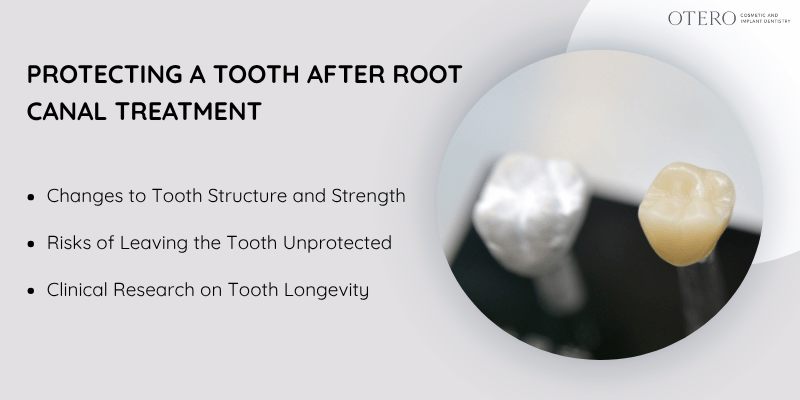
Changes to Tooth Structure and Strength
During the root canal procedure, your dentist removes the pulp, nerves, and blood vessels from inside your tooth. This means the tooth no longer receives nutrients or moisture from within.
Without this internal support, the tooth becomes more brittle over time.
The access opening created to perform the treatment also removes additional tooth structure. Your dentist must drill through the top of the tooth to reach the canals inside.
This creates a hollow space that further weakens the tooth.
Back teeth face particularly high pressure during chewing. Molars can experience forces of 150 to 200 pounds per square inch when you bite down.
Root canal treated teeth have less ability to withstand these forces compared to healthy teeth with intact structure.
Risks of Leaving the Tooth Unprotected
Without proper protection, your treated tooth faces several risks. Fractures are the most common problem. The tooth can crack vertically down the root or break horizontally above the gum line.
These fractures often cannot be repaired and may require tooth extraction.
Bacteria can enter through cracks or gaps in temporary fillings. This leads to reinfection of the root canal system, which means you might need retreatment or even lose the tooth.
The quality of the crown or filling placed on top has a significant impact on long-term success.
Food particles and bacteria can also decay the remaining tooth structure. Since you no longer feel pain signals from the tooth’s interior, decay can progress without symptoms until major damage occurs.
Clinical Research on Tooth Longevity
Studies show that protected teeth last significantly longer than unprotected ones. The type and quality of the final restoration affects long-term success of root canal treatment.
Crowns are strongly recommended in most cases to protect the weakened tooth from fracture under normal chewing pressure. The research shows that the root canal procedure is only half the treatment.
The crown completes it and helps ensure your long-term oral health.
Teeth that receive proper restoration after treatment have higher survival rates over five and ten-year periods. The investment in protection helps you keep your natural tooth functioning properly for many years.
How Dental Crowns Safeguard Treated Teeth
A dental crown acts as a protective shield for your tooth after root canal therapy, addressing the structural weakness left behind while preventing future damage.
Crowns restore your tooth’s strength and seal it from harmful bacteria that could cause additional problems.
Reinforcing Weakened Tooth Structure
Root canal treated teeth lose significant strength during the procedure. Your dentist removes the infected pulp and creates an access opening through the top of your tooth.
This process removes healthy tooth structure along with the diseased tissue.
The walls of your tooth become thinner and more brittle after treatment. Back teeth like molars and premolars face especially high risk because they handle intense chewing forces every day.
A crown provides strength and durability by covering the entire visible portion of your tooth. The crown distributes biting pressure evenly across the tooth surface.
This prevents cracks and fractures that could lead to tooth loss.
Without a crown, your treated tooth might break during normal eating. Front teeth with minimal damage may only need a filling, but most back teeth require the extra protection that crowns offer.
Sealing Against Reinfection and Decay
Your root canal removes bacteria from inside your tooth, but the tooth remains vulnerable to new infections. A crown creates a tight seal over the treated tooth that blocks bacteria from entering.
The seal prevents food particles and bacteria from reaching the inner tooth structure. Dental crowns protect against further infections that could compromise your root canal treatment.
Gaps or cracks in a filling might allow bacteria to seep back into the tooth.
A properly fitted crown eliminates these weak points. You get long-term protection that helps your treated tooth last for many years.
This protective barrier works continuously to keep your tooth healthy and functional.
Restoring Chewing and Biting Function
After root canal treatment, your tooth needs full restoration to work properly again. A crown brings back your tooth’s original shape and size so you can chew normally.
Crowns restore functionality by recreating the natural contours of your tooth. You’ll be able to bite down with confidence without worrying about damaging the treated tooth.
The crown surface is designed to match your natural bite pattern.
Your other teeth won’t have to compensate for a weakened tooth anymore. This prevents uneven wear on your remaining teeth and maintains proper jaw alignment.
You can eat your favorite foods without pain or concern about tooth breakage.
Types of Crowns and Choosing the Right Material
After a root canal, your dentist will help you select the best permanent crown material based on which tooth needs restoration, your budget, and whether you have any metal allergies.
Different crown materials offer unique benefits in terms of strength, appearance, and cost.
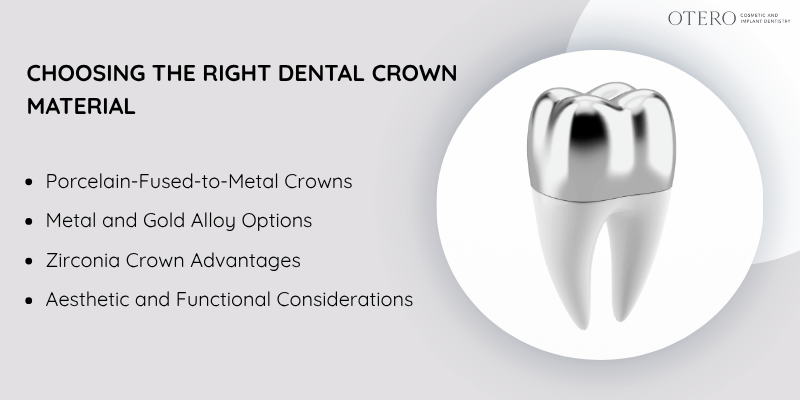
Porcelain-Fused-to-Metal Crowns
Porcelain-fused-to-metal crowns combine a metal base with a porcelain outer layer. This design gives you both durability and a natural tooth color. Your dentist can match the porcelain to your existing teeth.
The metal underneath provides strength for chewing and biting forces. The porcelain coating makes the crown look like a real tooth. These crowns work well for both front and back teeth.
One drawback is that the porcelain can chip over time. When this happens, the metal underneath may show through. The porcelain may also wear down the teeth that bite against your crown.
Porcelain-fused-to-metal crowns last almost as long as metal crowns and cost less than all-ceramic options. They’re a popular middle-ground choice for a crown after root canal treatment.
Metal and Gold Alloy Options
Metal crowns are made from gold, palladium, nickel, or chromium. These crowns rarely chip or break. They last the longest of all crown materials.
Your dentist only needs to remove a small amount of tooth structure for a metal crown. This preserves more of your natural tooth. Metal crowns handle biting and chewing pressure extremely well.
The biggest downside is the metallic color. Most people don’t want visible metal crowns on front teeth. Metal crowns work best for molars that aren’t visible when you smile.
Gold alloy crowns are gentle on opposing teeth. They cause less wear than other materials. If you have a metal allergy, tell your dentist before choosing this option.
Zirconia Crown Advantages
Zirconia crowns are made from zirconium dioxide, a type of ceramic material. These crowns are extremely strong and durable. They can handle heavy chewing forces better than other ceramic options.
A zirconia crown looks natural and matches your tooth color well. The material is biocompatible and works well if you have metal sensitivities. Zirconia crowns are gentle on opposing teeth, causing less enamel wear.
These crowns resist chipping better than porcelain-fused-to-metal options. They work for both front and back teeth. Zirconia crowns typically cost more than metal or porcelain-fused-to-metal crowns.
The strength and natural appearance make zirconia crowns a top choice for root canal-treated teeth. They protect weakened teeth while maintaining a beautiful smile.
Aesthetic and Functional Considerations
Where your tooth is located affects which crown material works best. Front teeth need materials that look natural, like zirconia or all-ceramic crowns. Back teeth require durable materials that can handle chewing pressure.
Your budget plays a role in selecting dental crowns. Metal and porcelain-fused-to-metal options typically cost less. Zirconia and all-ceramic crowns have higher price tags but offer better aesthetics.
Consider how much force the tooth experiences daily. Molars need stronger materials than front teeth. If you grind your teeth at night, durability becomes even more important.
Talk to your dentist about any metal allergies or sensitivities you have. This information helps narrow down safe crown materials for you.
Your dentist will recommend the best option based on your specific situation and needs.
The Crown Placement and Restoration Process
Getting a crown after root canal treatment involves several steps that typically take place over two dental visits.
Your dentist will prepare your tooth, create impressions, fit you with a temporary crown, and then place the permanent restoration once it’s ready.
Tooth Preparation and Impressions
Your dentist will reshape the tooth that received the root canal to make room for the crown. This involves removing a small amount of tooth structure from all sides and the top surface.
The amount removed depends on the crown material being used.
After shaping, your dentist takes detailed impressions of your prepared tooth and the surrounding teeth. These impressions can be made using traditional putty-like material or with digital scanning technology.
The impressions capture the exact shape and position of your teeth so the dental lab can create a crown that fits perfectly.
Your dentist will also determine the right shade for your crown by comparing color samples to your natural teeth. This ensures your new crown blends in with your smile.
Temporary Crown vs. Permanent Crown
A temporary crown protects your tooth while the permanent one is being made at the dental lab.
This temporary restoration is usually made from acrylic or composite resin and is held in place with temporary cement that’s easy to remove later.
You’ll need to be careful with your temporary crown because it’s not as strong as the permanent version. Avoid sticky or hard foods on that side of your mouth and be gentle when brushing and flossing around it.
The permanent crown is custom-made from materials like porcelain, ceramic, or porcelain-fused-to-metal. It takes about two to three weeks for the lab to create your final restoration.
The Final Fitting and Bonding
At your second appointment, your dentist removes the temporary crown and cleans the tooth thoroughly. They’ll check the fit, shape, and color of your permanent crown before cementing it in place.
Your dentist will make sure the crown fits snugly against your gum line and doesn’t interfere with your bite.
You’ll be asked to bite down and move your jaw to confirm the crown feels comfortable. Minor adjustments can be made if needed.
Once everything looks and feels right, the crown is placed over the treated tooth using strong dental cement. Your dentist will remove any excess cement and polish the crown.
The entire crown placement process is essential for long-term health and functionality of your root canal treated tooth.
Long-Term Care and Success of Crowned Teeth
Proper maintenance and regular monitoring are essential for keeping your crowned tooth healthy for many years.
Following good oral hygiene practices and attending routine dental visits will help you avoid complications and extend the life of your restoration.
Oral Hygiene Guidelines
Your crowned tooth needs the same care as your natural teeth. Brush twice daily with a soft-bristled toothbrush and fluoride toothpaste, paying special attention to the area where the crown meets your gum line.
Bacteria can accumulate in this space and cause decay or gum disease.
Floss at least once per day around your crowned tooth. Use gentle up-and-down motions rather than snapping the floss, which could dislodge the crown.
Consider using a water flosser if traditional floss feels difficult to use around your restoration.
Avoid chewing ice, hard candies, or using your teeth to open packages. These habits can crack or damage your crown.
If you grind your teeth at night, ask your dentist about a nightguard to protect both your crown and natural teeth from excessive wear.
Importance of Regular Dental Checkups
Schedule dental checkups every six months to monitor your crowned tooth. Your dentist will examine the crown for signs of wear, check the seal between the crown and tooth, and look for any developing problems.
Early detection of issues prevents more serious complications later.
Professional cleanings remove plaque and tartar buildup that regular brushing misses. Your hygienist will carefully clean around the crown margins where bacteria tend to collect.
These visits are crucial for maintaining your long-term oral health.
Research shows that crowns on root canal treated teeth require careful monitoring to ensure continued success.
Your dentist may take x-rays periodically to check the tooth structure beneath the crown and verify that no infection has developed.
Maximizing Crown Lifespan
The type of restoration you receive affects durability. Studies indicate that full-coverage crowns demonstrate superior success and survival rates due to their fracture resistance and effective stress distribution.
Most dental crowns last 10 to 15 years with proper care, though some last much longer.
The timing of your crown placement matters too. Getting your crown soon after your root canal protects the weakened tooth structure from fractures.
Delays in restoration increase the risk of tooth damage or treatment failure.
Your diet choices impact crown longevity. Limit sugary foods and acidic beverages that can erode the tooth structure around your crown.
Drink plenty of water throughout the day to wash away food particles and maintain healthy saliva flow, which naturally protects your teeth.
Frequently Asked Questions
Many people have questions about timing, costs, and what to expect when getting a crown after root canal treatment.
Understanding the lifespan of untreated teeth and the crown placement process can help you make informed decisions about your dental care.
How long can a tooth last after a root canal if I don’t get a crown?
A tooth without a crown after a root canal can last anywhere from a few months to several years, but it faces a much higher risk of fracture.
The exact timeline depends on which tooth was treated and how much biting force it handles daily.
Back teeth like molars take on the most chewing pressure. These teeth are especially vulnerable without crown protection.
Front teeth experience less force and may survive longer without a crown, though they’re still at risk.
The problem isn’t just time passing. It’s that the tooth can crack suddenly and without warning while you’re eating. When a tooth fractures below the gum line, it often can’t be saved and requires extraction.
Will it hurt to get a crown placed after a root canal?
Getting a crown placed after a root canal typically doesn’t hurt. Your dentist will use local anesthetic to numb the area before shaping the tooth.
You might feel pressure during the appointment, but you shouldn’t feel pain. The root canal already removed the nerve tissue from inside the tooth, so the tooth itself has less sensation than before.
After the numbing wears off, you may have minor soreness in your gums for a day or two. This is normal and usually responds well to over-the-counter pain relievers.
Is it okay to wait a few weeks or a month before getting a crown after a root canal?
Waiting a few weeks to get a crown is generally acceptable, but you should avoid waiting too long. Most dentists recommend getting your permanent crown within two to four weeks after root canal treatment.
Your dentist will place a temporary crown or filling to protect the tooth while your permanent crown is being made. This temporary protection helps, but it’s not designed to last for months.
The longer you wait, the higher your risk of the tooth cracking or the temporary restoration failing. If you need to delay the appointment, talk to your dentist about your specific situation.
What types of crowns are available after a root canal, and how do I choose?
Several crown materials are available depending on the tooth’s location and how much structure remains. Porcelain crowns look most natural and work well for front teeth where appearance matters.
Porcelain-fused-to-metal crowns offer strength and reasonable appearance. They’re often used for back teeth that need to handle heavy chewing forces.
Gold crowns are extremely durable and cause minimal wear on opposing teeth. Zirconia crowns provide high strength and good appearance, making them a popular choice for both front and back teeth.
Your dentist will recommend the best option based on which tooth needs the crown, how much biting force it handles, and your budget. Location matters because front teeth show more when you smile.
Can a root canal be done through an existing crown, and how successful is it?
Yes, a root canal can be done through an existing crown in many cases. Your dentist will create a small access hole through the top of the crown to reach the tooth’s interior.
The success rate is similar to root canals done on teeth without crowns. After completing the root canal, your dentist will seal the access hole with a strong filling material.
Sometimes the existing crown may need replacement if it’s old, damaged, or doesn’t fit properly anymore. Your dentist will evaluate the crown’s condition and let you know if it can be kept or should be replaced.
How much does a crown after a root canal usually cost?
Crown costs typically range from $800 to $3,000 per tooth. The final price depends on your location, the material you choose, and whether you need additional work like a post and core buildup.
Gold and zirconia crowns usually cost more than porcelain-fused-to-metal options. If your tooth needs a post and core buildup before the crown, expect to pay an additional $200 to $500 for that procedure.
Most dental insurance plans cover about 50% of crown costs after your deductible, since crowns are classified as major restorative procedures.
Check with your insurance provider before treatment to understand your out-of-pocket costs. Many dental offices offer payment plans if you need to spread out the expense.