
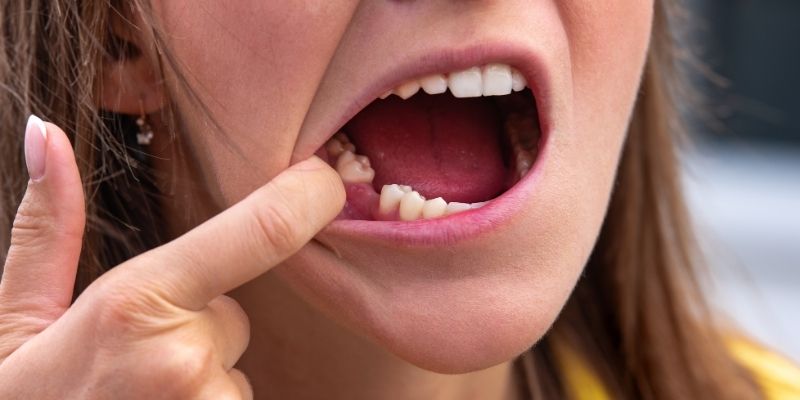
After having a tooth pulled, you might expect some discomfort. But sometimes, a more painful problem called dry socket can happen when the blood clot that helps your mouth heal doesn’t form properly or gets dislodged.
Dry socket causes sharp pain and delays healing because the bone and nerves in the empty socket are left exposed.
You’ll usually notice dry socket a few days after your tooth removal, with pain that can spread to your ear or face. Knowing the signs early can help you get treatment faster and prevent the pain from getting worse.
Understanding what causes dry socket and how to care for your mouth after the extraction can reduce your risk.
This guide will help you spot dry socket symptoms. It will also explain what might be causing it and show you the best ways to ease your pain and heal well.
Key Takeaways
- Dry socket causes intense pain when the healing clot is lost.
- Early care and attention help prevent complications after tooth removal.
- Treatment and proper home care speed up healing and reduce pain.
What Is a Dry Socket?

Dry socket is a common problem that can happen after your tooth is pulled. It causes pain because the area where your tooth used to be doesn’t heal as it should.
For routine extractions, dry socket occurs in about 0.5% to 5.6% of cases. While it’s relatively uncommon, the risk is higher for more complex extractions, such as wisdom teeth removals.
Understanding what causes this condition and how healing normally works can help you spot it early.
How Dry Socket Develops
After your tooth extraction, your body needs to heal the empty space in your gum. Usually, a blood clot forms there to protect the bone and nerves underneath.
Sometimes, this clot either doesn’t form or gets washed away too soon. When that happens, the bone and nerves become exposed.
This exposure causes pain that can be sharp and strong. It also slows down healing because the tissue isn’t protected.
Dry socket is more likely after removing wisdom teeth or if you touch the area too much. Smoking or using a straw can also increase the risk because they can disturb the clot.
The Importance of Blood Clot Formation
The blood clot acts like a natural bandage. It blocks the empty socket from debris and bacteria.
It also helps new tissue grow when your body repairs the site. If the clot is lost, your socket looks empty and may have a whitish bone showing.
You should never try to remove the clot yourself, as it’s crucial for your recovery. Protecting the clot by following your dentist’s care instructions is the best way to avoid dry socket.
This includes avoiding things like vigorous rinsing or heavy physical activity right after your extraction.
Recognizing Dry Socket Symptoms
After a tooth extraction, your mouth starts healing, but sometimes this process can hit a snag. You might feel sharp pain or notice changes around the extraction site.
Paying attention to these signs early on helps you know if you have dry socket and need to act.
Common Signs and Timeline
Dry socket usually shows up 2 to 4 days after your tooth removal. The main sign is severe pain that gets worse instead of better.
This pain might spread to your ear, jaw, or temple and can come and go in sharp waves. You may also notice a bad smell or unpleasant taste in your mouth.
Chewing can hurt, especially on the side where the tooth was pulled. These symptoms are more intense than normal discomfort after oral surgery.
Visual Appearance of the Socket
You might feel like the spot where the tooth was taken looks “empty” or hollow. Instead of seeing a red or blood-filled socket, you could notice a dry or grayish color, sometimes with visible bone inside.
There might be a white or yellowish film, which is usually not a sign of infection but shows the clot is missing. If you examine the spot and don’t see the usual blood clot covering the bone, this is a warning sign of dry socket.
When to Contact Your Dentist
It’s important to call your dentist if your pain becomes unmanageable or increases sharply after the first few days. Contact them if you notice any pus, fever, or swelling in your gums or face, signs that might point to infection instead.
You should also reach out if you have trouble opening your mouth, bleeding that won’t stop, or numbness around the extraction area. Early treatment can help ease pain and avoid complications after oral surgery.
If you suspect dry socket, schedule a dental checkup right away to prevent the pain from getting worse.
Main Causes and Risk Factors

Certain things make it more likely for you to develop dry socket after a tooth extraction. How your tooth is removed, habits you have, and medicines you take all play a role.
Knowing these details can help you avoid problems and heal faster.
Surgical Technique and Oral Hygiene
The way your dentist or oral surgeon removes your tooth affects your healing. A difficult extraction with more trauma to the gums and bone can raise your risk for dry socket.
When the surgical site is injured, the blood clot may not stick well. Keeping your mouth clean is also important.
Poor oral hygiene around the extraction area can cause infection or tissue damage. This stops the clot from forming or staying in place, which can expose the bone and cause pain.
Simple steps like gently rinsing with salt water and following cleaning instructions help protect the healing site and lower your chance of dry socket.
Impact of Smoking and Suction
Smoking is one of the biggest risks for dry socket. The sucking action from inhaling cigarette smoke can pull the blood clot out of the socket.
Chemicals in tobacco also slow down healing and increase infection risk. Using straws after your extraction works the same way.
In fact, a systematic review found that the incidence of dry socket was about 13.2% in smokers, compared to only about 3.8% in non‑smokers.
The suction caused by smoking, combined with the chemicals in tobacco, can significantly raise your risk of developing dry socket.
Avoid smoking or using straws for at least a week after your tooth removal to reduce your risk.
Medications and Hormonal Influences
Some medicines and hormones can affect your body’s ability to heal after tooth extraction. For example, birth control pills or hormone therapy may raise your chance of dry socket.
These hormones can change blood flow and clot stability. Certain medications, like those that thin your blood, can also make it harder for a clot to form or stay put.
If you take medicines regularly, tell your dentist or surgeon before your procedure. They can give you special instructions to reduce risk and ensure your recovery goes smoothly.
Treatment and Recovery Options

When you have dry socket, treating the pain and promoting healing are the main goals. You may need care from your dentist or oral surgeon, along with some steps you can take at home to help your recovery.
Professional Dry Socket Care
Your dentist or oral surgeon will first check if your dry socket has exposed bone or lost the blood clot. They might gently flush the socket to remove food particles or debris that can cause more pain or infection.
After cleaning, they often place a medicated dressing inside the socket. This helps cover the exposed bone and soothes the nerves.
The dressing may need to be changed a few times until your symptoms improve. Sometimes, your dentist may suggest an X-ray to make sure there are no remaining bone fragments or infection.
If your pain is severe, they might also prescribe pain medication to help you feel better.
Medicated Dressing and Pain Management
Medicated dressings usually contain soothing substances like anesthetics or anti-inflammatory agents. These dressings reduce pain quickly and protect the dry socket area from irritation.
You may feel some relief right after the dressing is placed. However, it can need replacement every few days until your mouth heals.
For pain, your dentist might recommend over-the-counter painkillers or stronger prescription options depending on how bad the pain is. Always follow the prescription guidance.
At-Home Self-Care Tips
Once your dentist removes the dressing, keeping the socket clean is important. You can use a plastic syringe with a curved tip to gently rinse the socket with warm salt water or a prescribed rinse.
Avoid smoking, using straws, or drinking carbonated drinks. These actions can dislodge the clot again or slow healing.
Drink plenty of clear fluids, and brush your other teeth gently, avoiding the dry socket area. Taking your pain medicine as directed and following your dentist’s instructions helps you heal faster and feel more comfortable.
If you’re in Wilmington and your symptoms aren’t improving, reach out to us for prompt relief and proper care.
Prevention Strategies and Advanced Techniques
Taking good care after tooth extraction can greatly lower your chance of dry socket. Simple habits, new dental methods, and clear instructions help your mouth heal well and protect the blood clot that shields the socket.
Steps to Reduce Dry Socket Risk
You can reduce dry socket risk by avoiding actions that disturb the clot. Don’t use straws or smoke for at least 24 to 72 hours after your extraction, as sucking or smoking can pull the clot loose.
Stick to soft foods like yogurt, mashed potatoes, or smoothies (without a straw) during the first day. Avoid crunchy, hard, or sticky foods until your dentist says it’s safe to eat them.
Also, keep your mouth clean, but avoid rinsing the first 24 hours to protect the clot. After that, gently rinse with salt water to prevent infection and help healing.
Rest and avoid heavy exercise, which can raise blood pressure and dislodge the clot.
Role of Platelet-Rich Fibrin
Platelet-rich fibrin (PRF) is a newer method that helps speed healing after tooth extraction. PRF is made by spinning your blood in a machine to concentrate platelets and growth factors.
When placed on the extraction site, PRF supports clot formation and tissue growth. This technique reduces pain and swelling, and lowers the chance of dry socket.
Dentists often use PRF during wisdom tooth removals or complex extractions to help your body heal faster and better. Tell your dentist if you want to learn more about PRF and if it’s an option for your procedure.
Post-Extraction Aftercare Instructions
Following your dentist’s aftercare advice is key to avoiding dry socket. Use gauze and bite down firmly for at least 30 to 45 minutes right after the extraction to help the clot form.
Take any prescribed or approved pain medicine, but avoid aspirin because it can thin your blood. Elevate your head when you rest to reduce swelling.
Use an ice pack on your cheek for 10 minutes on and 5 minutes off on the first day to ease pain and swelling. Keep your mouth clean, but don’t brush or floss near the extraction site for a few days.
After the first day, rinse gently with warm salt water several times a day to keep the area clean. Call your dentist if you have bad breath, severe pain, or see bone in the socket.
Visit Otero Cosmetic & Implant Dentistry in Wilmington for expert care and guidance to ensure a smooth recovery.
Frequently Asked Questions
Dry socket usually causes pain that starts a few days after your tooth is removed. You might notice other signs like bad taste or smell, and the pain can spread to nearby areas.
What are the typical symptoms of a dry socket?
You might feel strong pain about 1-3 days after the extraction. The socket may look empty, without the blood clot that should be there.
There can be a bad smell or a bad taste in your mouth. You might also notice pain spreading to your ear, eye, or neck on the same side.
How can I differentiate between normal healing and a dry socket?
Normal healing usually involves mild pain that gets better each day. With dry socket, the pain tends to get worse instead of better after the first day or two.
If the area looks empty without a blood clot or you have bad breath or taste, it’s likely dry socket.
What treatments are available for a dry socket?
Your dentist can clean the socket to remove debris. They may place a medicated dressing on the wound to reduce pain.
Over-the-counter pain medicines like ibuprofen or acetaminophen are often recommended. Following up with your dentist is important to make sure the site heals.
Is experiencing a dry socket considered a serious condition?
Dry socket is painful but not usually dangerous if treated. It can slow down healing and cause ongoing pain.
In rare cases, it may lead to infection or bone problems if left untreated. Contact your dentist if your pain is severe or lasts too long.
What usually causes a dry socket after a tooth extraction?
A dry socket happens when the blood clot at the extraction site is lost or doesn’t form properly. Smoking, using straws, spitting forcefully, or poor mouth cleaning can cause this.
Some infections or difficult extractions, especially wisdom teeth, raise the risk too.
How painful is a dry socket and how is the pain measured?
Dry socket pain is often much stronger than normal post-extraction soreness. It can spread to your ear, eye, or neck and last several days.
Pain is usually rated higher on standard pain scales due to its intensity and the difficulty in managing it.