
Most people feel better within a few days after a root canal, but knowing when pain crosses the line from normal to concerning can save your tooth. While some discomfort is expected as you heal, certain symptoms signal that something has gone wrong and you need to call your dentist right away.
If you experience severe pain that gets worse after three days, swelling that spreads to your face or neck, a fever above 100.4°F, or pus draining from the treated area, these are signs of possible infection or complications that need immediate attention.
Understanding what’s normal during root canal recovery helps you recognize when your body is telling you something is wrong.
This guide walks you through the typical recovery timeline and shows you exactly which symptoms mean trouble. You’ll learn what to expect each day after treatment, how to spot red flags early, and when to pick up the phone to call your dentist.
Key Takeaways
- Most root canal discomfort improves within three days, but worsening pain or swelling signals a problem
- Warning signs like fever, severe swelling, or pus require immediate dental care to prevent complications
- Following proper aftercare instructions and attending follow-up appointments helps ensure smooth healing
Schedule a root canal follow-up in Hampstead, NC if your symptoms aren’t improving.
Understanding Root Canal Treatment And Why It’s Needed
Root canal treatment removes infected tissue from inside your tooth to stop pain and save the tooth from extraction. The procedure involves your dental team cleaning out damaged pulp, sealing the space, and protecting what remains of your natural tooth structure.

Infected Pulp And Tooth Pain
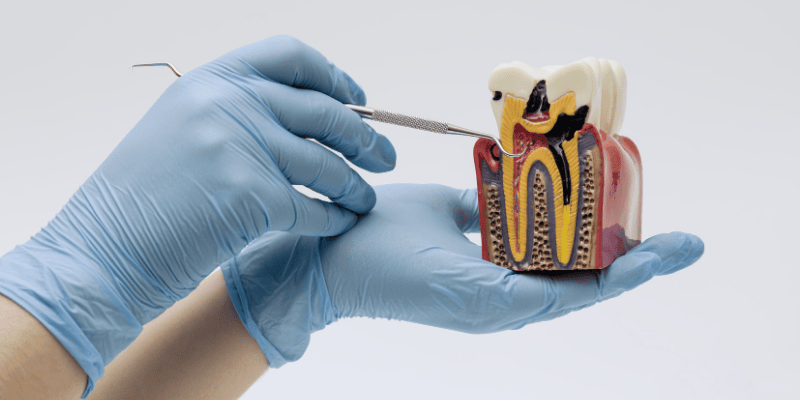
The pulp sits at the center of your tooth and contains nerves, blood vessels, and connective tissue. When bacteria reach this area through deep decay, cracks, or repeated dental work, an infection develops.
You’ll likely notice several signs that your pulp is infected. Sharp pain when biting down is common. Sensitivity to hot or cold temperatures that lingers after the source is removed points to pulp problems. Some people experience constant throbbing pain that keeps them awake at night.
Common symptoms of infected pulp include:
- Severe toothache that doesn’t go away
- Swelling in your gums near the affected tooth
- A pimple-like bump on your gums
- Darkening or discoloration of the tooth
- Tender or swollen lymph nodes in your neck
The infection won’t heal on its own. Without treatment, the bacteria spread beyond your tooth root into the surrounding bone, creating an abscess that can cause serious health problems.
How Root Canal Therapy Works
Your dentist or endodontist starts the root canal procedure by numbing the area with local anesthesia. They place a small protective sheet called a rubber dam around your tooth to keep it clean and dry during treatment.
The dentist creates a small opening in the top of your tooth to access the infected pulp chamber. Special instruments remove all the diseased tissue from inside the tooth and the narrow canals that run through your roots. Your dentist shapes these canals and flushes them with antibacterial solution to eliminate remaining bacteria.
After cleaning, they fill the empty space with a rubber-like material called gutta-percha. A temporary filling seals the opening until you return for a permanent crown. Most root canal therapy takes one or two appointments depending on the infection severity and which tooth needs treatment.
Role Of The Endodontist And Dental Team
An endodontist is a dentist who completed two to three additional years of specialized training in root canal treatment. They focus exclusively on saving teeth and treating complex cases that general dentists may refer to them.
Your general dentist can perform many root canals successfully. However, they might send you to an endodontist if your tooth has unusual anatomy, curved roots, or a stubborn infection. Endodontists use advanced tools like surgical microscopes and 3D imaging to see tiny details inside your tooth.
The dental team supporting your treatment includes dental assistants who prepare instruments and help during the procedure. Front office staff schedules your appointments and handles insurance questions. Dental hygienists may clean your other teeth and provide care instructions.
This coordinated approach ensures you receive complete care from start to finish.
Get urgent dental care in Hampstead, NC if you notice signs of infection after treatment.
Typical Root Canal Recovery Timeline
Recovery happens in stages, with most discomfort fading within the first week. Your mouth will feel numb initially, then you may notice mild tenderness that gradually improves as the treated tooth heals.
Immediately After The Procedure
Your mouth stays numb for a few hours after treatment ends. This numbness protects you from feeling any discomfort right away, but it also means you need to be careful.
Avoid eating until the numbness wears off completely. Biting your cheek or tongue is easy when you can’t feel your mouth properly.
You might notice some pressure or mild soreness once feeling returns. This is your body’s normal response to the procedure. Most people can return to light activities the same day.
Your dentist places a temporary filling to protect the tooth until your permanent restoration is ready. Be gentle with this tooth and avoid chewing hard foods on that side.
Days 2–3: Early Healing
The first few days mark the most common window for mild discomfort during your root canal recovery. Tenderness when chewing is normal as inflammation gradually decreases.
Over-the-counter pain relievers usually provide enough relief. Take them as directed by your dentist.
Your tooth may feel slightly tender to the touch or when you bite down. This sensitivity improves each day as healing progresses.
Stick to soft foods during this period. Avoid anything too hot, cold, or crunchy on the treated side.
What you might feel:
- Mild soreness around the tooth
- Tenderness when chewing
- Slight sensitivity to pressure
These symptoms should steadily improve, not worsen.
Week 1: Reduced Discomfort
Pain should be minimal or fully resolved by days 4–7 after treatment. Many people resume normal chewing during this time unless their dentist advises otherwise.
The treated tooth begins functioning comfortably again. You can gradually return to your regular diet as the area feels better.
If discomfort lingers beyond a week or gets worse instead of better, contact your dentist. This isn’t typical for normal healing.
Most patients return to work and regular activities within this timeframe. Your temporary filling continues protecting the tooth until you’re ready for the next step.
Week 2 And Beyond: Permanent Restoration
Once healing is complete, you’ll need a permanent crown or filling to restore full strength to your tooth. Back teeth usually require crowns because they handle more chewing pressure.
A permanent restoration protects the tooth long term and helps prevent future damage. Without it, the tooth remains vulnerable to breaking or cracking.
Your dentist schedules this appointment after the initial healing period. The crown or filling completes your treatment and allows the tooth to function normally again.
After your permanent restoration is placed, normal oral hygiene resumes fully. Brush and floss as usual to maintain the health of your treated tooth.
The tooth should feel comfortable and strong once the final restoration is complete. Long-term comfort and function are restored at this point.
Request an evaluation if your root canal symptoms worsen or don’t improve.
What’s Normal During Recovery
Most people experience mild discomfort and sensitivity for a few days after root canal treatment, and understanding what symptoms fall within the normal range helps you know when your healing is on track.
Expected Pain And Sensitivity
You’ll likely feel some soreness around the treated tooth during the first 24 to 48 hours of your root canal recovery. This discomfort usually feels like a dull ache or pressure rather than sharp pain.
Common sensations include:
- Mild tenderness when biting down
- Sensitivity to temperature that fades gradually
- A feeling of pressure around the tooth
The numbness from anesthesia wears off within a few hours after your procedure. Once feeling returns, you might notice the area feels tender or slightly swollen. Over-the-counter pain medication typically manages this discomfort well.
Most patients find that pain decreases significantly by day two or three. If you took prescribed medication, follow your dentist’s instructions carefully. By the end of the first week, you should feel mostly back to normal.
Gum Swelling And Tenderness
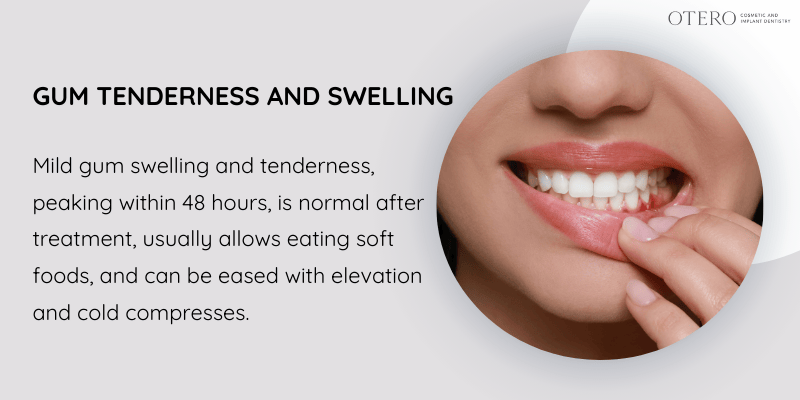
Some puffiness around your gums is a normal part of the healing process. Your gums might look slightly red or feel tender to the touch for the first few days.
This swelling happens because your body sends extra blood flow to the area to promote healing. The tissue around the treated tooth may feel softer than usual when you brush.
What’s considered normal:
- Mild swelling that peaks within 48 hours
- Tenderness that doesn’t prevent you from eating soft foods
- Slight discomfort when flossing near the treated area
The swelling should start going down after two days. Keeping your head elevated and applying a cold compress to your cheek can help reduce puffiness.
Temporary Fillings Vs. Crowns
Your dentist might place a temporary filling right after your root canal to seal the tooth until you return for a permanent restoration. This temporary filling protects the inside of your tooth but isn’t meant to last long-term.
A temporary filling feels different from your natural tooth and may seem slightly rough or raised. You’ll need to be careful when chewing on that side of your mouth. Avoid sticky or hard foods that could dislodge it.
Your permanent crown typically gets placed within a few weeks after your root canal recovery period. This crown provides lasting protection and restores full function to your tooth. The permanent crown looks and feels like a natural tooth once it’s cemented in place.
Until you get your permanent crown, treat the temporary filling gently to maintain your oral health and protect the treated tooth.
Warning Signs: Symptoms That Mean Trouble
Most root canal recovery involves mild discomfort that fades within days, but certain symptoms signal complications that need immediate attention. Recognizing warning signs after a root canal helps you protect your oral health and address problems before they worsen.
Worsening Or Returning Pain
Pain that gets worse instead of better after your root canal procedure indicates something isn’t right. You should expect discomfort to gradually decrease each day during normal healing.
Sharp, throbbing pain that interferes with sleep or daily activities requires evaluation by your endodontist. Pain when biting down or applying pressure to the treated tooth may mean the infection wasn’t fully removed during root canal treatment.
If pain returns weeks or months after your procedure felt fine, bacteria may have re-entered the tooth. Persistent pain often signals treatment failure that needs retreatment to save the tooth.
Swelling, Fever, And Signs Of Infection
Swelling around your treated tooth or in your face suggests infection has spread beyond the root canal area. A pimple-like bump on your gums near the tooth means an abscess has formed.
Call your dentist immediately if you notice:
- Fever above 100.4°F
- Swelling that makes it difficult to swallow
- Facial swelling that spreads or worsens
- Severe pain with visible pus or drainage
These symptoms of infection can become serious if left untreated. Your body’s immune system is telling you that bacteria are actively multiplying and need professional treatment.
Persistent Bad Taste Or Odor

A bad taste in your mouth or persistent bad breath that doesn’t improve with brushing may indicate ongoing infection. This happens when bacteria inside the treated tooth produce waste products.
The unpleasant taste often accompanies other symptoms like tenderness or mild swelling. While temporary bad taste immediately after your root canal procedure is normal, it shouldn’t last more than a few days.
If the bad taste continues beyond a week or returns after going away, contact your endodontist for evaluation.
Problems With Permanent Restorations
Your tooth needs a permanent crown or filling after root canal treatment to protect it from bacteria and damage. A loose crown or filling allows bacteria to enter the tooth and cause reinfection.
Watch for changes in how your bite feels or if the restoration feels rough or uneven. These issues compromise the seal that keeps your tooth safe from new infections.
If you notice your crown feels loose or you can move it with your tongue, schedule an appointment right away. A broken or cracked restoration needs immediate replacement to protect your oral health.
Tips For A Smooth And Comfortable Recovery
Taking the right steps after your root canal can make a big difference in how quickly you heal. Pain management, careful food choices, and proper dental care all work together to support your recovery.
Managing Discomfort With Pain Relievers
You’ll likely feel some soreness once the numbing medicine wears off. Over-the-counter pain relievers like ibuprofen or acetaminophen usually work well for most people.
Your dentist might recommend taking 400-600mg of ibuprofen every 6-8 hours for the first few days. If one type of pain reliever isn’t enough, you can alternate between ibuprofen and acetaminophen. Some dentists prescribe stronger medication for more complex cases.
Take pain medicine before the numbness fully goes away. This helps you stay ahead of the discomfort instead of waiting until pain gets worse.
Apply a cold compress to your cheek for 15 minutes at a time during the first 24-48 hours. This helps reduce swelling and numbs the area naturally. Never put ice directly on your skin.
Best Foods To Eat And What To Avoid
Stick to soft foods for the first few days while your tooth heals. Yogurt, smoothies, mashed potatoes, scrambled eggs, and soup are all good choices. Room temperature foods are usually more comfortable than very hot or very cold items.
Foods to avoid:
- Hard or crunchy foods like chips, nuts, or raw vegetables
- Sticky foods like caramel or gummy candy
- Foods that require lots of chewing like steak or bagels
- Very hot foods or drinks
You can gradually add normal foods back to your diet as you feel better. Eating soft foods and avoiding extreme temperatures helps prevent irritation to the treated tooth. Chew on the opposite side of your mouth until your dentist says it’s safe to use the treated tooth.
Oral Hygiene And Dental Follow-Ups
Good oral health habits are important for healing, but you need to be gentle around the treated area. Brush your teeth twice a day as usual, but use a soft-bristled toothbrush and be careful near the root canal site.
You can start flossing the day after your procedure. Just be gentle and don’t force the floss around the treated tooth. Rinse with warm salt water 2-3 times a day to keep the area clean and reduce swelling.
Your dental team will schedule follow-up visits to check your healing progress. These appointments are important even if you feel fine. Your dentist needs to make sure the infection is gone and the tooth is healing properly.
Most people need a permanent crown placed a few weeks after the root canal. Don’t skip this appointment because the temporary filling isn’t strong enough to protect your tooth long-term.
Long-Term Care And Protecting Your Treated Tooth
A root canal saves your tooth, but keeping it healthy long-term requires ongoing attention to dental visits and daily oral care habits. Your treated tooth needs the same protection as your other teeth, plus a few extra considerations.
Importance Of Regular Dental Visits
You should visit your dentist every six months for checkups and cleanings after your root canal. These visits let your dentist monitor the treated tooth and catch any problems early.
Your dentist will take X-rays to check that the tooth is healing properly and that no new infection has developed. They’ll also examine the permanent crown or filling to make sure it’s still sealed tightly. A loose or cracked restoration can let bacteria back into the tooth.
Regular cleanings remove plaque and tartar that can cause gum disease around your treated tooth. Getting a permanent crown or filling placed gives the tooth strength and protection for normal function. If you notice any changes like sensitivity, pain, or swelling between appointments, schedule a visit right away instead of waiting.
Maintaining Oral Health After A Root Canal
You need to brush twice daily and floss once daily to keep your treated tooth healthy. Use a soft-bristled toothbrush and fluoride toothpaste to clean all surfaces of the permanent restoration.
Avoid chewing on hard foods like ice, hard candy, or popcorn kernels with your treated tooth. These can crack the permanent crown or damage the tooth structure underneath. Sticky foods like caramel can also pull on the restoration and loosen it over time.
Daily oral health practices include:
- Brushing gently around the treated tooth for two minutes
- Flossing carefully between the crown and neighboring teeth
- Using an antibacterial mouthwash to reduce bacteria
- Avoiding grinding or clenching your teeth
If you grind your teeth at night, ask your dentist about a nightguard. This protects both your natural teeth and your permanent restoration from excessive pressure.
Frequently Asked Questions
Most people recover within a week, though full healing takes longer. Pain and discomfort should decrease each day, but certain warning signs require immediate attention from your dentist.
How long should I expect recovery to take after a root canal procedure?
You’ll likely feel much better within a few days after your root canal. Most people recover in less than a week and can return to their normal routine quickly.
The discomfort you feel right after treatment should improve noticeably within the first three days. By the end of the first week, many patients report feeling like themselves again.
However, complete internal healing takes more time. The full healing process including the bone and surrounding tissue can take a few months, even though you won’t feel any symptoms during this period.
What are common signs that may indicate a root canal treatment isn’t healing properly?
Severe pain that gets worse instead of better after a few days signals a problem. You should contact your dentist if the pain becomes unbearable or doesn’t respond to over-the-counter medication.
Swelling that increases or spreads to other areas of your face needs immediate attention. While some initial swelling is normal, it should decrease within the first few days.
A fever or feeling generally unwell can indicate an infection. Other warning signs include persistent bad taste in your mouth, visible swelling or pus, or continued sensitivity that doesn’t improve.
Can you tell me how long it typically takes for a root canal to heal before placing a crown?
Your dentist will usually wait until the treated tooth has healed properly before placing a permanent crown. This timing varies based on your individual healing process and the complexity of your treatment.
Many dentists schedule the crown placement appointment within two to four weeks after the root canal. This gives your tooth enough time to heal while ensuring the temporary filling or crown stays intact.
During your follow-up appointment, your dentist will check if the tooth has healed enough for the permanent crown. If everything looks good, they can proceed with the crown placement process.
What should I avoid doing during the recovery period following a root canal?
Don’t chew on the treated side of your mouth until your dentist says it’s safe. Hard, sticky, or crunchy foods can damage the temporary filling or cause discomfort.
Avoid very hot or cold foods and drinks during the first few days. Your tooth may be sensitive to temperature changes as it heals.
You should stay away from smoking and drinking alcohol during recovery. These habits can slow down healing and increase your risk of complications.
Don’t skip your oral hygiene routine, but be gentle around the treated tooth. Brush and floss carefully to keep the area clean without causing irritation.
Is it normal to experience pain after a root canal, and how can it be managed?
Yes, some pain or discomfort after a root canal is completely normal. The level of pain varies from person to person, but it should be manageable and improve each day.
Over-the-counter pain relievers like ibuprofen or acetaminophen work well for most people. Take the medication as directed on the package or as your dentist recommends.
Applying a cold compress to the outside of your cheek can help reduce swelling and numb the area. Use it for 15 minutes at a time during the first 24 to 48 hours.
The pain should gradually decrease over the first few days. If it gets worse or becomes severe, contact your dentist right away as this could indicate a complication.
Is it okay to go back to work immediately following a root canal therapy?
Many patients can return to work the day after treatment, depending on how they feel and the type of work they do. If your job doesn’t involve heavy physical activity, you might feel well enough to work the next day.
You may want to take the rest of the day off after your procedure to rest and let the anesthesia wear off completely. This also gives you time to manage any initial discomfort.
If you had a complex procedure or experience significant pain, taking an extra day or two off might be better. Listen to your body and don’t push yourself too hard during the first 24 hours of recovery.