

When you have a damaged or infected tooth, deciding between a root canal and a tooth extraction can feel overwhelming. Removing the tooth might seem easier, but it often leads to more work and expense later on.
A root canal removes the infection while preserving your tooth’s structure, helping you avoid the need for replacements like implants or bridges. Extraction removes the tooth completely, which can cause your other teeth to shift and make eating or speaking harder.
Knowing the pros and cons of each option will help you make a smart decision for your dental health.
Key Takeaways
- Saving your natural tooth is typically better for long-term oral health.
- Removing a tooth can lead to additional dental work and costs.
- Understanding your options helps you choose the best treatment for your needs.
Understanding Root Canal and Tooth Extraction
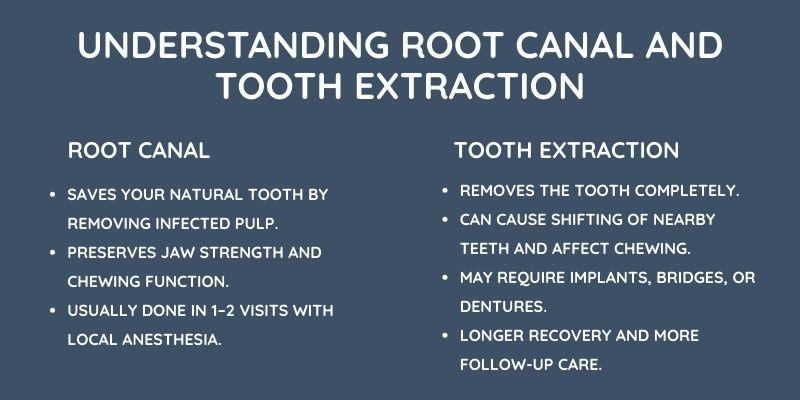
When a tooth is damaged or infected, you have two main options to fix the problem. Each option treats the issue differently and affects your mouth in different ways.
Knowing how these procedures work helps you decide what’s best for your dental health.
What Is a Root Canal?
A root canal is a dental treatment that saves your natural tooth when the inside part, called the pulp, is infected or badly damaged. During the root canal procedure, the dentist removes the infected pulp, cleans and disinfects the inside of your tooth, and then fills and seals it.
This stops the infection from spreading. A root canal treatment helps you keep your natural tooth. In fact, non‑surgical root canal-treated teeth have a success rate of 93.75% when using an epoxy resin–based sealer, highlighting how effective this procedure is in preserving tooth function.
This means you won’t lose strength or stability in your jaw. The process usually takes one or two visits and is done with local anesthesia to reduce pain.
What Is a Tooth Extraction?
Tooth extraction means completely removing a tooth from its socket in your jawbone. This is often done when a tooth is too damaged or infected to save.
The dentist loosens the tooth and pulls it out, sometimes using local anesthesia. Once the tooth is removed, you’ll have an empty space that may affect how you chew and how your other teeth line up.
You might need a dental implant, bridge, or denture to fill the gap and protect your bite. Extraction is a bigger procedure than a root canal and usually takes more time to heal.
Why Are These Procedures Needed?
Both root canal treatment and tooth removal are needed to stop pain and stop infection from spreading. When your tooth’s nerve or pulp is infected or damaged by deep decay or injury, leaving it untreated can cause serious problems.
Infection can spread to nearby teeth or even your jawbone. Choosing between root canal vs tooth extraction depends on how badly the tooth is damaged and your oral health goals.
If the infection can be removed and the tooth saved, a root canal usually is the best choice. But when the tooth cannot be repaired, extraction is necessary to protect your overall mouth health.
Comparing Root Canal vs Tooth Extraction
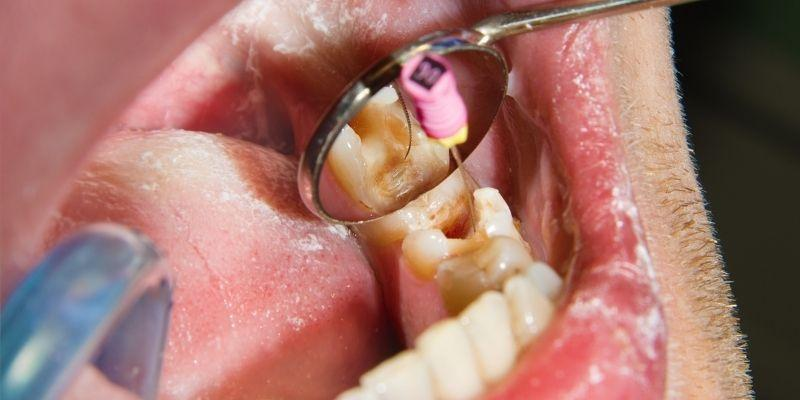
When deciding between a root canal and tooth extraction, you need to consider how each affects your natural tooth and comfort. Also, think about the time the treatment takes and what the process involves.
These points will help you make the best choice for your damaged or infected tooth.
Preserving the Natural Tooth
A root canal lets you keep your natural tooth by removing the infected pulp inside while cleaning and sealing the tooth. This helps maintain your bite and jawbone health.
Keeping your tooth preserves how you chew and prevents nearby teeth from shifting. On the other hand, extraction removes the entire tooth from its socket.
This means you lose the natural tooth, risking bone loss in that area and shifts in surrounding teeth. You will likely need a replacement like an implant or bridge to fill the gap, which can cost more and take more time.
Pain and Recovery Differences
During both procedures, you will get local anesthesia to reduce pain. A root canal usually causes only mild discomfort during and after the treatment.
Recovery tends to be quicker because you keep your tooth and avoid surgery that removes it. Extraction is often more uncomfortable since it involves surgery to pull the tooth out.
You may feel more pain and swelling after extraction compared to a root canal. Healing takes longer because your body needs time to recover from the removal and adjust to the open space.
Treatment Timeline and Process
A root canal involves creating a small opening in the tooth, removing diseased tissue, cleaning the inside, and then sealing it. You may need one or two visits, depending on the tooth’s condition.
After that, a crown or filling usually completes the restoration. Extraction is a one-step surgery where your tooth is completely removed from its socket.
After this, you’ll need additional appointments for replacement options, like implants or bridges. These replacements can take several months to complete, especially if bone grafting or healing time is needed before placing an implant.
Long-Term Oral Health and Functional Outcomes
How you treat a damaged tooth can shape your oral health for years. Some choices protect your jawbone and chewing ability better than others.
You also want to avoid problems with nearby teeth and keep your mouth clean and healthy.
Bone Loss and Jawbone Health
When you keep your natural tooth with a root canal, your jawbone gets the support it needs. The tooth root helps keep the bone strong by stimulating it when you chew.
If you remove a tooth, the bone in that area can shrink over time. This is called bone loss or jawbone loss.
Bone loss can change your jaw’s shape, leading to issues with your bite and appearance. It might also make replacing the tooth with an implant harder later on.
Impact on Chewing Function
Your natural tooth plays a big role in how well you chew your food. With a root canal, you keep that tooth and its ability to help you bite and grind properly.
If you have the tooth removed, chewing can become harder, especially if you don’t get a replacement like a denture or implant. Missing teeth may cause you to avoid certain foods or chew unevenly, which can strain other teeth and muscles.
Risks to Adjacent Teeth and Oral Hygiene
Extracting a tooth can cause nearby teeth to shift or tilt. This movement can change how your teeth fit together and make it harder to clean between them.
When teeth crowd or lean, plaque builds up more easily, increasing risks of gum disease and cavities. Keeping your tooth with a root canal helps maintain the proper spacing in your mouth.
This makes it easier to keep your teeth clean and prevents extra wear on neighbors. However, both treatments require good oral hygiene after care to avoid further issues.
Regular brushing, flossing, and dental visits are key to protecting your overall dental health.
Consult our Wilmington, NC dental specialists to learn how keeping your natural tooth with a root canal can protect your smile and surrounding teeth.
Choosing the Right Option for Your Situation
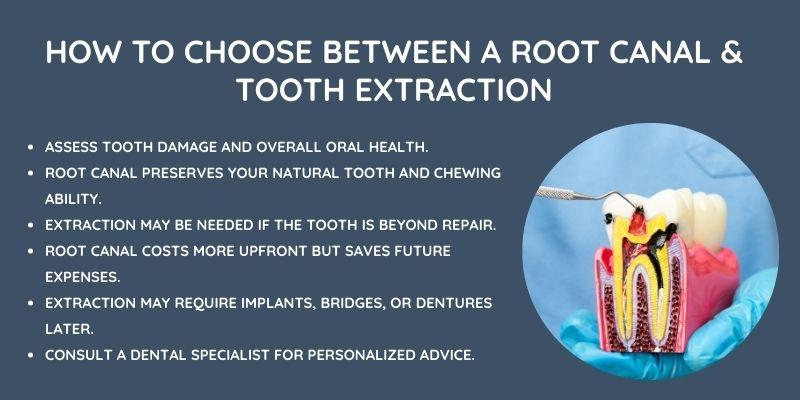
Deciding between a root canal and a tooth extraction depends on several important details about your tooth’s health and your personal needs. You’ll want to think about how damaged or infected your tooth is, the costs involved, and what will keep your mouth working well over time.
Key Factors Your Dentist Considers
Your dentist will check how much your tooth is damaged or infected. If the infection has reached the tooth’s pulp but the root and structure are still good, a root canal may be possible.
If the tooth is cracked deeply or decayed beyond repair, extraction might be needed. Your overall oral health matters too; if you have other dental issues, your dentist will factor that in.
They also look at your bite and jawbone health. Sometimes, an extraction can cause nearby teeth to shift or affect jawbone strength, so they consider that carefully.
Cost Considerations and Insurance
The cost of a root canal is usually higher upfront than a tooth extraction. Root canals require more time and advanced equipment.
After the root canal, you may need a crown, which adds to the cost. Tooth extraction may cost less at first, but you might pay more later if you need implants or bridges to replace the missing tooth.
Insurance coverage varies too. Some plans cover root canals better, while others may cover extraction more.
Make sure to check what your plan covers before deciding.
When Is Extraction a Better Choice?
Extraction is often the better choice if your tooth is badly damaged or infected beyond saving. For example, if a crack goes below the gum line or the infection is too severe, removing the tooth prevents pain and stops infection from spreading.
Extraction might also be the only option if you have overcrowding or need teeth removed for braces. Keep in mind, removing a tooth can lead to shifting of other teeth and bone loss in that area.
You’ll likely need a replacement like an implant to keep your bite balanced.
When Is Root Canal Preferred?
A root canal is a good option when you want to save your natural tooth. If the tooth is damaged but mostly intact, removing the infected pulp and sealing the tooth helps keep its function.
Root canals prevent the problems caused by tooth loss, like shifting teeth and changes to chewing. You’ll also avoid the cost and hassle of implants or bridges later on.
Most people recover quickly and keep their tooth for years after a root canal. If keeping your natural tooth matters to you, this treatment is often the preferred choice.
For detailed guidance, consulting a specialist can help you make the right decision. Book an appointment today to get personalized advice on whether a root canal or tooth extraction is best for you.
Tooth Replacement Options After Extraction
When a tooth is removed, you have several ways to replace it. The goal is to restore how your mouth looks and works.
Each choice comes with different steps, costs, and care routines.
Dental Implants
Dental implants are a popular choice if you want a long-lasting solution. They use a titanium post that is placed into your jawbone.
This acts like a natural tooth root and helps keep your bone strong. Once the implant is secure, a dental crown is attached on top.
This crown looks and feels like a real tooth. Implants don’t affect nearby teeth because they stand alone.
The process can take a few months since your jaw needs time to heal after the post is placed. But implants offer strong chewing power and can last many years if cared for well.
Dentures and Dental Bridges
Dentures and dental bridges are common ways to replace one or more missing teeth after extraction. Dentures can be full or partial and are removable.
They are designed to fit over your gums and replace several teeth at once. Dental bridges use false teeth held in place by crowns on nearby healthy teeth or implants.
Bridges are fixed and usually faster to get than implants. But they may require filing down the teeth next to the gap.
Both options require regular cleaning and checkups. Dentures might need adjustments for comfort.
Bridges protect your bite but depend on the strength of the supporting teeth.
Effect on Day-to-Day Life
Replacing a missing tooth affects how you speak, chew, and smile. Dental implants generally feel the most natural and allow you to eat all kinds of food without worry.
Dentures might initially feel loose or affect your speech. They often need some practice to get used to.
Wearing and cleaning them daily is important. Bridges provide a stable solution but can affect the teeth that hold them, sometimes causing sensitivity.
Whatever option you choose, replacing your tooth prevents other teeth from shifting and helps maintain your jaw’s health.
If you’re in Wilmington, NC, schedule a consultation with our dental specialists to explore the best tooth replacement options for you.
Frequently Asked Questions
Choosing between a root canal and tooth extraction depends on many factors like cost, pain, and the condition of your tooth. Some treatments work better for certain types of teeth or problems.
What are the cost differences between a root canal and a tooth extraction?
A root canal followed by a crown often costs less than extracting the tooth and replacing it with an implant or bridge. Extraction may seem cheaper at first, but replacement treatments add to the total cost.
Is a root canal or a tooth extraction more painful?
Extractions are generally more painful and require longer healing time than root canals. Root canals relieve pain by cleaning the infection inside the tooth without removing the tooth itself.
The whole process tends to cause less discomfort than an extraction.
Can you outline the pros and cons of root canal therapy versus tooth extraction?
Root canals save your natural tooth, preserving your bite and bone. They can be less costly and easier on recovery.
Extractions remove the bad tooth completely but may require implants or bridges later. Extractions can cause shifting of other teeth and longer treatment times.
How does the treatment choice vary between a cracked tooth and normal teeth?
If your tooth is cracked but still mostly healthy, a root canal might save it by cleaning infection inside.
Severely cracked teeth may need extraction to avoid further damage.
The severity of the crack strongly affects the best treatment option.
What are the considerations for treating back molars, including second molars?
Back molars often have complicated roots, making root canals more challenging.
Saving these teeth is important because they help you chew.
Extraction of molars can lead to shifting teeth and bite problems that might require complex replacements.
Should I opt for a root canal or tooth extraction for a wisdom tooth issue?
Wisdom teeth are often extracted because they are hard to clean and may cause crowding or infection.
Root canals on wisdom teeth are less common but possible if the tooth is healthy enough and accessible.