
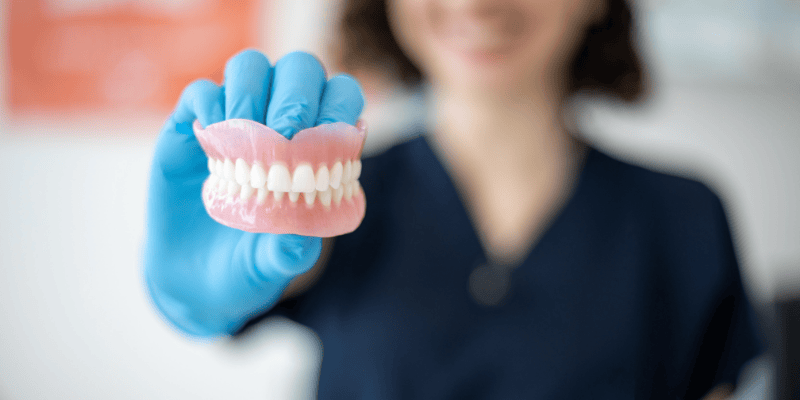
Snap-in dentures give you a secure, removable option that snaps onto implants, so your denture stops slipping and feels more like natural teeth.
They use small attachments on implants to lock the denture in place, improving chewing, speech, and comfort without making the denture permanent.
You’ll learn how different snap-in dentures retention systems work, how the procedure fits into your timeline, and what daily care looks like. The article compares snap-in options with traditional and fixed solutions so you can weigh stability, cost, and ease of cleaning.
Key Takeaways
- Snap-in systems hold dentures steady using implant attachments.
- The procedure and care are straightforward and fit most lifestyles.
- Compare options to match stability needs, budget, and maintenance.
Understanding Snap-In Dentures and Their Retention Systems
Snap-in dentures lock to small metal posts in your jaw to give better chewing power and fewer sore spots than regular dentures. They are removable, attach to implants, and use simple parts you can clean at home.
How Snap-In Dentures Attach to Dental Implants
Snap-in dentures connect to two to four dental implants placed in the jawbone. Each implant acts like an anchor. The implant is fitted with a tiny metal or plastic connector called an abutment. The denture has matching housings that “snap” over those abutments.
You press the denture down until it clicks into place. That click is the retention system engaging and holding the denture stable. At night, you remove the denture to clean both the prosthesis and the implant attachments. Routine visits let your dentist replace worn parts and check bone levels around the implants.
Types of Retention Attachments: Locator, Bar, and Ball Systems
Locator attachments are low-profile, widely used, and let the denture pivot slightly for comfort. They use replaceable nylon inserts that wear over time and are easy to swap during checkups.
Bar systems connect implants with a metal bar. The denture clips onto that bar, giving strong support and even force spread across the jaw. Bars are good if you need more stability or have several implants in a row.
Ball attachments use a ball-shaped abutment on the implant and a socket in the denture. They offer solid retention and are simpler than bars. These three options all make removable, implant-retained dentures more secure than tissue-supported dentures, but they differ in maintenance, cost, and how much movement they allow.
Differences Between Snap-In, Snap-On, and Overdentures
“Snap-in” and “snap-on” are often used the same way: removable dentures that click onto implants. Both give more stability than regular dentures and let you remove the prosthesis for cleaning.
“Overdentures” is a broader term. It covers any denture that sits over natural roots or implants. So an implant-retained overdenture can be snap-in or use a bar or ball design. Fixed overdentures that you can’t remove by hand are different; they need a dentist to remove them and act more like permanent teeth.
When choosing, consider cost, how easy it is to clean, and how much bite strength you want. Your dentist can show you examples and explain which retention system fits your mouth and daily needs.
Transform your smile with a snap-in dentures retention system in Wilmington, NC. Book your appointment now.
Snap-In Dentures vs. Traditional and Fixed Dentures
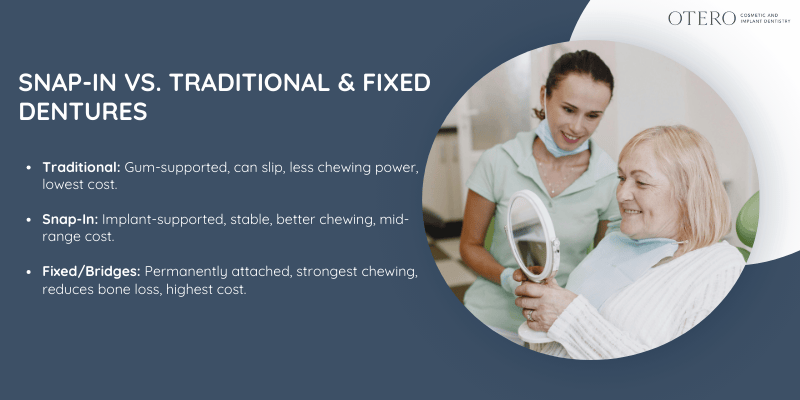
Snap-in dentures sit on implants for better hold, while traditional dentures rest only on gums. Fixed implant bridges lock to implants and do not come out. Costs, comfort, and chewing strength differ across these options.
Traditional Dentures and Their Limitations
Traditional removable dentures sit on your gums and rely on suction or adhesive. They can work well for the upper arch where suction is stronger, but they often move on the lower jaw. That movement can make speaking and eating harder.
Gum pressure and bone loss happen over time because traditional dentures don’t stimulate the jawbone. You may need frequent relines as your mouth changes. Adhesives can help short-term but don’t stop slipping or soreness.
If you want the lowest upfront cost, traditional dentures are usually the cheapest. But expect more maintenance, limited biting force, and less stability than with implant options.
A clinical study comparing conventional dentures with implant‑retained overdentures, which includes snap‑in denture retention systems, found that patients with the implant‑supported option reported significantly higher satisfaction with chewing ability, denture stability, and comfort than those wearing traditional dentures.
Those using implant‑supported dentures also experienced better overall function and fewer issues with denture movement or the need for adhesives, which suggests the enhanced retention system of snap‑in dentures provides clear functional advantages over traditional removable dentures.
Fixed Dentures and Fixed Implant Bridges
Fixed dentures and fixed implant bridges attach permanently to implants. You cannot remove them yourself; your dentist removes them if needed. They give the most stability and the closest feeling to natural teeth.
Fixed implant bridges use several implants to support a single, connected prosthesis. That setup restores strong chewing ability and reduces bone loss because implants transfer bite forces to the jaw. Fixed options cost more and need good bone health or grafting to place implants.
Choose fixed bridges when you want maximal chewing strength, fewer daily removals, and long-term durability. Expect higher upfront costs and a surgical process with months of healing.
Comparing Costs and Chewing Ability
Cost ranges vary: traditional dentures often cost the least up front. Snap-in dentures fall between traditional and fixed bridges. In the US, snap-in solutions commonly range from a few thousand to around ten thousand dollars per arch, depending on implants and materials. For exact pricing, ask your clinic for a personalized estimate.
Chewing ability improves as you move from traditional to snap-in to fixed bridges. Traditional dentures limit bite force and make hard or sticky foods harder to eat. Snap-in dentures attach to 2–4 implants and give you more bite strength and stability for everyday foods.
Fixed implant bridges restore the most chewing power and let you eat closer to normal without worrying about slippage.
The Snap-In Denture Procedure: Step-by-Step
This section covers how you move from consultation to implants, what happens during surgery, and how healing leads to the final denture fit. It explains key decisions about bone health, temporary appliances, and who does each part of the work.
Initial Consultation and Candidate Criteria
Your first visit checks health, jawbone density, and goals. Expect a review of medical history, current medications, and any smoking habits that affect healing. The dentist or prosthodontist will take X-rays or a 3D CBCT scan to measure bone height and width where implants will go.
The team evaluates gum health and nearby teeth. If you have active gum disease, they treat it before implant surgery. They also discuss how many implants you need, typically 2–4 per arch for snap-in dentures, and whether your bite or facial structure affects the design.
You’ll get a clear cost estimate, timeline, and a plan for anesthesia or sedation. Ask about who will perform the implant surgery, an oral surgeon or a prosthodontist, and whether a temporary denture will be provided right after surgery.
Implant Placement and Bone Graft Requirements
During implant surgery, titanium implants are placed into the jawbone to act as stable anchors. The procedure usually takes 1–3 hours per arch, done under local anesthesia with sedation available if you want it. Your surgeon follows the CBCT plan to position implants for the best retention and load distribution.
If your jawbone lacks height or width, the surgeon may recommend a bone graft or ridge augmentation. Bone grafting can use your own bone, donor bone, or synthetic material. This step may be done before or during implant placement, depending on how much support you already have.
The presence of sufficient bone is critical for long-term implant stability. The team will explain risks such as infection or nerve irritation and provide pre-op and post-op instructions on antibiotics, diet, and activity.
Ready for dentures that stay secure all day? Book your snap-in dentures appointment now and enjoy better stability.
Healing, Temporary Dentures, and Final Fitting
After surgery, your implants need time to bond with bone in a process called osseointegration. This usually takes 8–16 weeks, depending on bone quality. You may wear a temporary denture during healing; it snaps over healing abutments but stays out of direct implant loading.
Follow post-op care: soft foods, gentle oral hygiene, and scheduled follow-ups to check healing and remove sutures. If you had a bone graft, healing may take longer and require extra visits.
Once the implants are stable, the dentist fits the final attachments and takes precise impressions for your custom snap-in denture. The prosthodontist will adjust bite, retention, and esthetics so the denture snaps securely yet removes easily for cleaning. Expect a few adjustment visits to refine comfort and function.
Everyday Benefits: Stability, Comfort, and Oral Health
Snap-in dentures attach to small implants so your denture stays put, feels more natural, and helps protect the bone under your gums. You get firmer chewing, fewer sore spots, and easier cleaning compared with loose full dentures.
How Retention Systems Improve Denture Fit and Stability
Retention systems use housings, locator attachments, or ball studs that snap the denture onto implants. These anchors cut side-to-side rocking and front-to-back tipping that often make a lower denture unstable. When the denture snaps on, the fit becomes precise and repeatable every time you place it.
You’ll notice fewer sore spots because implants transfer bite forces into bone, not just gums. Attachments wear over time and may need replacement, but that’s a quick office visit rather than a full denture reline. Proper hygiene around the implant posts keeps the attachments working and prevents looseness.
Boosting Chewing Force and Confidence
A denture that stays in place lets you bite and chew harder foods more safely. Studies and clinical reports show implant-retained overdentures increase chewing force compared with conventional dentures. That means you can eat firmer fruits, meats, and raw vegetables with less effort.
Eating more kinds of food helps your nutrition and makes meals more enjoyable. Social confidence improves too; you worry less about slipping while speaking or laughing. If you wear a lower denture, expect the biggest gain in stability because lower jaws typically cause the most movement in traditional dentures.
Jawbone Preservation and Long-Term Oral Health
Dental implants stimulate jawbone and slow the bone loss that happens after tooth loss. Snap-in dentures with two or more implants help maintain jawbone density better than removable dentures that rest only on gums. Preserving bone supports facial shape and keeps dentures fitting better longer.
Maintaining oral health requires cleaning the denture and the implants daily. Use an interdental brush or water flosser around implant posts and remove the denture each night to clean surfaces. This care lowers the risk of gum inflammation and helps the implants last, protecting both your denture fit and jawbone over time.
Maintenance, Daily Care, and Longevity
Daily attention keeps your snap-in dentures working well and helps protect your implants and gums. Clean parts daily, watch for wear on attachments, and see your dentist for routine checks to extend lifespan.
Daily Cleaning and Hygiene Tips
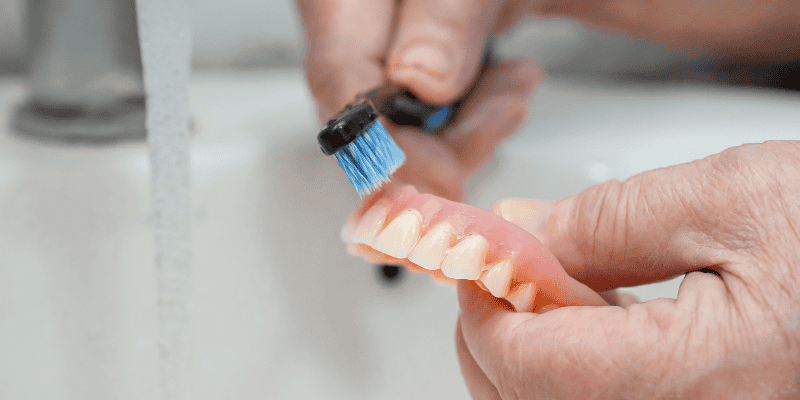
Clean your denture and implants every day to avoid plaque, bad breath, and gum problems. Remove the denture and rinse it under running water after meals to remove food particles. Use a soft-bristled toothbrush and non-abrasive denture cleaner or mild soap to brush all denture surfaces, including the underside that meets your gums.
Brush around your denture implants and abutments in your mouth with a soft-bristled toothbrush and fluoride toothpaste to remove plaque. Use an interdental brush or water flosser to clean under and around the attachments. Soak the denture overnight in a denture-cleaning solution if recommended by your dentist, but avoid hot water, which can warp the denture.
Handle the denture over a folded towel or sink of water to prevent damage if you drop it. Rinse thoroughly after soaking before putting it back in your mouth. Replace your soft-bristled brush every three months or sooner if bristles fray.
Attachment Wear and Replacement
Attachments (caps, O-rings, or bars) wear with normal use and affect retention. Expect nylon or rubber locator caps to soften and lose grip over months to a few years depending on chewing habits and cleaning methods. Metal components can wear too, especially if grit or hard particles contact them.
You can often feel reduced retention before visible wear appears. Track how tightly the denture snaps on and note any rocking, slipping, or clicking. Have the caps replaced or relined when retention lessens; replacements are usually a quick office visit. If metal housings or implants show corrosion or damage, your dentist may recommend repair or replacement to protect implant-retained dentures and the underlying implants.
Avoid using household adhesives, abrasive pastes, or ultrasonic cleaners not approved for your denture, as these can speed wear of attachments and damage plastic parts.
Professional Check-Ups and Adjustments
Schedule professional checks at least twice a year or as your dentist recommends. During visits, your provider will inspect the denture, attachments, gum tissue, and implant health. They measure retention, check for wear, and test implant stability.
Adjustments and relines keep the fit snug and stop sore spots. If you gain or lose weight, or if bone around implants changes, relining or rebasing may be needed. Your dentist can replace worn locator caps, rebalance bite forces, and polish rough spots that irritate tissue. They also take X-rays when needed to monitor implant bone levels.
Report soreness, persistent bad breath, or changes in fit promptly. Early professional care prevents larger repairs and helps protect your oral health and the lifespan of your snap-in dentures.
Is Snap-In Right for You? Candidates, Considerations, and Limitations
Snap-in dentures can give you more stability than regular dentures while costing less than a full set of fixed implants. You’ll need a dental exam, a clear plan for bone health, and to weigh costs and care needs before deciding.
Who Benefits Most from Snap-In Dentures
You’re a good candidate if you have several missing teeth or a full arch to replace and enough jawbone to hold implants. People who struggle with slipping upper or lower dentures often gain easier chewing and clearer speech with implant-retained overdentures. A prosthodontist or implant dentist will check bone density and gum health; mini implants may work if bone is limited.
You should expect to spend less than full-arch fixed implant solutions but more than basic removable dentures. If you want a removable prosthesis you can clean nightly and prefer fewer implants than implant-supported fixed dentures, snap-in dentures often fit well.
Potential Risks and Drawbacks
You must accept surgery risks like infection, swelling, and healing time after implant placement. Implants can fail if your oral health is poor, if you smoke, or if you have uncontrolled diabetes. Snap-in dentures still move slightly, so high bite forces from hard or sticky foods can stress attachments. Expect maintenance: replace soft liners and attachments periodically and see your dentist for checks.
The cost of snap-in dentures varies widely and may require financing; insurance sometimes helps but often only covers part of the procedure. A prosthodontist can give a clearer cost estimate and a maintenance schedule.
Switching from Other Denture Types
Moving from conventional dentures to snap-in usually means implant surgery followed by a healing period of weeks to months. Your dentist may fit temporary dentures during healing so you’re not toothless. If you already have dentures, your prosthodontist can often adapt them to attach to implants, lowering total cost.
Transitioning from fixed implant-supported dentures to snap-in is less common because fixed options require more implants and are non-removable; switching may need different implant placement. Plan for extra visits, periodic attachment replacement, and a short adjustment phase for speech and chewing as you get used to the new fit.
Ready for dentures that stay secure all day? Schedule your appointment now and enjoy better stability.
Frequently Asked Questions
Snap-in dentures use dental implants and special attachments to hold a removable denture in place. They aim to give you more stability, easier cleaning, and better chewing than a conventional denture.
How do snap-in dentures compare to traditional dentures?
Snap-in dentures attach to 2–4 implants in your jaw, so they move far less than a denture that just rests on your gums. You will likely speak and chew more confidently because the denture resists slipping and rocking.
Traditional dentures can feel looser and often need adhesive. Snap-in dentures cost more upfront but usually feel more natural and protect jawbone by transferring bite forces to implants.
Can you explain the process of getting snap-in dentures fitted?
First, your dentist will evaluate your mouth and take X-rays to check bone height and health. If you have enough bone, they place 2–4 implants in the jaw and let them heal for several months so the implants fuse with bone.
After healing, the dentist attaches locator or ball-style connectors to the implants and makes the denture with matching attachments. You will try the denture, get adjustments for fit and bite, and learn how to attach and remove it.
What are the benefits of choosing snap-in dentures over other options?
Snap-in dentures give better retention than regular dentures, so you can eat a wider range of foods and talk without worrying about slippage. They also reduce sore spots by distributing pressure through implants.
Compared with fixed implant bridges, snap-in dentures are less costly and easier to clean because you remove them yourself. They can also slow jawbone loss by keeping implant stimulation in place.
How does one care for snap-in dentures to maintain their fit and function?
Remove your dentures nightly and clean them with a soft brush and non-abrasive cleaner. Clean around the implant posts daily with an interdental brush or water flosser to prevent plaque buildup.
Bring the denture and implants to regular checkups so your dentist can inspect the attachments and replace worn parts. Replace worn attachment parts promptly to keep the snap fit secure.
What might affect the long-term stability of snap-in dentures?
Bone loss around implants will reduce stability, so maintaining oral health and treating gum disease matters. Poor hygiene, smoking, uncontrolled diabetes, or heavy biting forces can increase the risk of implant failure.
Attachment wear and loose implant screws also reduce retention; those parts need periodic replacement or tightening by your dentist.
Are there any dietary restrictions with snap-in dentures?
You can eat most foods, but avoid very hard items like whole nuts and very sticky foods like taffy that can damage the denture or stress implants. Cut tough foods into smaller pieces and chew slowly when you first adapt to the denture.
If you feel unusual movement or pain while eating, stop and contact your dentist so they can check the fit and attachments.