

You want dentures that look good, fit well, and last without costing a fortune. Affordable dentures usually mean choices that balance lower cost with simpler materials and fewer custom steps.
That balance determines how natural they look, how comfortable they feel, and how long they last.
This post will help you spot what matters: which materials and fittings save money, when a cheaper option still makes sense, and when spending more gives real benefits when choosing affordable dentures vs quality dentures.
Expect clear, practical tips to help you pick a denture option that fits your budget and daily life.
Key Takeaways
- Affordable options trade some custom features for a lower cost.
- Material and fit mainly determine comfort and appearance.
- Proper care and timely adjustments extend denture life.
What Affordable Dentures Really Are
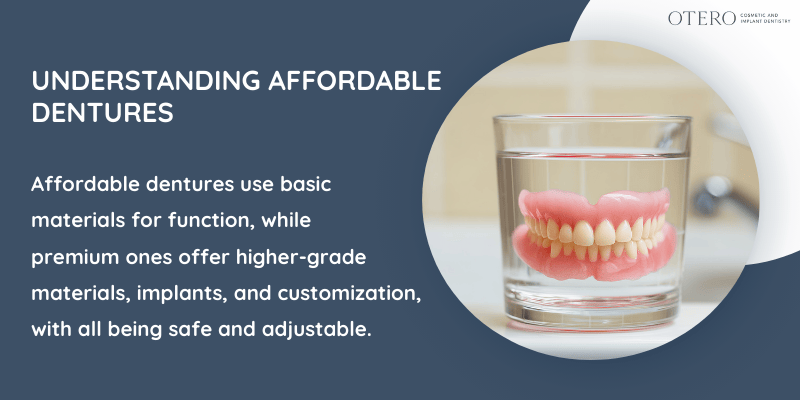
Affordable dentures give you a working, everyday smile without the higher cost of premium options. They focus on reliable materials, a standard fit process, and predictable maintenance needs so you can chew, speak, and smile with confidence.
Definition of Affordable Dentures
Affordable dentures are removable tooth replacements made from common, durable materials like acrylic for the base and acrylic or economy-grade resin for teeth.
Clinics keep costs down by using stock tooth shapes and standard shades rather than fully custom-matched teeth. Lab work may be done by regional or national dental labs that use efficient production methods.
You’ll usually get a basic wax try-in or a single adjustment visit included. These dentures restore function and appearance for most daily activities, but they may need more frequent relines or repairs than higher-end options.
Affordable vs. Premium Dentures
Premium dentures use higher-grade acrylics, layered porcelain or premium resin teeth, and more hands-on lab customization. That often gives a more natural look, finer tooth anatomy, and a tighter initial fit. Premium options may include implant support for better stability, which raises the cost substantially.
Affordable dentures trade some esthetic detail and custom touches for a lower price. Expect differences in tooth translucency, contouring, and how closely color matches your existing teeth. The cost difference comes from materials, lab time, and extra clinical steps like additional try-ins or implant placement.
Common Misconceptions
You might think affordable means poor quality. In reality, affordable dentures meet basic safety and function standards and can last several years with good care. The main trade-offs are aesthetic detail, immediate fit finesse, and long-term durability compared to premium choices.
Another myth is that affordable dentures can’t be adjusted. Dentists commonly reline, adjust, and repair these dentures.
Finally, affordable does not always mean “one-size-fits-all”; many clinics offer payment plans or hybrid options like snap-on dentures that blend lower cost with improved stability.
Discover which option fits your needs, budget, and lifestyle. Schedule a consultation today to get a personalized recommendation.
Types of Denture Solutions
You will find options that fit different budgets, mouth shapes, and long-term goals. Think about how many teeth you need replaced, how stable you want the teeth to feel, and whether you prefer removable or fixed solutions.
Partial Dentures
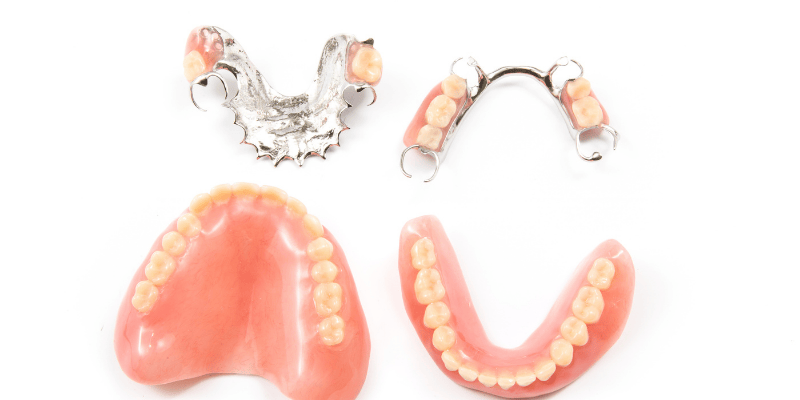
Partial dentures replace several missing teeth while keeping your healthy teeth. They often use a metal or flexible plastic framework that clips onto nearby teeth. Flexible partial dentures made from nylon-style resins give a snug fit and avoid metal clasps, which helps if you want a less visible, more comfortable option.
You can get a temporary partial while you heal after extractions, or a long-term removable partial that lasts several years with good care. Costs tend to be lower than implants, but clasps and fit may need adjustments as your mouth changes. Clean them daily and remove them at night to protect your gums and remaining teeth.
Full Dentures
Full dentures replace all teeth in one or both arches. Traditional full dentures rest on your gums and use suction and adhesives for hold. They work well when you want an affordable, non-surgical tooth replacement and can restore chewing and speech.
Immediate dentures can be placed the same day you lose teeth, so you never go without teeth, but you’ll need relines as your gums heal.
Permanent acrylic or high-quality digital dentures can look more natural and last several years. You should expect periodic relines and replacements because bone and gum contours change over time.
Implant-Supported Options
Implant-supported dentures anchor to titanium implants placed in your jaw. You can choose removable “snap-on” dentures that clip to two or more implants, or fixed permanent dentures attached to four or more implants for the strongest stability.
Snap-on dentures give much better chewing and confidence than gum-supported dentures and cost less than full-arch fixed implant work. Fixed implant dentures act like natural teeth and reduce bone loss but require surgery and higher upfront cost.
Implants need healthy bone or grafting, and you must commit to good oral hygiene and regular dental visits. For a clear comparison of implant and removable choices, see affordable denture types and benefits.
Materials Used in Affordable Dentures
Affordable dentures use a small set of materials that balance cost, comfort, and durability. You’ll find options that are firm and repairable, soft and flexible, or very hard and long-lasting — each affects how your denture feels, how it looks, and how often you’ll need repairs.
Acrylic Resin and Plastics
Acrylic resin is the most common base material for budget-friendly full and partial dentures. It forms the pink gum portion and often holds the denture teeth in place. Acrylic is a rigid plastic; it trims easily if your dentist needs to adjust the fit, and repairs usually take less time and cost less than with harder materials.
Denture teeth made from acrylic or composite plastics attach well to an acrylic base. These teeth weigh less than porcelain and absorb bite forces, which reduces chipping.
Expect acrylic dentures to be less expensive, comfortable for most mouths, and to last several years with good care. They can stain over time, so you’ll need to clean them daily and avoid strong-colored foods and tobacco.
Flexible Thermoplastics
Flexible partial dentures use thermoplastic materials, such as nylon-based polymers, to make a soft, bendable gum base. These materials clip around existing teeth without metal clasps, so they look more natural at the edges and often feel less bulky in your mouth.
Research on flexible thermoplastic dentures shows that because of nylon’s flexibility, these materials can create a more comfortable, lightweight partial denture that conforms to oral tissues and can enhance retention by creating a better seal around the denture border.
Flexibles adapt to movement and can be more comfortable if you have sensitive gums or irregular bone shapes.
They aren’t as easy to adjust or reline as acrylic, and they may absorb odors or stain more readily. If you need future tooth additions or frequent adjustments, a flexible partial can be harder to modify and might require full replacement sooner.
Porcelain and Metal Alloys
Porcelain teeth and metal alloys appear in higher-end or hybrid affordable options when strength or appearance is a priority. Porcelain teeth mimic tooth enamel and resist wear and staining better than plastic teeth. They give a more natural translucence, but they are heavier and can crack if dropped.
Metal alloys show up mainly in partial denture frameworks. Cobalt-chromium and other dental alloys make thin, rigid frameworks that offer strong support and thinner profiles against your gums.
Metal frameworks last longer and keep fit stability, but they usually cost more than all-acrylic dentures. If you want stronger bite force and thinner parts, ask about porcelain teeth on a metal framework or a cast metal partial.
For more on common denture materials and how they compare, read about what denture bases and teeth are typically made of at Affordable Dentures & Implants (what are dentures made of).
Make an informed choice between affordable dentures vs quality dentures. Schedule your appointment today in Wilmington, NC, and get a customized plan for your smile.
Ensuring Comfort and Fit
Comfort comes from a denture that matches your mouth shape, stays stable when you talk and eat, and can be adjusted if your gums change. You should expect a custom fit, clear instructions on adhesives and cleaning, and follow-up care for tweaks or relines.
Denture Customization
Your dentist should start with precise impressions and bite records so the denture sits correctly on your gums and matches how your jaws meet. Labs use those records to set tooth size, shape, and color so your denture looks natural and helps you speak clearly.
Ask about material choices. Acrylic bases are common and cost-effective. Premium options like 3D-printed or implant-supported dentures cost more but give a tighter, more stable fit. If you want fewer food limits and more stability, discuss implant-retained dentures.
Make sure the denture margins don’t rub your cheek or tongue. A good lab will thin edges and polish surfaces to reduce sore spots. Keep clear photos or shade guides so the teeth match your skin tone and smile goals.
Denture Adhesives
Adhesives can improve stability, especially for lower dentures that tend to move more. Use only dental adhesives meant for dentures and follow the product directions for amount and placement.
Apply adhesive in short strips across the denture base, not a single blob. Press firmly into place for 30–60 seconds. Don’t sleep with adhesive in your mouth. Remove adhesive residue each day with an adhesive cleaner or mild denture brush.
If you use a lot of adhesive every day, tell your dentist. Excessive reliance may mean the fit is poor or relines or implants would work better. Adhesives can help temporarily but are not a fix for a badly fitting denture.
Adjustments and Relines
You will likely need adjustments after first wearing your dentures. Expect sore spots the first few days and plan a follow-up visit within a week. Your dentist will trim and polish areas that rub or cause pain.
Over months and years, your gums and jawbone change. A reline resurfaces the denture base so it fits the new shape of your mouth. Soft relines add cushioning for sensitive gums; hard relines last longer and restore tight fit.
If your denture cracks or teeth break, get repairs quickly to avoid more damage. Regular checkups let your dentist check bite alignment and recommend when a relined or replaced denture will best help you restore your smile and your ability to eat and speak comfortably.
Longevity and Maintenance of Affordable Dentures
Proper care keeps your dentures comfortable, helps them last longer, and protects your mouth. Small daily habits and regular dental visits do most of the work.
Expected Lifespan
Affordable dentures typically last between 5 and 8 years, depending on materials and how well you care for them. Acrylic bases and acrylic teeth wear faster than higher-end materials. If your dentures are implant‑supported, the prosthetic teeth may last longer, but the acrylic base still needs attention.
Your jaw and gums change shape over time. That shift can make a denture that once fit well feel loose within months to years. Regular checkups let your dentist reline or adjust the denture to keep chewing stable and avoid sore spots.
Watch for cracking, deep scratches, or teeth that look worn. These signs mean the denture may be near the end of its useful life. Addressing small problems early extends overall longevity.
Proper Cleaning and Care
Rinse your dentures after every meal to remove food debris and prevent stains. Brush them daily with a soft denture brush and a non‑abrasive denture cleanser; avoid regular toothpaste because it can scratch acrylic.
Soak your dentures overnight in a manufacturer‑recommended solution to keep them from drying and warping. Always follow the cleaning product instructions and avoid hot water, which can deform the base.
Handle dentures over a towel or water-filled sink to prevent breakage if dropped. Clean your mouth each day too: brush your gums, tongue, and any remaining teeth to lower bacteria and protect oral tissue.
Keep a schedule: daily cleaning, nightly soaking, and dental checkups every 6–12 months. Those steps reduce odour, lower infection risk, and support the benefits of dentures in restoring your smile.
When to Replace or Upgrade
Replace your dentures when fit, function, or appearance declines noticeably. Common triggers are frequent sore spots, slipping while speaking or eating, visible cracks, or drastic wear of the denture teeth.
Consider an upgrade if you want more durability or a better fit. Options include stronger acrylic, higher-grade teeth, or implant‑supported designs. Upgrades may cost more up front, but they can improve chewing, comfort, and long‑term value.
Ask your dentist for an inspection if you notice persistent discomfort, changes in bite, or if it’s been around 5 years since your last major work. A professional can recommend relining, repairing, or replacing to restore function and protect oral health.
Ready for a confident, functional smile? Schedule an appointment now at our Wilmington, NC office.
Frequently Asked Questions
This section answers practical points about fit levels, material choices, comfort, cost, and which denture types people prefer. Read the short answers to learn what to expect for durability, daily wear, and comfort.
What are the differences between premium and ultimate fit dentures?
Premium fit dentures use higher-quality impressions and more precise adjustments than basic options. They usually have a more accurate base that reduces movement and sore spots.
Ultimate fit dentures include extra steps like digital scans, more try-ins, and finer lab work. You should notice a tighter seal, fewer sore areas, and a closer match to your bite.
How do the materials used in affordable dentures affect their longevity?
Acrylic (plastic) bases and teeth are common and cost less, but they can wear or stain faster. Porcelain teeth last longer and resist wear, but they cost more and can be heavier.
Flexible nylon bases feel softer and bend with your mouth, which can reduce breakage but may discolor over time. Metal clasps on partials add strength where needed and help the denture last longer.
What types of dentures are known for providing the most comfort?
Flexible partial dentures often feel the most comfortable at first because they bend with your gums. Well-made acrylic full dentures with a precise fit also become comfortable once you adjust.
Implant-retained dentures give the most stable, natural feel for chewing and speaking. They require surgery and higher cost, but many people find them the most comfortable long term.
How does the cost vary among different types of dentures?
Basic acrylic full dentures usually cost the least because they use standard materials and fewer lab steps. Premium and ultimate fit options add costs for better materials, extra fittings, and digital or lab processes.
Partials with metal frameworks and implant-supported dentures increase the price further. Expect implant options to be the most expensive due to surgery, parts, and ongoing care.
What can I expect from premium dentures at Affordable Dentures in terms of fit and comfort?
Premium dentures at Affordable Dentures typically include more detailed impressions and lab work to improve fit. You can expect fewer adjustments and a closer bite alignment than a basic set.
They may use higher-grade acrylic and better-matched teeth for a more natural look. This usually reduces rubbing and speaking problems in the first weeks of wear.
Which dentures tend to make patients the happiest and why?
Many patients report the most satisfaction with implant-retained dentures because they stable, allow better chewing, and feel more like natural teeth. People who choose premium or ultimate fit dentures often praise reduced sore spots and improved speech.
Comfort also depends on proper follow-up care and adjustments. Dentures that fit well and match your chewing needs usually lead to the highest patient happiness.