

All-on-X dental implants can transform your smile by replacing a full arch of missing teeth with just four to six implants. This treatment offers a permanent solution that looks and feels natural. However, it’s not the right choice for everyone.
However, all-on-X dental implants are not suitable for everyone. So, who is not a candidate for all-on-X dental implants?
Certain medical conditions, lifestyle factors, and bone health issues can make you unsuitable for All-on-X dental implants and increase the risk of treatment failure.
Understanding these limitations helps you make informed decisions about your dental care. Factors such as age, health, and lifestyle habits play a significant role in whether this procedure will work for you.
If you have uncontrolled diabetes, take certain medications, or have inadequate jawbone density, your dentist may recommend alternative treatments.
This article explains who should avoid All-on-X implants and why these factors matter for your treatment success.
Key Takeaways
- Uncontrolled diabetes, certain medications like bisphosphonates, and previous radiation to the head and neck can prevent successful implant healing
- Insufficient jawbone density and certain autoimmune conditions may require alternative tooth replacement options
- Working with your dentist and medical team to address health concerns can improve your chances of qualifying for implant treatment
Overview of All-on-X Dental Implants
All-on-X dental implants offer a way to replace a full arch of missing teeth using just a few strategically placed implant posts. The number in the name tells you how many implants support your new teeth, and the procedure gives you a fixed prosthesis that stays in place instead of removable dentures.
What Are All-on-X, All-on-4, All-on-6, and All-on-8 Implants
All-on-X dental implants are a type of full-arch restoration where the “X” represents the number of titanium implant posts placed in your jawbone. These posts act as artificial tooth roots that support a complete set of prosthetic teeth.
All-on-4 uses four implants per arch. This is the most common option and works well if you have adequate bone density in specific areas of your jaw.
All-on-6 uses six implants per arch. You might need this option if you have moderate bone loss or need extra stability for your prosthetic teeth.
All-on-8 uses eight implants per arch. Your dentist may recommend this if you have good bone quality and want maximum support for your full mouth dental implants.
Each approach provides a fixed prosthesis that replaces all your upper or lower teeth. The implants are often placed at angles to maximize contact with your existing bone and avoid areas where bone loss has occurred.
How the All-on-X Procedure Works
The All-on-X procedure starts with a consultation where your dentist takes 3D scans to evaluate your bone structure and oral health. During surgery, your dentist places the implant posts into your jawbone at specific angles to provide the strongest foundation.
You usually receive temporary prosthetic teeth on the same day as your surgery. This means you leave with a functional smile right away instead of waiting months without teeth.
Over the next three to six months, your implants fuse with your jawbone through a process called osseointegration. Once healing is complete, your dentist replaces the temporary teeth with your permanent prosthetic teeth made from durable materials.
The angled implants used in this full-mouth restoration technique often eliminate the need for bone grafting procedures. This makes the process faster and less invasive than placing individual implants for each missing tooth.
Comparison to Removable Dentures and Other Implant Options
Unlike removable dentures that rest on your gums, All-on-X creates an implant-supported bridge that screws directly into your jawbone. Your teeth stay firmly in place when you eat, speak, or laugh.
Traditional full dentures can slip around and require adhesives to stay put. They also don’t prevent bone loss in your jaw. All-on-X implants stimulate your jawbone like natural teeth, which helps maintain your facial structure.
If you were to replace each tooth with individual dental implants, you would need 10 to 14 implants per arch. That means more surgery, longer healing time, and higher costs. All-on-X gives you the same result with fewer implants.
Your fixed prosthesis functions more like natural teeth than removable dentures. You can eat a wider variety of foods and don’t need to remove your teeth for cleaning at night.
Want to learn more about all-on-4 dental implants in Wilmington, NC? Contact us today to get answers and explore your candidacy with Dr. Otero’s expert team.
Essential Candidacy Criteria for All-on-X Implants
Your jawbone must have enough density to support the implants, and your oral health needs to be in good condition for the procedure to succeed. These two factors play the biggest role in determining whether you qualify for this treatment.

Jawbone Density and Bone Loss
Your jawbone density directly affects how well the implants can integrate with your bone through a process called osseointegration. When you lose teeth, your jawbone starts to shrink because it no longer gets stimulation from tooth roots. This bone loss can make it harder to place implants securely.
Research shows that after a tooth is lost, the jawbone begins to shrink because it no longer receives stimulation from the tooth root. Most jawbone loss occurs within the first 3 to 6 months after tooth extraction, significantly reducing bone width and height.
This reduction in jawbone density can make dental implant placement more challenging and may affect the integration of implants with the bone through osseointegration.
Adequate bone density is essential because the implants need a stable foundation to handle daily chewing and biting forces. Your dentist will use a 3D CT scan or other advanced imaging to measure your bone density before planning the implant placement.
If you have significant bone loss, you might need bone grafting before you can get All-on-X implants. However, the All-on-X technique often works for people with moderate bone loss because the implants are placed at angles that use the strongest parts of your jawbone. This strategic placement helps with bone preservation and can give you a successful outcome even if you’ve experienced some bone deterioration.
Oral Health and Hygiene Requirements
Your gums need to be healthy and free from active infections for the implant process to work properly. If you have gum disease or periodontal problems, implant specialists will require you to complete treatment before moving forward with All-on-X.
Good oral hygiene practices are not just important before surgery, they’re critical for long-term implant success. You’ll need to commit to brushing, flossing, and attending regular dental checkups after getting your implants. Poor oral hygiene can lead to infections around the implant sites, which threatens the implant success rate.
During your All-on-X consultation, your dentist will evaluate your current oral health habits and discuss what’s expected of you after the procedure. People who maintain excellent oral health are much more likely to enjoy lasting results from their decision to replace missing teeth with All-on-X implants.
Ready to see if you qualify for all on x dental implants in Wilmington, NC? Schedule an appointment with Otero Cosmetic & Implant Dentistry today.
Who Is Not a Good Candidate and Why
All-on-X dental implants work well for many people, but certain health conditions, oral health issues, and habits can make you a poor candidate for this treatment. Understanding these factors helps you know if you need additional treatment first or should consider other options.
Severe Uncontrolled Medical Conditions
If you have uncontrolled diabetes, your body may struggle to heal properly after implant surgery. Your blood sugar levels affect how well your bone and tissue repair themselves around the implants.
A hemoglobin A1C test can show if your diabetes is controlled. If your A1C level is 7.5 or below, you can safely move forward with All-on-X treatment. If it’s higher than that, you’ll need to work with your doctor to control your diabetes before getting implants.
Autoimmune disorders can also affect your candidacy. Some medications used to treat rheumatoid arthritis may prevent your body from healing well after surgery. Your doctor might approve pausing these medications during the healing period to improve your chances of success.
Bisphosphonate medications, commonly taken for osteoporosis, interfere with how your jawbone heals around implants. These drugs can lead to serious jaw bone problems after implant placement. If you’re taking bisphosphonates, either as pills or injections, dental implants aren’t recommended for you.
Advanced or Untreated Gum Disease
You cannot get All-on-X implants if you have active periodontal disease. The bacteria and infection from gum disease will prevent your implants from healing correctly and staying stable.
Your dentist must treat and eliminate all gum infections before you can proceed with implant surgery. This treatment might include deep cleanings, antibiotics, or other procedures to restore your gum health.
Even after you get your implants, untreated gum problems can lead to peri-implantitis. This condition is similar to gum disease but affects the tissue around your implants. Peri-implantitis causes bone loss around the implants and can lead to implant failure if not addressed quickly.
Good candidates have healthy gums without active periodontal disease before starting treatment. Your oral surgeon will carefully check your gum health during your consultation.
Severe Bone Loss Not Amenable to Treatment
Your jawbone needs enough density and volume to support the implants. If you’ve lost too much bone due to missing teeth, infections, or other reasons, standard All-on-X treatment may not work for you.
Bone grafting can rebuild areas with moderate bone loss. This procedure adds bone material to your jaw to create a stronger foundation for implants. A sinus lift specifically addresses bone loss in your upper jaw by adding bone below the sinus cavity.
Some patients have such severe bone loss that even these procedures won’t create enough support. In certain cases, zygomatic implants offer an alternative. These longer implants anchor into your cheekbone instead of your jawbone.
However, some bone loss is too extreme for any implant treatment. Your oral surgeon will use CT scans and x-rays to determine if your bone structure can support implants. If you have chronic kidney disease, your bone quality might be too porous to allow immediate loading of temporary teeth on surgery day.
Bruxism and Teeth Grinding Issues
If you have bruxism or grind your teeth heavily, you put extra stress on your implants. This constant pressure can cause the implants to fail over time or damage the prosthetic teeth attached to them.
Teeth grinding often happens during sleep, so you might not realize you’re doing it. Signs include worn tooth enamel, jaw pain, headaches, and sore facial muscles.
You’ll need to wear a nightguard to protect your All-on-X implants if you grind your teeth. This custom-fitted device creates a barrier between your upper and lower teeth while you sleep. Without proper protection, the excessive force from grinding can loosen implants or crack your prosthetic teeth.
Your dentist will check for signs of bruxism during your evaluation. Successfully managing your teeth grinding before and after implant surgery significantly improves your treatment outcome.
Medical, Lifestyle, and Anatomical Factors That May Limit Success
Certain habits and medical treatments can significantly reduce implant success rates even when bone quality seems adequate. Smoking damages healing tissues, some medications interfere with bone integration, and poor aftercare increases the risk of implant failure.
Smoking and Tobacco Use
Smoking creates serious problems for dental implants because it reduces blood flow to your gums and jaw. The toxins in tobacco smoke damage the soft tissues in your mouth and slow down the healing process after implant placement.
Research shows that smokers have twice the implant failure rate compared to non-smokers. Hot smoke from cigarettes damages your oral tissues and prevents proper integration between the implant and your jawbone.
Impact on healing:
- Reduced oxygen and nutrient delivery to tissues
- Increased plaque buildup leading to infections
- Slower wound healing after surgery
- Higher risk of bone loss around implants
Implant specialists typically recommend quitting smoking at least one month before and after your procedure. If you cannot quit completely, significantly reducing cigarette consumption improves your chances of success. Your commitment to quitting directly affects whether you’re a good candidate for All-on-X dental implants.
Use of Certain Medications and Radiation Therapy
Some medications interfere with the bone healing process needed for successful dental implants. Blood thinners can cause excessive bleeding during implant placement, even under local anesthesia. Medications that suppress your immune system make infections more likely after surgery.
Radiation therapy to your head or neck area damages bone tissue and reduces blood supply. This creates an environment where implants struggle to integrate properly. Cancer patients must wait 9 to 12 months after completing radiation treatment before considering implant surgery.
Medications that may affect implants:
- Blood thinners (anticoagulants)
- Immunosuppressants
- Steroids
- Some osteoporosis medications
Your implant specialists will review all medications during advanced imaging and planning appointments. Some drugs can be temporarily adjusted with your doctor’s approval. Never stop taking prescribed medications without consulting your physician first.
Poor Commitment to Necessary Aftercare
Your dedication to oral hygiene and follow-up care determines long-term implant success. All-on-X implants require daily cleaning with special tools beyond regular brushing. Skipping hygiene routines allows bacteria to accumulate and cause infections around implant sites.
You must attend regular checkups so your dental team can monitor for early signs of problems. Missing appointments means bone loss or tissue inflammation can progress undetected. Poor aftercare turns a successful implant placement into eventual implant failure.
Essential aftercare requirements:
- Daily use of interdental brushes and flossers
- Regular use of an oral irrigator
- Professional cleanings every 3-6 months
- Immediate attention to any discomfort or changes
If you cannot commit to this maintenance schedule, traditional dentures might be a better option. Honest assessment of your ability to maintain proper oral hygiene helps avoid complications and wasted investment.
Alternative Solutions and Next Steps for Non-Candidates
If you’re not a candidate for All-on-X dental implants right now, several treatment options can help restore your smile. Preparatory procedures like bone grafting can make you eligible in the future, while removable or implant-supported alternatives offer immediate tooth replacement solutions.
Bone Augmentation and Grafting Treatments
If you have insufficient jawbone density, bone grafting can build up the bone needed to support implants. This procedure adds bone material to your jaw, creating a stable foundation for future implant placement.
A sinus lift is a specific type of bone grafting used when you need implants in your upper jaw. This procedure raises the sinus floor and adds bone beneath it, creating enough space and support for implants.
These treatments typically require several months of healing before you can receive implants. Your dentist will monitor the grafted bone to ensure it has properly integrated with your existing jawbone. While this extends your overall treatment timeline, it can make All-on-X implants possible when they weren’t an option before.
Many patients who initially lack sufficient bone density become excellent candidates after grafting procedures.
Removable Dentures and Implant-Supported Options
Removable dentures offer an affordable and non-surgical way to replace missing teeth. Full dentures replace all teeth in your upper or lower arch, while partial dentures fill in gaps when you still have some natural teeth.
Implant-supported bridges provide more stability than traditional dentures by anchoring to a few strategically placed implants. These implant-supported dentures cost between $7,000 and $35,000 depending on how many implants you need.
This option works well if you have severe bone loss but can still support a few implants. The implants prevent your dentures from slipping or requiring adhesives, giving you more confidence when eating and speaking.
Prosthetic and Temporary Teeth Alternatives
While waiting for implants or bone grafting to heal, you can wear a temporary prosthesis to maintain your appearance and function. These removable appliances prevent embarrassment from missing teeth during your treatment journey.
Implant crowns and fixed teeth solutions work when you only need to replace a few teeth rather than a full arch. Individual implants with crowns provide permanent tooth replacement without requiring the All-on-X approach.
Traditional dental implants may be placed one at a time if you don’t need an entire arch restored. Your dentist can also create temporary teeth that snap onto healing implants, allowing you to have functional teeth throughout your treatment process.
If you’re considering all on x dental implants in Wilmington, NC, our experienced team at Otero Cosmetic & Implant Dentistry is here to guide you. Schedule your appointment today.
Consultation, Evaluation, and Long-Term Success Tips
A thorough evaluation by qualified implant specialists helps determine if you’re a good candidate for All-on-X treatment. After your procedure, proper daily care keeps your new teeth healthy for years to come.
Importance of a Professional All-on-X Consultation
Your all-on-x consultation is the foundation of successful treatment. During this visit, your dentist will use advanced imaging like a 3D CT scan to examine your jawbone density, nerve locations, and sinus cavities.
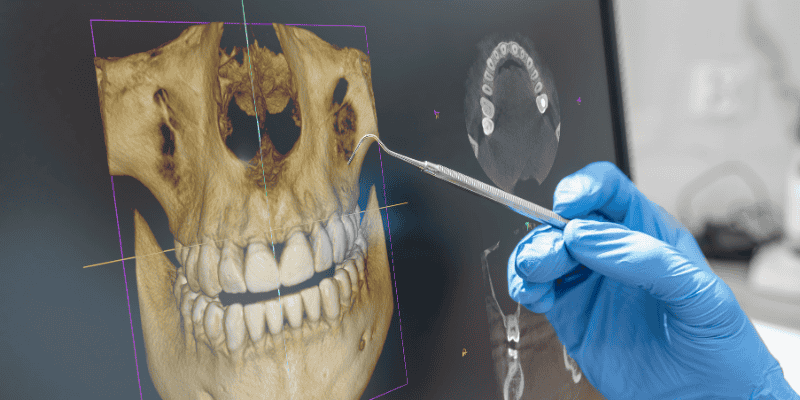
These detailed scans help your implant specialists plan exactly where to place each implant. The images show if you have enough bone for the implants or if you need additional procedures first.
Your dentist will also review your medical history during the consultation. They need to know about conditions like diabetes, medications you take, and any previous radiation treatment. This information helps them decide if you’re ready for the implant process or if certain health issues need to be addressed first.
Many clinics use guided surgery based on your 3D scans. This technology helps place implants more accurately and can make your procedure safer and more predictable.
Maintenance for Healthy, Lasting Results
Your final prosthesis needs daily cleaning just like natural teeth. Brush at least twice a day using a soft-bristled toothbrush and non-abrasive toothpaste.
A water flosser works well for cleaning around implants. It removes food particles and bacteria from hard-to-reach areas under your prosthesis. Use it daily along with regular brushing.
Good oral hygiene prevents infections and keeps your gums healthy. Visit your dentist every six months for professional cleanings and checkups. Your dentist will examine your implants and make sure everything is healing properly.
All-on-X dental implants have success rates over 95% when you maintain them properly. With consistent care, your implants can last for decades or even your entire lifetime.
Frequently Asked Questions
Several health conditions, bone quality issues, and lifestyle factors can affect whether you qualify for All-on-X dental implants. Understanding these potential barriers helps you know what to expect during your consultation.
What medical conditions could disqualify someone from getting All-on-X dental implants?
Uncontrolled diabetes is one of the most common conditions that can prevent you from getting All-on-X implants. When your blood sugar levels aren’t well managed, your body struggles to heal properly after surgery. A hemoglobin A1C test can show if your diabetes is controlled, and levels above 7.5 typically mean you need better management before moving forward with the procedure.
Chronic kidney disease affects how your bones process minerals and heal. If you have advanced kidney disease requiring dialysis, dental implants might not be a safe option. Early-stage kidney disease may still allow for implants, but your dentist will need to consult with your kidney specialist first.
If you’ve had radiation treatment to your head or neck for cancer, the affected jaw bone loses its ability to heal well around dental implants. The only exception is if you’ve had a bone transplant from another part of your body to rebuild your jaw.
Autoimmune diseases that require immunosuppressive medications can interfere with healing. Some rheumatoid arthritis medications may need to be paused during the healing period if your doctor approves.
How does insufficient jawbone density affect eligibility for All-on-X dental implant procedures?
You need adequate bone density for the implants to integrate successfully with your jaw. Without enough bone, the implants won’t have a stable foundation to support your new teeth. The All-on-X approach can accommodate some bone loss through angled implant placement, which is why it often works for patients who can’t get traditional implants.
If your bone loss is severe, you might need bone grafting before getting implants. This adds time to your treatment but can make you eligible for the procedure. Your dentist will use 3D X-rays to measure your bone density and determine if you have enough bone or need grafting first.
Osteoporosis affects bone quality throughout your body, including your jaw. Mild osteoporosis doesn’t automatically disqualify you, but severe cases with very porous bone might make immediate loading of implants impossible.
Can lifestyle choices like smoking impact suitability for All-on-X dental implants?
Smoking significantly reduces your chances of successful implant healing. Nicotine restricts blood flow to your gums and jawbone, which your body needs for proper healing. Smokers have much higher failure rates with dental implants compared to non-smokers.
Most dental specialists require you to quit smoking several weeks before surgery and throughout the healing period. This gives your body the best chance to integrate the implants successfully. If you can’t commit to quitting, your dentist may recommend waiting until you’re ready.
Heavy alcohol use can also interfere with healing and bone health. Your dentist will ask about your drinking habits during the consultation to assess if this might affect your treatment outcome.
Are there age restrictions when considering All-on-X dental implants?
There’s no upper age limit for All-on-X dental implants as long as you’re in good overall health. Many older adults successfully receive implants and enjoy the improved quality of life they provide.
Young adults need to wait until their jaw has finished growing before getting implants. This typically happens around age 18 for women and age 21 for men. Getting implants before your jaw is fully developed can cause problems as your facial structure continues to change.
Your overall health matters more than your age. A healthy 80-year-old may be a better candidate than a 50-year-old with uncontrolled diabetes or other serious health conditions.
Why might a person with periodontal disease not be a good candidate for All-on-X dental implants?
Active gum disease creates an infection in your mouth that can spread to your new implants. The bacteria causing periodontal disease can prevent proper healing and lead to implant failure. You need to treat and resolve any gum disease before moving forward with implant surgery.
Chronic periodontal disease often causes bone loss in your jaw. This bone loss can reduce the amount of healthy bone available to support your implants. Your dentist needs to evaluate how much damage has occurred and whether you have enough remaining bone.
Even after your periodontal disease is treated, you’ll need to maintain excellent oral hygiene. All-on-X dental implants require commitment to proper care to prevent future infections around the implants.
How can certain medications influence a person’s candidacy for All-on-X dental implants?
Bisphosphonates used to treat osteoporosis can cause serious complications with dental implants. These medications affect how your bone remodels and heals around implants. Whether you take them as pills or injections, bisphosphonates may make dental implant treatment not recommended.
Blood thinners don’t necessarily disqualify you, but they require careful management around surgery time. Your dentist and doctor will work together to adjust your medication safely before and after the procedure. Never stop taking blood thinners without consulting your prescribing physician.
Some medications for rheumatoid arthritis and other autoimmune conditions suppress your immune system. This can slow healing and increase infection risk. Your doctor may be able to pause these medications temporarily during the critical healing period.
Certain chemotherapy drugs also affect bone healing and your immune response. If you’re currently undergoing cancer treatment, you’ll likely need to wait until you complete therapy and get clearance from your oncologist.