

Dental crowns are built to last, but not all of them make it to their expected lifespan. While most crowns function well for 10 to 15 years, some fail much earlier due to problems that could have been prevented. Understanding why these failures happen can help you protect your investment and avoid unexpected dental visits.
The most common reasons crowns fail early include decay under the crown, teeth grinding, and poor oral hygiene. Other factors like improper fit, trauma from biting hard foods, or unresolved issues with the tooth underneath can also lead to early problems.
The good news is that many of these issues are within your control.
Your crown’s success depends on more than just the material it’s made from. The way your dentist places it, how well you care for it, and your daily habits all play important roles. By learning what causes premature crown failure and taking simple preventive steps, you can help your crown last for many years.
Key Takeaways
- Most dental crowns last 10 to 15 years with proper care and maintenance
- Poor oral hygiene, teeth grinding, and improper fit are the leading causes of early crown failure
- Regular dental checkups and protecting your crown from hard foods can significantly extend its lifespan
Schedule a crown evaluation in Hampstead, NC to check for early signs of crown failure.
What Is Dental Crown Longevity?
Dental crown longevity refers to how long your crown remains functional and intact before needing replacement. Most crowns serve you well for 10 to 15 years, though some last much longer with proper care.
Average Lifespan of Dental Crowns
Most dental crowns last 10 to 15 years with regular maintenance and good oral hygiene habits. However, your crown’s lifespan depends heavily on the material your dentist uses.
Gold and metal alloy crowns often provide the longest service, lasting 15 to 30 years or more. Zirconia crowns offer excellent durability, typically lasting 10 to 20+ years while still looking natural. Porcelain crowns usually last 5 to 15 years, making them better suited for front teeth where appearance matters most.
Studies show that dental restorations have survival rates exceeding 90% at the five-year mark. With excellent care, some crowns have been known to last 40+ years. Your individual results depend on factors like oral hygiene, bite force, and lifestyle habits.
The location of your crown also affects how long it lasts. Back teeth face heavy chewing pressure, which can shorten crown lifespan. Front teeth experience less stress but may need earlier replacement for cosmetic reasons.
Typical Uses for Dental Crowns
Dentists recommend crowns for several common dental problems that compromise your tooth structure. You might need a crown after a root canal procedure to protect the weakened tooth from fracture.
Large cavities that leave insufficient healthy tooth structure also require crowns. When a filling would be too large to support itself, a crown covers and strengthens the entire tooth. Cracked or fractured teeth benefit from the protective cap a crown provides.
Crowns also restore severely worn teeth from grinding or acid erosion. They improve both function and appearance in these cases. Many people choose crowns to cover discolored or misshapen teeth that don’t respond well to other cosmetic treatments.
Dental implants use crowns as the visible tooth replacement attached to the metal post. Bridges rely on crowns placed on adjacent teeth to support the replacement tooth in between.
Visit our Hampstead, NC dental team for expert crown repair and replacement care.
Types of Dental Crowns and Their Durability
Different dental crown materials offer varying levels of strength and lifespan, with metal and zirconia options lasting longer than porcelain alternatives. Your crown choice affects how many years it will protect your tooth and whether it can handle the pressure of chewing.
Porcelain Crowns and Ceramic Crowns
All-ceramic crowns and porcelain crowns look the most natural because they match your tooth color perfectly. These crowns work best for your front teeth where appearance matters most. Porcelain or ceramic dental crowns last about 10 years on average with proper care.
Ceramic crowns break more easily than metal options because the material is less flexible. You need to avoid biting hard objects like ice or using your front teeth to open packages.
Lithium disilicate is a stronger type of all-ceramic crown material that can handle more pressure. This makes it suitable for some back teeth in addition to front teeth. Your dentist will recommend ceramic crowns when you want the best appearance and don’t have heavy bite forces.
Metal Crowns and Gold Crowns
Metal crowns are the strongest option for your back teeth where chewing forces are highest. Gold crowns have proven to be the most durable and long-lasting option, with a lifespan of 10-15 years or longer with proper care.
A gold crown rarely chips or breaks because the metal can bend slightly under pressure without cracking. Metal alloys used in these crowns also resist wear extremely well.
The main drawback is appearance since the metallic color stands out when you smile or talk. Most people choose metal crowns only for molars that aren’t visible. These crowns require less tooth removal during preparation because the metal can be thinner while maintaining strength.
Porcelain-Fused-to-Metal Crowns
PFM crowns combine a metal base with a porcelain outer layer to balance strength and appearance. The metal provides durability while the porcelain coating looks like a natural tooth. These dental crowns work well for both front and back teeth.
PFM crowns last around 10 to 15 years depending on your bite and care habits. The porcelain layer can chip or break away from the metal underneath, especially if you grind your teeth at night.
You might see a dark line at your gum line as your gums recede over time. This happens because the metal shows through where the crown meets your tooth. A pfm crown costs less than all-ceramic options while offering better durability than pure porcelain.
Zirconia Crowns and Modern Materials
Zirconia crowns offer the best combination of strength and appearance among modern dental crown materials. Zirconia crowns, like gold crowns, can last up to and over 20 years when placed correctly.
A zirconia crown is strong enough for any tooth in your mouth, including molars that handle heavy chewing. The material resists chips and cracks better than traditional ceramic crowns while still looking natural.
These crowns cost more than other types but their extended lifespan makes them worth considering. Zirconia doesn’t require as much tooth removal as PFM crowns because the material maintains strength even when thin. Your dentist can use computer technology to design and mill zirconia crowns quickly, sometimes in a single appointment.
Request a consultation to evaluate your crown and prevent complications.
Why Some Dental Crowns Fail Early
Crowns can fail before their expected lifespan due to problems with how they fit, the materials used, or issues with the tooth underneath. Understanding these common causes of premature crown failure helps you protect your investment and avoid unexpected dental problems.
Premature Crown Failure Causes
The most common reason for dental crown failure is decay forming under the crown. When bacteria get trapped between your tooth and the crown, cavities can develop without you noticing any symptoms at first.
Poor oral hygiene leads to plaque buildup around the crown margins. This creates an environment where bacteria thrive and attack the tooth structure beneath your crown.
Teeth grinding, also called bruxism, puts extreme pressure on your crowns during sleep. This constant force can crack the crown material or loosen the bond between the crown and your tooth. Many people don’t even realize they grind their teeth until damage occurs.
The cement holding your crown in place can break down over time. When this happens, you may notice crown movement or feel your crown becoming loose. Food particles and bacteria can then seep underneath, leading to decay and infection.
Fit and Bite Issues
An improper fit is one of the main reasons crowns fail early. When your dentist doesn’t shape the crown correctly or takes inaccurate impressions, gaps form between the crown and your natural tooth.
These gaps at the crown margins create spaces where bacteria accumulate. Even the smallest opening can allow food debris and plaque to get trapped underneath your crown.
Bite problems occur when your crown sits too high or doesn’t align properly with your other teeth. This causes you to hit the crown harder when you chew, which increases pressure on that specific tooth. Over time, this uneven force can crack the crown or damage the tooth underneath.
You might experience pain when biting down or notice that your jaw feels off after getting a new crown. These are warning signs that your bite needs adjustment before more serious problems develop.
Material Weaknesses
Different crown materials have different strengths and weaknesses. Porcelain crowns can chip or crack more easily than metal crowns, especially if you bite down on hard foods. All-ceramic crowns look natural but may not hold up as well under heavy chewing forces.
The quality of materials your dentist uses directly affects how long your crown lasts. Lower-grade materials or older ceramic formulations are more prone to fractures and wear.
Metal crowns rarely break but can cause other issues. Some people have allergic reactions to certain metals, which can lead to inflammation around the crown. Gold and other metal alloys typically last longer but cost more upfront.
Porcelain-fused-to-metal crowns combine strength with appearance. However, the porcelain layer can still chip off the metal base, exposing the dark metal underneath.
Tooth Structure and Support Problems
Your natural tooth must have enough healthy structure to support a crown. When too much of your original tooth is damaged or decayed, the crown doesn’t have a solid foundation to attach to.
Root canal treated teeth become more brittle over time. These teeth can crack under the crown, leading to premature crown failure that requires extraction. Your dentist may recommend a post and core buildup to strengthen the tooth before placing the crown.
Gum disease weakens the bone and tissue supporting your tooth. As your gums recede, they expose the crown margins and tooth structure beneath. This not only looks unattractive but also makes the tooth more vulnerable to decay and instability.
Cracks in your tooth that existed before crown placement can continue to spread underneath. You won’t be able to see these cracks, but they compromise the entire restoration and may eventually cause the tooth to split.
Oral Habits and Lifestyle Factors Impacting Crown Longevity
Your daily habits play a major role in how long your dental crown lasts. The way you use your teeth, what you eat, and how you care for your mouth can either protect your crown or cause it to fail early.
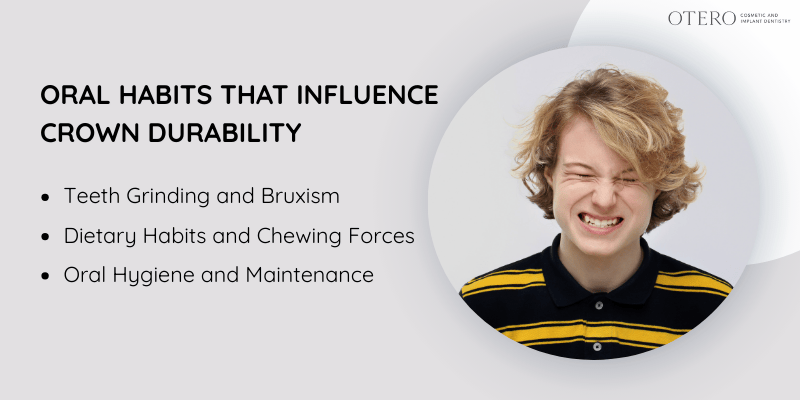
Teeth Grinding and Bruxism
Grinding your teeth puts intense pressure on your crown. This habit, called bruxism, often happens while you sleep without you realizing it.
The constant grinding creates stress that weakens the bond between your crown and tooth. Over time, this can cause cracks in the crown material or loosen it completely. Metal crowns handle grinding better than porcelain ones, but no crown is safe from severe bruxism.
You might grind your teeth due to stress, sleep problems, or bite alignment issues. Many people who grind also clench their jaw during the day.
A night guard protects your crown from grinding damage. Your dentist can make a custom guard that fits over your teeth while you sleep. This simple device absorbs the grinding forces and helps your crown last years longer.
Dietary Habits and Chewing Forces
What you eat affects your crown’s lifespan. Chewing ice or hard objects can damage dental crowns and cause chips or cracks.
Hard foods create strong forces that stress your crown. Items like hard candy, nuts, and popcorn kernels are common culprits. Sticky foods like caramel can pull on your crown and loosen it.
Acidic and sugary foods weaken the seal around your crown edges. This lets bacteria sneak under the crown and cause decay in the tooth underneath.
Foods to avoid or eat carefully:
- Ice cubes
- Hard candy
- Unpopped popcorn kernels
- Sticky caramels and taffy
- Very hard crusty bread
You don’t need to give up these foods completely. Just be mindful and chew carefully with your back teeth instead of your crowned tooth when possible.
Oral Hygiene and Maintenance
Daily oral hygiene directly protects crown margins where decay often starts. Brushing twice daily and flossing once removes plaque that builds up around your crown edges.
The area where your crown meets your natural tooth is vulnerable. Bacteria collect there and can cause decay underneath the crown. This decay is a common reason for early crown failure.
Use a soft-bristled toothbrush and fluoride toothpaste. Brush gently around the crown using small circular motions. Floss carefully between your crowned tooth and the teeth next to it.
Regular dental checkups catch problems early. Your dentist can spot loose crowns, bite issues, or decay before you need a full replacement. Professional cleanings remove buildup you might miss at home.
How to Extend the Life of Your Dental Crowns
Taking care of your dental crowns through proper daily cleaning, avoiding damaging habits, and keeping up with dental visits can help your crowns last 15 years or longer instead of needing early replacement.
Daily Care and Cleaning Tips
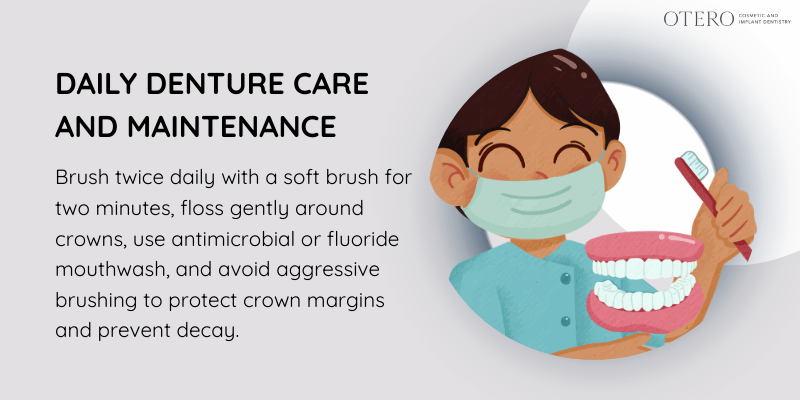
Brushing your teeth twice a day with a soft-bristled toothbrush is the foundation of crown care. You should brush for two full minutes, paying attention to where your crown meets your natural tooth and gum line.
Flossing daily is just as important for dental crown longevity. Slide the floss gently between your teeth and curve it around each tooth to remove plaque and food particles. This prevents bacteria buildup that can cause decay under your crown.
Adding an antimicrobial mouthwash to your routine gives you extra protection. Rinse for 30 to 60 seconds after brushing to reach areas your toothbrush might miss. Choose a fluoride mouthwash to strengthen your teeth and protect against decay.
You should also brush gently around your crowns rather than scrubbing hard. Aggressive brushing can damage the crown margins and irritate your gums.
Preventing Crown Damage
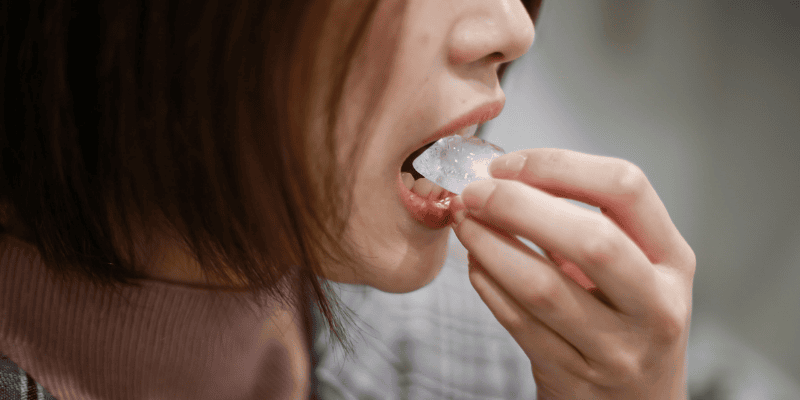
Avoiding hard and sticky foods protects your crowns from cracks and breaks. Don’t chew ice, hard candy, popcorn kernels, or other tough foods that put extra pressure on your dental crowns.
If you grind your teeth at night, ask your dentist about a nightguard. Teeth grinding puts excessive force on crowns and can cause them to crack or come loose over time.
Foods and habits to avoid:
- Chewing on pens, pencils, or fingernails
- Opening packages with your teeth
- Biting into whole apples or hard vegetables
- Sticky candies and chewing gum on the crown side
- Using your teeth as tools
Quitting smoking and limiting alcohol also helps your crowns last longer. Smoking weakens gum tissue around crowns, while excessive alcohol can contribute to dry mouth and increased bacteria growth.
Regular Dental Checkups and Early Intervention
Visiting your dentist every six months lets them check your crowns for early signs of problems. Your dentist can spot issues like loose crowns, decay, or gum disease before they require crown replacement.
Professional cleanings remove tartar buildup that regular brushing can’t eliminate. The hygienist cleans around your crowns carefully to prevent gum inflammation and keep the area healthy.
Early intervention saves you money and extends crown life. If your dentist notices a small crack or loose crown, they can often repair it before it becomes a bigger problem. Tell your dentist right away if you notice any sensitivity, pain, or changes around your crown.
X-rays during checkups help your dentist see what’s happening under your crown. They can detect decay or bone loss that isn’t visible during a regular exam.
When Replacement Is Needed: Signs and Solutions
Recognizing when your dental crown needs attention can prevent bigger problems, and understanding the replacement process helps you know what to expect when restoration becomes necessary.
Warning Signs of Crown Failure
Your body often tells you when something is wrong with your crown. Pain or sensitivity around the crowned tooth means the seal may be broken, allowing bacteria to reach the tooth underneath.
You might notice your crown feels loose or wiggles when you touch it with your tongue. This happens when the cement holding it in place breaks down over time. Gum pain or bleeding around the crown signals potential problems that need attention.
Visible cracks or chips in the crown material require evaluation. Even small damage can worsen quickly and expose your tooth to decay. Dark lines appearing at the gum line indicate metal showing through or decay forming beneath the crown edge.
Changes in how your bite feels matter too. If your crown suddenly feels too high or catches differently when you chew, the crown may have shifted or worn down unevenly.
The Crown Replacement Process
Getting a new crown typically takes two visits to your dentist. During the first appointment, your dentist removes the old crown and cleans away any decay on the tooth underneath.
They reshape the tooth if needed and take impressions or digital scans of your prepared tooth. A temporary crown protects your tooth while the lab creates your permanent restoration. This usually takes one to two weeks.
At your second visit, your dentist removes the temporary crown and checks the fit of your new permanent crown. They make any needed adjustments to ensure it matches your bite perfectly. Once everything looks good, they cement the new crown in place.
Same-day crowns offer a faster option at some dental offices. These use special technology to design and create your crown in a single appointment.
Proactive Steps for Long-Term Success
Daily brushing and flossing protect the edges where your crown meets your natural tooth. Plaque builds up in these areas and causes the decay that leads to early crown replacement.
Visit your dentist every six months for cleanings and checkups. These visits let your dentist spot small problems before they become bigger issues requiring full replacement.
Avoid chewing ice, hard candies, or other extremely hard foods that can crack your crown. If you grind your teeth at night, ask your dentist about a night guard to protect your dental restorations from excessive wear.
Keep your gums healthy through proper oral care. Gum disease causes gum recession that exposes crown edges and tooth roots, creating weak spots where problems start.
Frequently Asked Questions
Dental crowns can fail for multiple reasons, from poor oral care to grinding teeth at night. Knowing the warning signs and understanding how to protect your crown helps it last longer.
What factors can contribute to a dental crown failing prematurely?
Poor oral hygiene is one of the main causes that leads to early crown failure. When you don’t brush and floss properly, plaque builds up around the base of your crown and can cause decay in the tooth underneath.
Teeth grinding, also called bruxism, puts constant pressure on your crown. This wears it down faster and can cause cracks or breaks.
Chewing on hard objects like ice, pens, or hard candy can damage your crown. These habits put extra stress on the crown that it wasn’t designed to handle.
An incorrectly placed crown creates gaps where bacteria can get in. This leads to decay and infection under the crown.
Low-quality materials wear out faster than high-quality ones. Choosing the right material for the location of your tooth matters for how long your crown will last.
How can I tell if my dental crown is not fitted properly?
You might feel like your bite is off or uneven when you close your teeth together. A crown that sits too high or too low changes how your teeth meet when you bite down.
Pain or discomfort when chewing food is another sign. Your crown should feel comfortable and natural, not painful.
You may notice the crown feels loose or like it’s moving slightly. A properly fitted crown should feel stable and secure at all times.
Food getting stuck around the crown more than usual suggests there are gaps. These spaces between the crown and your natural tooth shouldn’t be there.
What are the signs that a dental crown needs to be replaced?
Sensitivity to hot or cold foods that you didn’t have before is a warning sign. This often means decay has developed under the crown or the seal has broken.
Pain while biting or chewing suggests something is wrong. You shouldn’t feel discomfort from a healthy crown.
Visible cracks or chips on the crown surface mean the structure is compromised. Even small cracks can get worse over time.
The crown feeling loose or moving is a clear sign it needs attention. This means the bond between the crown and tooth has weakened.
Swelling or inflammation of the gums around the crown indicates infection. Bad breath that doesn’t go away even after brushing can also signal problems under the crown.
A change in color compared to your other teeth might mean the crown material is breaking down. Discoloration of the gum line around the crown is also concerning.
Can certain foods or habits cause a dental crown to wear out sooner?
Chewing hard objects damages your crown faster than normal use. Ice, hard nuts, pen caps, and fingernails all put stress on the crown that can cause cracks.
Acidic drinks like soda, wine, and citrus juices weaken the surface of your crown. They also affect the bond between the crown and your natural tooth.
Using your teeth as tools to open packages or bottles puts extreme pressure on crowns. This habit can cause your crown to break or come loose.
Grinding your teeth at night wears down the crown material. If you grind your teeth, wearing a night guard protects your crown.
Sticky foods like caramel or taffy can pull on your crown. While they won’t usually cause problems with a well-fitted crown, they add unnecessary stress.
What is the typical lifespan of a dental crown with proper care?
A well-made dental crown typically lasts 10 to 15 years with good care. Some crowns stay functional for 20 years or even longer.
The material used affects how long your crown lasts. Zirconia crowns are very strong and resist wear well, while porcelain crowns look natural but may be less durable.
Your daily habits play a big role in crown longevity. Brushing twice daily, flossing, and avoiding hard foods help your crown last longer.
The most common reasons crowns fail early are decay under the crown, teeth grinding, and poor oral hygiene. Taking care of these issues extends your crown’s life.
How often should I have my dental crown checked by a dentist?
You should visit your dentist every six months for routine checkups. These regular visits help catch problems early before they get worse.
During these appointments, your dentist checks the crown placement and looks for signs of wear. They also check for cavities underneath the crown and inflammation around the gums.
Professional cleanings remove plaque and tartar that build up around your crown. This prevents decay and gum disease that could damage the tooth under your crown.
If you notice any sudden changes like pain, sensitivity, or movement, contact your dentist right away. Don’t wait for your regular checkup if something feels wrong.