

Turning 40 doesn’t mean you missed your chance for straighter teeth.
Your bones and teeth still respond to gentle pressure, so Invisalign for adults over 40 can move teeth into better positions just like it does for younger patients.
The process looks a little different once you’ve had more years of dental history, but that doesn’t rule it out.
You might be dealing with old fillings, a few crowns, or some gum recession by now.
These things matter for your treatment plan, but they don’t automatically stop you from being a good candidate for adult orthodontic treatment.
Your dentist will check your gums, bone levels, and any existing dental work before mapping out a plan that fits your mouth today.
This post walks you through what actually changes clinically after 40, what your daily routine with aligners might look like, and how to pick a provider who can protect your results for the long haul.
You’ll get a clear picture of what to expect so you can decide if working toward a healthier smile and better long-term dental health is right for you.
Key Takeaways
- Age alone doesn’t prevent your teeth from shifting into a straighter position.
- A dentist will need to review your gum health and any existing dental work before starting treatment.
- Daily wear time and follow-up care play a big role in how well your results hold up over time.
Why Age 40 Is Not a Barrier to Tooth Movement
Your teeth can still move at 40, 50, or beyond because the same biological process that shifts teeth in your teens keeps working throughout your life.
The main difference is speed, and knowing why can help you set realistic expectations for your treatment.
How Bone Remodeling Moves Adult Teeth
Your teeth move through a process called bone remodeling. When you wear aligners, gentle pressure is placed on your teeth.
This pressure signals your body to break down bone on one side of the tooth and build new bone on the other side.
This process doesn’t stop as you age. Your body still responds to the pressure from your aligners, just like it did when you were younger.
That’s why adult orthodontics works so well, even decades after your teeth first came in.
The cells responsible for this process, called osteoclasts and osteoblasts, stay active your whole life. They just may work a bit more slowly as you get older.
Why Slower Tooth Movement Can Change Timelines
You should expect your treatment to take a bit longer than it might have in your 20s. Slower tooth movement is common in adults over 40, and it’s mostly due to changes in bone turnover rates.
Your bone doesn’t remodel as quickly as it did when you were younger. This means your teeth may need more time to shift into their new positions.
This doesn’t mean your treatment will fail. It simply means you’ll want to plan for a realistic timeline with your orthodontist.
Many adults see excellent results, just over a slightly longer period than younger patients.
The Role of Bone Density and Bone Support
Bone density and bone support play a big role in how well your teeth respond to treatment. As you age, your bone density can naturally decrease, which may affect how quickly your teeth move.
Strong bone support is still essential for healthy tooth movement. Your orthodontist will check your bone health before starting treatment to make sure your teeth have enough support to shift safely.
If you have any bone loss from gum disease or other conditions, your orthodontist may adjust your treatment plan.
This helps protect your teeth and gums while still working toward good orthodontic outcomes.
The Oral Health Checks Needed Before Treatment
Before your dentist fits you for Invisalign, they need to check your gum health and look for signs of bone loss.
These checks matter more once you pass 40, since gum disease and periodontal disease become more common with age.

Why Healthy Gums Come First
Healthy gums hold your teeth in place while Invisalign moves them. If your gums are inflamed or infected, your teeth may not shift the way they should.
Gum disease can also make your teeth loose. This makes it risky to add pressure from aligners.
Your dentist will check for redness, swelling, and bleeding. These are early signs of gum problems that need attention first.
Getting your gum health in order before you start also lowers your risk of gum recession during treatment.
Moving teeth through unhealthy gum tissue can make recession worse, so this step protects your smile long-term.
When Gum Disease or Bone Loss Must Be Treated First
If your dentist finds periodontal disease or bone loss, you will need treatment before you can start Invisalign.
This is not just a suggestion. Moving teeth without a stable foundation can cause more damage to your gums and jawbone.
Common treatments include deep cleanings, called scaling and root planing. In some cases, you may need a referral to a periodontist for more advanced care.
Bone loss is a bigger concern for adults over 40. Your dentist will use X-rays to check the bone level around your teeth.
If bone support is weak, your teeth may not move safely, even with gentle aligner pressure.
Skipping this step can lead to loose teeth or worse gum recession down the road.
What a Periodontal Evaluation Includes
Your dentist will measure the pockets around each tooth using a small tool. Deeper pockets can point to periodontal disease.
Here is what this exam typically covers:
- Gum pocket measurements around every tooth
- X-rays to check bone levels
- A visual check for gum recession or swelling
- A review of your dental cleanings history and oral hygiene habits
- Notes on any bleeding or tenderness during the exam
This evaluation gives your dentist a clear picture of your dental health. It helps them decide if you are ready for aligners now or if you need treatment first.
Regular oral hygiene at home, paired with routine dental cleanings, also supports a strong result once your Invisalign timeline for adults over 40 gets underway.
Which Alignment and Bite Concerns Clear Aligners Can Treat
Clear aligners can fix a range of issues, from crowded or gapped teeth to certain bite problems like overbites and crossbites.
But how well they work depends on how severe your case is, which is something worth understanding before you start treatment after 40.
Crowding, Spacing, and Orthodontic Relapse
If your teeth have shifted or crowded together over the years, clear aligners can often help. They work well for mild to moderate crowding, gently moving teeth into better positions over several months.
Gaps between teeth can also be closed with clear aligner treatment. This is a common issue for adults, especially if you had braces years ago and your teeth have relapsed since then.
Orthodontic relapse happens when teeth slowly drift back toward their original spots after treatment ends. If you didn’t wear a retainer consistently, this is likely why your smile looks different now.
For severe crowding, though, aligners have limits. In these cases, your dentist may need to remove a tooth or recommend traditional braces instead.
Overbite, Underbite, and Crossbite Correction
Bite problems are common, and clear aligners can treat several types with good results. Here’s a quick breakdown:
- Overbite: Mild to moderate cases often respond well to aligners.
- Underbite: Aligners can help with minor cases, but jaw surgery may be needed for severe ones.
- Crossbite: Aligners can shift teeth into better alignment for many patients.
Bite correction with aligners focuses on moving teeth, not the jawbone itself.
This means bite alignment improves for teeth-related issues, but skeletal problems—where the jaw itself is misaligned—need a different approach.
If you have moderate bite issues, ask your dentist for a full evaluation. They’ll check whether your case is a good match for aligners or needs something more.
When Traditional Braces May Be the Better Choice
Traditional braces are still the better option for some cases, especially involving the jaw or severe misalignment.
If you have significant bite problems that involve how your jaw sits, braces give your orthodontist more control.
Braces can also apply more force in specific directions. This makes them useful for rotating teeth or closing larger gaps that aligners struggle with.
If you’re missing several teeth or have unusual tooth shapes, braces may work better too. Your dentist can guide you based on X-rays and a full exam.
Getting straight teeth after 40 is possible with either option. The key is choosing the treatment that matches the complexity of your specific case.
How Existing Dental Work Affects the Treatment Plan
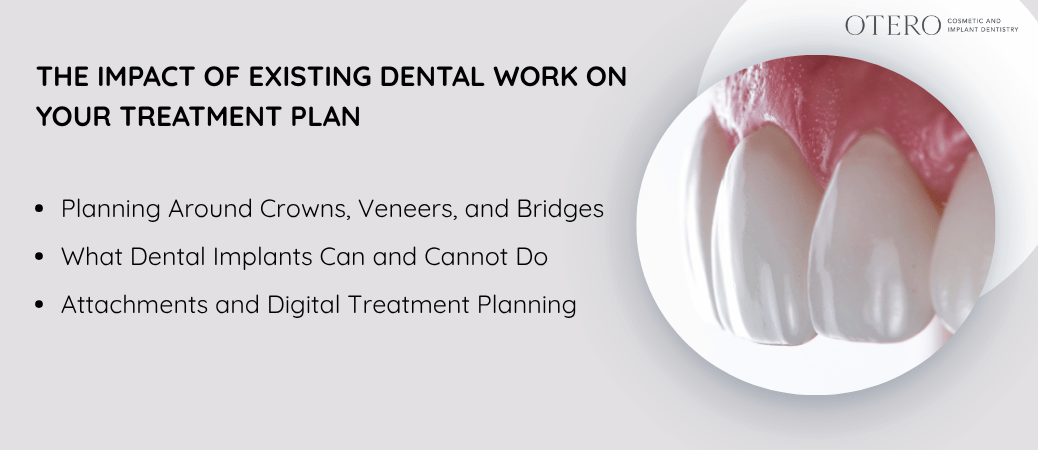
By your 40s, you may have crowns, veneers, bridges, or implants in your mouth. Each of these affects how your teeth move, so your dentist needs to factor them into your custom aligners before treatment begins.
Planning Around Crowns, Veneers, and Bridges
Crowns and veneers have a different shape and surface than natural teeth. This can make it harder for aligners to grip and shift them the way they would a normal tooth.
Bridges are trickier because they connect two or more teeth together.
Since the teeth under a bridge cannot move on their own, your dentist has to build the treatment plan around dental restorations instead of trying to force movement.
None of these are automatic dealbreakers. Your dentist will look at where the crowns, veneers, or bridges sit in your mouth and plan tooth movement around them.
In many cases, minor adjustments to the aligner design solve the problem.
What Dental Implants Can and Cannot Do
Dental implants are different from natural teeth in one key way: they don’t move. Once an implant is placed, it fuses to your jawbone, so aligners can’t shift it like they would a regular tooth.
This means your orthodontic care has to treat the implant as a fixed point. The aligners will move the teeth around it instead.
Your dentist may use the implant as an anchor to help guide other teeth into place.
If you’re considering Invisalign with dental implants already in place, your dentist will map out which teeth can shift and which can’t before finalizing your plan.
Attachments and Digital Treatment Planning
Digital scans are the starting point for almost every modern Invisalign treatment. These scans give your dentist a precise 3D map of your teeth, including any crowns, bridges, or implants.
From there, small tooth-colored attachments are often added to certain teeth. These bumps give the aligners something to grip, which helps them apply the right amount of pressure in the right direction.
If you have dental work, your dentist may place attachments differently than they would for someone with all-natural teeth. This keeps pressure off restorations while still moving the teeth that need to shift.
Daily Life, Timeline, and Comfort With Invisalign
Fitting Invisalign into your daily routine after 40 mostly comes down to consistent wear, patience with the timeline, and a solid cleaning habit for your aligners and your teeth.
Once you know what to expect, it becomes a normal part of your day pretty quickly.
Wear-Time Rules and Aligner Changes
Your aligners need to stay in for 20 to 22 hours a day to work the way they’re supposed to. That leaves you a couple hours for eating and cleaning your teeth, and that’s about it.
You’ll get a new set of removable aligners roughly every one to two weeks, based on what your dentist maps out for you.
Each new tray shifts your teeth slightly, so you might feel some tightness for a day or two after every switch.
If you skip too many hours or forget your aligners often, treatment can take longer than planned.
Sticking close to that 20 to 22 hours per day window keeps things on track and helps you avoid extra refinement trays down the road.
Typical Treatment Timelines After 40
Most adults see early signs of movement within four to six weeks, even though it feels subtle at first. Noticeable changes to your smile usually show up between three and six months in.
Full treatment for adult Invisalign cases tends to run anywhere from 12 to 18 months, though this depends on how much your teeth need to shift.
Adults over 40 sometimes see longer timelines than younger patients because bone density and gum tissue don’t respond as quickly.
Your dentist will check your progress at regular visits and may adjust your plan if things move faster or slower than expected.
Invisalign for adults often includes small refinements near the end to fine-tune your bite.
Brushing, Flossing, and Keeping Aligners Clean
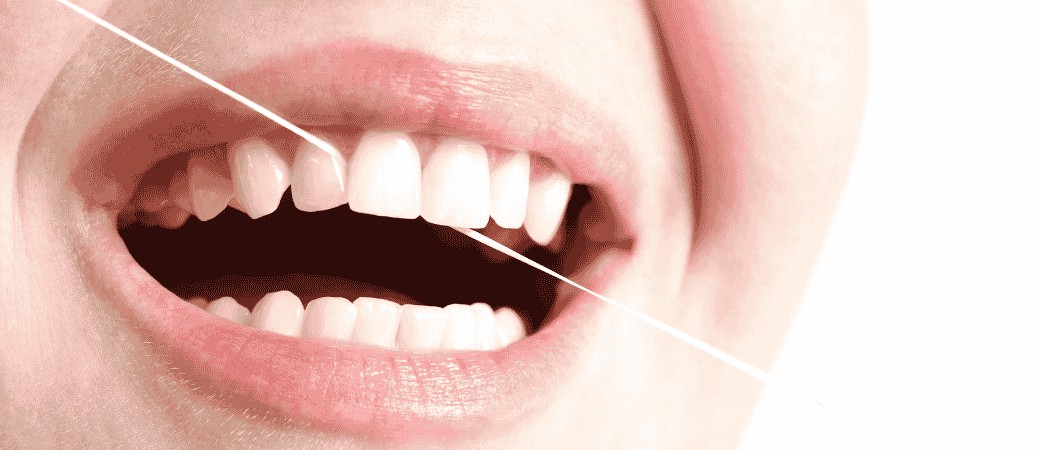
Good oral hygiene matters more with Invisalign since bacteria can get trapped between your teeth and the aligner if you’re not careful. Brush and floss after every meal, before you put your aligners back in.
Rinse your aligners with lukewarm water each time you take them out, and give them a gentle brush with a soft toothbrush. Avoid hot water, since it can warp the plastic.
Skipping cleaning steps can lead to bad breath, stained aligners, or even cavities.
Keeping up with brushing and flossing, along with basic dental hygiene habits you already know, protects both your teeth and your investment in the treatment.
Choosing a Provider and Protecting Your Results
Picking the right provider and sticking to a retainer plan will make a big difference in how your results hold up over time.
Here’s what you need to know about finding good care and keeping your smile straight for years to come.
Why Choosing an Experienced Invisalign Provider Matters
You want an experienced provider overseeing your Invisalign treatment, especially when tooth movement needs to account for your existing bite, gum health, bone support, and previous dental work.
At Otero Cosmetic & Implant Dentistry, our dental team takes these factors into account when evaluating your smile and developing a personalized treatment plan.
This comprehensive approach helps determine whether Invisalign is appropriate for your needs and how treatment should be planned.
If you’re considering Invisalign after 40, ask about your current oral health, previous restorations, and any factors that could affect tooth movement.
A personalized evaluation can give you a clearer idea of what to expect before treatment begins.
Retainers and Ongoing Dental Care
Once your aligner treatment ends, retainers become your best tool for keeping teeth in place. Your teeth can drift back toward their old positions within months if you skip wearing them.
Most providers recommend wearing retainers full-time for a while, then switching to nights only. Your orthodontist will give you a specific schedule based on how your teeth moved.
Regular dental cleanings still matter just as much after Invisalign as before. Keep your six-month checkups on the calendar so your dentist can watch for any shifting or wear issues.
Talk to your provider about how long you should wear retainers and what signs mean they need adjusting or replacing.
Retainers wear out over time, so don’t assume the ones you got at the end of treatment will last forever without checkups.
Realistic Goals for a Healthier Smile
Your results after 40 will look different from what a teenager might expect, and that’s okay. The goal is a healthier smile and better function, not perfection.
Set realistic expectations with your provider before you start. Ask what changes are possible given your specific teeth, gums, and any past dental work you’ve had done.
Good orthodontic outcomes at this age often mean fixing bite problems, reducing strain on your jaw, or making teeth easier to clean.
These changes support your long-term oral health even if your teeth don’t end up perfectly straight.
Focus on what actually improves your daily life, like less discomfort when chewing or easier flossing. A straighter smile is a nice bonus, but better dental health is the real win here.
Frequently Asked Questions
Adults in their 40s and beyond often have the same core questions about cost, timeline, and results before they commit to treatment. Here are direct answers to what you probably want to know.
Is Invisalign worth it in your 40s?
Yes, it can be a good choice for you. Many adults over 40 find that Invisalign fits well into their lifestyle because it’s removable and less noticeable than metal braces.
Straighter teeth can also help you clean your mouth better. This may lower your risk of cavities and gum problems down the road.
How long does Invisalign treatment usually take after age 40?
Your treatment time depends on how much your teeth need to move. On average, adults can expect treatment to take 12 to 18 months, though some cases may run longer.
Your dentist or orthodontist will give you a more exact timeline once they look at your teeth and bite.
Are teeth harder to move with Invisalign as you get older?
Your teeth can move at a slower pace as you age. This happens because adults have denser bone than teens, and your teeth and jaw are fully done growing.
Steady pressure from your aligners still works, though. It just might take a bit more patience to see the full results.
What should I know before starting Invisalign in my 40s?
Get a full checkup before you start. If you have gum disease, it needs to be treated first so your gums are healthy and stable enough to handle the treatment.
You should also tell your dentist about any missing teeth, dental work, or bite issues. This helps them build a plan that fits your specific mouth.
How much does Invisalign typically cost for adults over 40?
Cost varies based on your case and where you live. In general, clear aligner treatment can run between $1,200 and $8,500. Many offices offer financing options to help spread out the cost.
Will I need to wear retainers permanently after Invisalign?
Most people need to wear retainers to keep their new smile in place. Your teeth can shift back over time if you skip this step, so your dentist will likely suggest wearing a retainer at night for as long as you can.
This is a normal part of the process for patients of any age, not just something unique to adults over 40.