
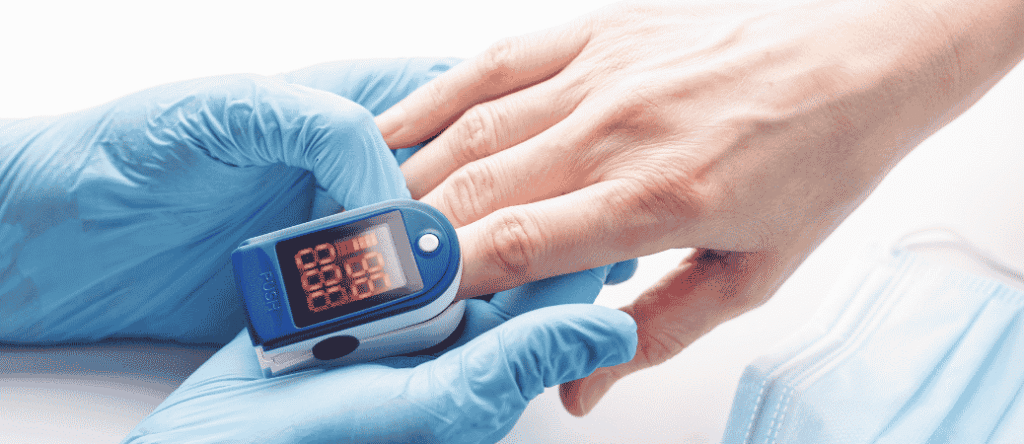
If you are planning dental IV sedation, your care team watches your breathing, oxygen level, heart rhythm, and blood pressure from start to finish.
That watching is the core of patient safety during dental sedation, and it has been standard for years.
Artificial intelligence (AI) is a newer layer on top of that.
When discussing AI and IV sedation safety, the key point is that AI can analyze several vital signs at once, identify concerning patterns early, and alert a trained clinician, who then decides what to do.
It supports your care team. It does not replace them, and most of the predictive and automated tools are still being studied.
You deserve a clear picture of what this technology does well, where it falls short, and what to ask before your visit.
Key Takeaways
- Standard monitors track your breathing, oxygen, and heart, and AI adds pattern-spotting on top of that data.
- Early warnings and dosing tools are promising, but most remain in research and always need a clinician in charge.
- Bad sensor readings and false alarms are real limits, so ask your practice plainly how they monitor you.
What Does AI Monitor During IV Sedation?
AI watches the same vital signs your care team already tracks, then looks for patterns across them.
Basic monitors show each number on its own, while AI tools try to connect the dots between them in real time.
How Do Monitors Track Breathing, Oxygen, and Heart Activity?
During IV sedation, several sensors stay on you the whole time. Each one feeds a number or wave onto a screen your care team watches:
- Pulse oximeter: a small clip on your finger that measures how much oxygen is in your blood and your pulse.
- Blood pressure cuff: inflates every few minutes to check your pressure.
- Electrocardiogram (ECG): sticky pads on your chest that trace your heart’s electrical rhythm.
- Breathing monitor: often a capnography line near your nose that measures the carbon dioxide you breathe out, which shows whether you are breathing well.
One practical tip: tell your team if a finger clip feels loose or a pad itches. A sensor that slips gives weaker readings, and a simple fix helps keep the numbers accurate.
How Can AI Spot Changes Across Multiple Vital Signs?
AI looks at many signals together. A slight drop in oxygen, a slower breathing rate, and a small change in heart rhythm might each seem minor alone. Together, they can point to a problem forming.
The tools behind this include machine learning, where a computer learns patterns from large amounts of past patient data.
Neural networks and deep learning are types of machine learning that handle complex signals like ECG waves.
One review describes software that analyzes ECG signals, blood pressure, and breathing rate together to catch changes that could signal a problem and alert the physician quickly.
For dental care, a small pilot study looked at using AI to support monitoring during IV moderate sedation. Pilot studies are early, small tests.
They show an idea is worth exploring, and larger studies still need to confirm it.
How Can Earlier Warnings Help the Care Team?
Earlier warnings give your care team more time to act before a small change becomes a serious one. This is called predictive analytics: using current data to estimate what is likely to happen next.
Which Warning Signs Can Predict a Sedation Problem?
In sedation, the main concerns are breathing slowing down too much, oxygen dropping, and blood pressure falling.
Researchers have built models that try to predict low blood pressure after medicine is given, along with oxygen drops and breathing problems.
The evidence from larger hospital settings is encouraging. A meta-analysis found that AI-powered early warning systems improved patient outcomes in real-world clinical settings.
At Columbia University, the CONCERN system, which reads patterns in nurses’ notes, spotted signs of decline up to two days earlier than traditional methods.
Keep in mind that those results come from hospital wards. A dental sedation visit is much shorter, so the warning window is minutes, and dental-specific evidence is still thin.
What Happens When an AI Alert Needs Clinical Attention?
An AI alert is a prompt for a person to look closer. These tools fall under clinical decision support, meaning they hand information to the clinician at the right moment.
Clinical decision support systems offer suggestions; the clinician makes the call.
When an alert fires, your provider checks you directly. They may ask you to take a deep breath, adjust your head position to open your airway, give extra oxygen, or slow the medicine.
Good anesthesia care depends on that quick human check, because the person beside you can see things a screen cannot, like your skin color or how you respond to your name.
A conference report from the Anesthesia Patient Safety Foundation noted that these AI-driven tools are still in the early stages of development.
Better patient outcomes come from alerts paired with a trained team ready to respond.
Can AI Help Adjust Sedation Medication?
AI-assisted dosing and automated drug-delivery systems remain primarily research or specialized clinical tools rather than routine features of dental IV sedation.
In standard dental settings, sedation dosing remains under the control of the treating clinician.
How Might Patient Data Inform Individual Dosing?
People respond to the same dose in different ways. Age, weight, health history, and kidney function all shape how your body handles sedatives.
Personalized sedation (and its cousin, personalized anesthesia) means fitting the dose to you.
One method is reinforcement learning, where a program learns by trying choices and getting feedback.
In a study using records from 1,757 intensive care patients, researchers reported improvements in the model’s sedation and blood-pressure management objectives compared with recorded clinician decisions.
However, the model was evaluated using retrospective data rather than prospectively controlling sedation in live patients. So the idea is promising. It is also far from routine in a dental chair.
What Are Closed-Loop Systems, and Who Remains in Control?
Closed-loop anesthesia works like a thermostat. The clinician sets a target, such as a certain depth of sedation, and the system adjusts the drug pump to stay near that target.
Closed-loop anesthesia systems have been tested mostly in operating rooms.
A narrative review reports that brain-monitor-guided closed-loop systems have shown advantages over manual propofol control for certain measured outcomes in clinical trials.
Hybrid systems that use respiratory and oxygen data have also been studied, although these technologies are primarily associated with anesthesia and research settings rather than routine dental IV sedation.
Even with these systems, the clinician sets the goals, watches the patient, and can stop the pump at any time. If a practice ever tells you a machine handles your sedation alone, ask follow-up questions.
Where Does AI Fit Before and After the Procedure?
AI can help flag risks before your visit and support monitoring as you wake up. This wider span, from planning through recovery, is called perioperative medicine.
Can Health Records Help Identify Sedation Risks in Advance?
Yes, in some settings. Natural language processing is a type of AI that reads written text, like doctor notes.
It can scan records for things that raise sedation risk, such as sleep apnea, heart conditions, or certain medicines.
The U.S. Agency for Healthcare Research and Quality explains that AI risk prediction works by pulling real-time data from health records and sensors and alerting clinicians when risk is high.
Researchers also use AI to predict postoperative complications like breathing trouble.
In a dental setting, a complete health history gives the clinical team important information for assessing sedation risk.
Fill out your patient forms completely, including medications, supplements, and conditions such as sleep apnea, so your provider can consider them when planning your care.
Can Monitoring Support a Safer Recovery and Discharge?
Monitoring continues after the procedure because the effects of sedation can persist during recovery.
Your team watches your breathing, oxygen level, responsiveness, and other appropriate signs until you meet the criteria for discharge.
In hospitals, AI tools track patients in the intensive care unit (ICU) and on regular floors to catch decline early.
Dental recovery is shorter and simpler, but the goal is the same: make sure you are steady before you leave.
IV sedation may be considered as part of treatment planning for procedures such as extractions or dental implants, depending on the patient’s needs and the procedure being performed.
Your dental team can also explain which medications are appropriate during recovery.
What Are the Limits of AI-Assisted Monitoring?
AI in anesthesia is only as good as the data it reads and the people who act on it. Faulty sensors, false alarms, and limited real-world testing are the biggest limits to know about.
Why Can Sensor Errors and False Alarms Mislead AI?
If a finger clip slips or you move your hand, the oxygen reading can dip for no real reason. AI reading that bad signal can raise a false alarm, or worse, smooth over a true problem.
Too many alarms cause “alarm fatigue,” where busy staff start to tune them out. Research on patient monitoring alarms in operating rooms and the ICU shows how much this affects safety.
Agency guidance also warns that AI tools poorly matched to their goal can miss warning signs or create false alarms, which erodes trust.
Artificial intelligence in anesthesiology also faces bias risk. A model trained mostly on one group of patients may work less well for others.
How Should Patients Evaluate Claims About AI at a Dental Practice?
Treat claims about AI in healthcare with friendly curiosity. Many practices use excellent standard monitoring without any AI, and that is safe, proven care.
Questions worth asking:
- Who gives and watches my sedation, and what training do they hold?
- Which monitors will be on me, and do you use capnography?
- Does any software analyze my vital signs, and what does it do with an alert?
- What emergency equipment and drugs do you keep in the room?
- How long will you watch me after the procedure?
A clear, specific answer to the first two questions tells you more than any mention of artificial intelligence in anesthesia.
Clear, specific answers are a good sign. Vague promises about “smart” technology are worth a second question.
Safer Sedation Still Depends on the Care Team
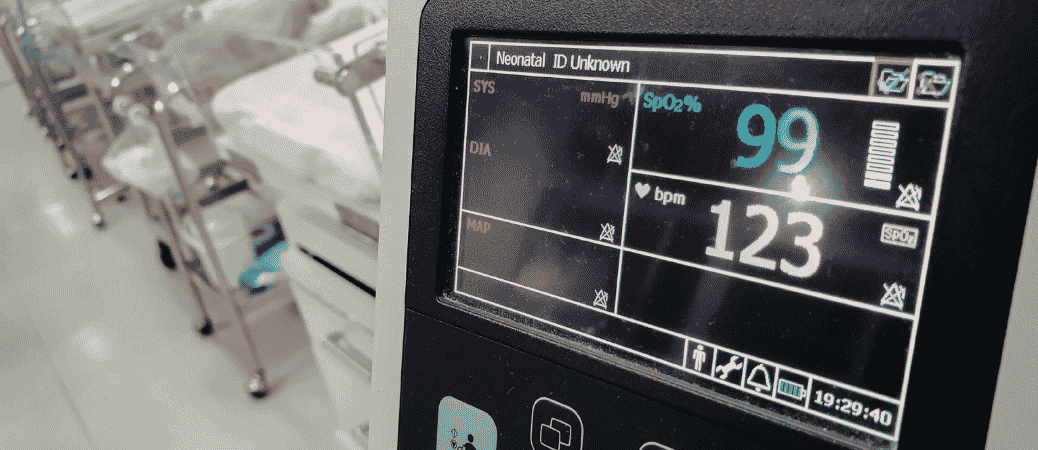
Standard monitors track your breathing, oxygen, heart rhythm, and blood pressure during every IV sedation visit.
AI can add another set of eyes by connecting those signals and flagging trouble early.
Predictive alerts and closed-loop dosing look promising in research, mostly from hospitals and operating rooms.
They remain early tools that need a trained clinician to check each warning and make each decision.
Your best protection is a skilled team, working monitors, honest answers to your questions, and a complete health history.
If anxiety is part of why you want sedation, you may find this guide to dental anxiety in adults helpful as you prepare.
Frequently Asked Questions
How is AI being used to monitor patients during IV sedation?
AI reads vital signs like oxygen, heart rhythm, and blood pressure together and alerts the clinician to worrying patterns.
Most of these tools are still being tested, especially in dental settings. Your care team stays responsible for watching you and responding.
Can AI detect breathing problems before an alarm sounds?
Some research models aim to predict oxygen drops or slowed breathing before standard alarms trigger.
Results in hospitals are encouraging, but dental-specific evidence is limited. A trained provider watching you closely remains the main safeguard.
Does AI give sedative drugs without a clinician?
No. Closed-loop systems that adjust drug delivery have primarily been studied in research and operating-room settings.
In standard dental IV sedation, medication dosing remains under the control of the treating clinician.
Is IV sedation safer when a practice uses AI?
No research yet proves that AI makes dental IV sedation safer on its own. Safety comes from trained staff, proper monitors, emergency readiness, and careful recovery. AI may add support, but it does not replace those basics.
How can I find out whether my dental practice uses AI monitoring?
Ask directly which monitors they use and whether any software analyzes your vital signs.
You can book a virtual consultation with Otero Cosmetic & Implant Dentistry to ask about monitoring, or schedule an appointment to talk with the team in person before your procedure.