

You walk into the dentist’s office with a cracked tooth and face a choice: get a crown milled right there in two hours, or wait two weeks for a lab to craft one.
Same-day CEREC crowns promise convenience, but traditional lab-made crowns still have their place.
For most back teeth and straightforward cases, same-day crowns deliver excellent durability and fit in a single appointment, but complex front-tooth restorations requiring perfect shade matching often benefit from a lab technician’s custom work.
The technology behind same-day dental crowns has improved dramatically. Your dentist scans your tooth with a 3D camera, designs your crown on a computer, and mills it from a ceramic block while you wait.
No temporary crown, no second visit, and no week of eating carefully.
Understanding when each option, CEREC crown vs lab crown makes sense can save you time and give you better results.
The right choice depends on which tooth needs the crown, how much aesthetics matter to you, and whether you can tolerate wearing a temporary for two weeks.
Key Takeaways
- Same-day CEREC crowns complete your restoration in one appointment without needing a temporary crown
- Lab-made crowns typically offer superior aesthetics for front teeth but require two visits over 1-2 weeks
- Modern same-day crowns last 10-15 years with accuracy and durability approaching traditional options
Table of Content
How Same-Day CEREC Crowns Work
CEREC technology uses computer-aided design and manufacturing to create your ceramic crown in one appointment.
The dentist scans your tooth digitally, designs the crown on a computer, and mills it from a ceramic block while you wait in the office.
The Step-by-Step CEREC Workflow
The CEREC same-day crown process starts with your dentist preparing your tooth just like they would for a traditional crown.
With cavity restoration, they remove decay and shape the tooth to make room for the new restoration.
Once your tooth is ready, the chairside system takes over. Your dentist uses the CEREC machine to capture images, design your crown, and create it right there in the office.
The entire workflow typically takes 90 minutes to 2 hours from start to finish.
You won’t need a temporary crown or a second visit. The dentist places your permanent ceramic crown the same day, which means you leave with your final restoration already bonded to your tooth.
Digital Scanning and Impressions
Instead of using messy putty that can make you gag, CEREC uses digital scanning to capture precise images of your prepared tooth.
The dentist moves a small camera wand around your tooth to take multiple pictures from different angles.
The digital impression process takes just a few minutes. The camera creates a 3D model of your tooth on the computer screen right away.
Your dentist can check the scan immediately and retake images if needed.
This scanning method is more accurate than traditional impressions. You also stay more comfortable throughout the process since there’s no impression material to trigger your gag reflex.
In-Office Milling and Materials
After designing your crown on the computer, the dentist sends the design to the in-office milling unit. The CEREC milling machine carves your custom crown from a solid block of ceramic material in about 10 to 15 minutes.
Some blocks offer high strength for back teeth that handle heavy chewing forces. Others provide better color matching for front teeth where appearance matters most.
Your dentist selects the ceramic block that matches your tooth color and meets your specific needs.
Once the milled ceramic crown comes out of the machine, the dentist polishes it, checks the fit in your mouth, and bonds it permanently to your tooth.
Comparison: Same-Day CEREC Crowns vs. Traditional Lab Crowns
CEREC same-day crowns and traditional lab crowns differ in how they’re made, how long they take, and what materials are available.
Understanding these differences helps you know what to expect from each option.
Timing, Appointments, and Temporary Crowns
The biggest difference between same-day CEREC crowns and traditional crowns is time. With CEREC, you get your permanent dental crown in one appointment that lasts 2-3 hours.
Traditional lab crowns require two separate visits spaced 1-3 weeks apart. At your first appointment, your dentist prepares your tooth and takes an impression.
You leave wearing a temporary crown made of plastic or acrylic.
The temporary crown protects your tooth while the dental laboratory makes your permanent restoration. You return for a second appointment to have the lab-made crown cemented in place.
Temporary crowns can break, fall off, or cause discomfort during the waiting period. Same-day crowns eliminate this problem completely since you walk out with your permanent restoration.
Fit, Precision, and Tooth Preparation
Both methods can produce well-fitting dental crowns, but they achieve precision differently. Traditional impressions use putty-like material that captures tooth detail but can distort during handling or shipping.
Digital dentistry with CEREC uses 3D scanning technology that doesn’t distort over time. Studies show both approaches achieve clinically acceptable margins under 100 microns.
The tooth preparation process is similar for both types. Your dentist removes decay and shapes your tooth to hold the crown securely.
The final fit depends more on your dentist’s skill than which method they use. An experienced dentist with CEREC can achieve the same precision as one working with a dental laboratory.
Material Choices and Aesthetics
Traditional lab crowns offer more material options than same-day crowns. Labs can create crowns from gold, porcelain-fused-to-metal, layered porcelain, or various ceramic materials.
CEREC crowns are milled from solid ceramic blocks, typically lithium disilicate or zirconia. These materials are strong and natural-looking but the selection is more limited.
For front teeth where appearance matters most, lab-made crowns have an advantage. Lab technicians can layer different shades of porcelain to create depth and translucency that mimics natural teeth.
Same-day crowns come from single-color blocks, which limits color variation within the crown itself.
However, CEREC technology has improved dramatically and skilled dentists achieve excellent results, especially for back teeth.
Handling Complex Restorations and Multi-Unit Bridges
Traditional lab crowns work better for complex cases that need specialized skills.
When you need multiple connected crowns or multi-unit bridges, dental laboratories have more experience with these challenging restorations.
Labs also handle difficult aesthetic situations better, like matching existing porcelain work or creating crowns that blend with unusual tooth colors.
CEREC excels at single-tooth crowns on back teeth where function matters more than appearance. The technology struggles with large bridges that span multiple teeth.
Your dentist may recommend sending your case to a lab if you have complicated bite issues, need porcelain-fused-to-metal crowns, or require restorations that CEREC materials can’t handle.
Some situations simply need the hand-crafting skills of an experienced lab technician.
Benefits and Limitations of CEREC Technology
CEREC same-day technology offers clear advantages in convenience and eliminates temporary crowns, while ceramic materials provide reliable durability that matches traditional options in most cases.
Time Savings and Convenience
The most obvious benefit of CEREC technology is completing your dental restoration in one appointment.
Same-day CEREC crowns typically take 2-3 hours from start to finish, compared to traditional crowns that require two separate visits spread over 1-2 weeks.
You’ll save time off work and avoid multiple trips to the dentist. The entire process happens while you wait, scanning, computer design, milling, and placement all occur in your dentist’s office.
Traditional crowns mean scheduling two appointments around your life. Same-day CEREC lets you walk in with a damaged tooth and leave with a permanent crown the same day.
Many patients find watching their crown being created fascinating. The milling machine carves your custom crown from a ceramic block in just 10-20 minutes.
Avoiding Temporary Crowns
With CEREC, you skip temporary crowns entirely. This eliminates several common problems that frustrate patients during the waiting period.
Temporary crowns can fall off at inconvenient times. Food often gets stuck around them. They don’t feel quite right when you bite down.
You won’t need to be careful about what you eat for two weeks. No temporary crown means no emergency visits if something comes loose.
You leave your appointment with your permanent milled ceramic crown already in place.
Digital impressions replace traditional putty, which many patients find uncomfortable. The small camera captures 3D images without the gagging sensation that impression materials can cause.
Longevity and Durability of Ceramic Materials
Ceramic crowns made with CEREC technology last just as long as traditional lab-made crowns. Both types typically provide 15-20 years or more of service with proper care.
The materials available for same-day crowns include lithium disilicate and zirconia, which offer excellent strength. These ceramic materials are strong enough for both front and back teeth in most situations.
Your crown’s lifespan depends more on your oral hygiene, bite forces, and habits like teeth grinding than on how it was made.
The durability comes from the material itself, not whether a lab technician or a milling machine shaped it.
CEREC crowns can be repaired using the same methods as traditional crowns if needed. Small chips can be bonded, or the entire crown can be replaced if necessary.
Is CEREC Right for Your Tooth?
Your specific dental situation determines whether a CEREC same-day crown or a lab-made crown works better.
The location of your tooth, the amount of damage it has, and your cosmetic goals all play a role in this decision.

Best Cases for Same-Day Crowns
CEREC crowns work exceptionally well for back teeth like molars and premolars. These teeth need strength to handle chewing forces, and ceramic crown materials used in CEREC provide excellent durability.
You’re an ideal candidate if you have a cracked tooth or a large filling that’s failing. The same-day crown process means you avoid wearing a temporary crown for weeks.
People with busy schedules benefit most from this technology. You can get your dental crown in one appointment instead of taking time off work twice.
CEREC also works well when you need multiple crowns. Your dentist can complete several restorations in a single visit rather than spreading treatment over months.
When to Prefer Lab-Made Crowns
Lab-made crowns give you more material options than CEREC technology. Your dentist might recommend porcelain-fused-to-metal crowns for back teeth that need extra strength.
Gold crowns also require lab fabrication.
Complex cases often need the precision that lab technicians provide. If your bite alignment is complicated or you’re getting a bridge, a lab-made crown might fit better.
Some situations are not recommended for CEREC, including severe teeth grinding (bruxism) or teeth with inadequate remaining structure.
Root canal-treated teeth sometimes need the extra reinforcement that metal-based lab crowns offer.
When you have high salivary flow or a cavity very close to the nerve, your dentist may suggest waiting for a lab-made restoration.
Considerations for Front Teeth and Esthetics
Front teeth present unique challenges for crown placement. These visible teeth need to match your natural smile perfectly in color, shape, and translucency.
Lab-made crowns traditionally offered better cosmetic results for front teeth. Lab technicians can layer different shades of porcelain to create depth and natural-looking characteristics.
However, modern CEREC technology has improved significantly. Many dentists now use CEREC for front teeth with excellent results.
The digital impression captures precise details of your tooth.
Your expectations matter here. If you need absolute perfection for a highly visible tooth, a lab-made crown might give your dentist more control.
But if you want good esthetics without waiting weeks, CEREC provides quality same-day options.
Talk with your dentist about photos of previous cases. This helps you see what results look like for teeth similar to yours.
Cost, Insurance, and What to Expect at Your Appointment
CEREC crowns typically cost $1,000 to $2,500 per tooth in 2026, about the same as traditional ceramic crowns from a lab.
Insurance treats both crown types equally, covering around 50% after your deductible, so the main difference is convenience rather than price.
Comparing Costs and Value
A same-day crown costs roughly the same as lab-made crowns because the CEREC machine investment offsets what dentists would normally pay a dental lab.
You’ll pay $1,000 to $2,500 for ceramic crowns whether they’re made chairside or in a lab.
The price range depends on your location and dentist. Cities tend to charge more than rural areas. Your out-of-pocket with insurance usually drops to $500 to $1,250 if you haven’t hit your annual maximum yet.
Traditional porcelain-fused-to-metal crowns from a lab run slightly cheaper at $800 to $1,400. But CEREC systems don’t make metal crowns, so this cheaper option isn’t available with same-day dental restoration.
The real value of same-day crowns is time saved. You avoid a second appointment and skip wearing a temporary crown for one to two weeks.
Insurance Coverage for Different Crown Types
Your dental plan covers CEREC crowns the same way it covers lab crowns. Insurance companies classify coverage by material and clinical need, not by how the crown was made.
Most plans pay about 50% of the cost after you meet your deductible. The claim uses the same billing codes whether your crown came from a CEREC machine or a dental lab.
Your annual maximum still applies. Most plans cap benefits at $1,000 to $1,500 per year total. If you need multiple crowns or other major work, you might hit this limit quickly.
Understanding Appointment Flow and Aftercare
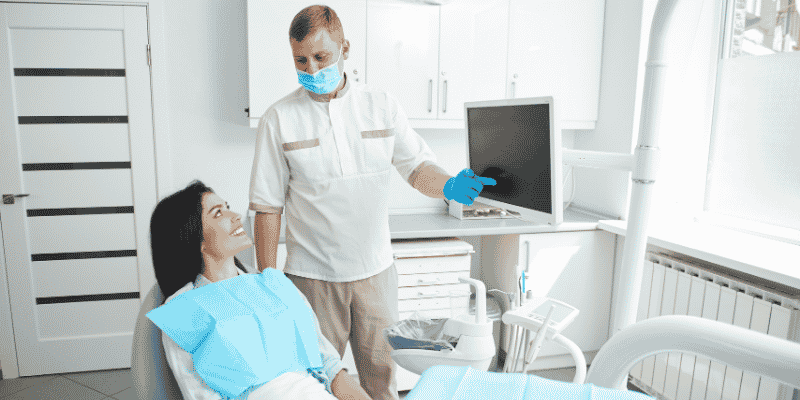
Your CEREC appointment takes about two hours from start to finish. The dentist prepares your tooth first, just like they would for a traditional crown.
Then they use a digital scanner instead of messy impression trays.
The CEREC machine mills your crown while you wait, usually in 15 to 20 minutes. Your dentist polishes and adjusts the fit before cementing it permanently that same day.
You leave with your final crown, not a temporary one. Avoid hard or sticky foods for 24 hours while the cement fully sets.
Aftercare is the same as any crown. Opt for professional teeth cleaning, brush twice daily and floss around the crown margin to prevent decay.
If you grind your teeth, ask about a night guard to protect your crown placement and extend its life.
Frequently Asked Questions
Most patients want to know if same-day crowns match the quality of lab-made ones and which situations call for each option. Cost and appointment time also play a big role in the decision.
How do I know whether a same-day crown is a good option for my tooth?
Your dentist will look at several factors to help you decide. The location of your tooth matters—back teeth that do heavy chewing work well with same-day crowns.
Your bite pattern and how your teeth come together also affect the choice. If you have a straightforward case without complex bite issues, a same-day crown is usually suitable.
Ask your dentist about their experience level with CEREC technology. A skilled dentist can handle most routine crown cases with same-day treatment.
Are same-day crowns as strong and long-lasting as lab-made crowns?
Yes, when made from the right materials, same-day crowns last just as long as lab-made ones. Both types typically last 15-20 years or more with proper care.
The strength depends more on the material chosen than where it was made. Modern CEREC crowns use materials like lithium disilicate and zirconia that match the strength of traditional crowns.
Your oral hygiene habits and whether you grind your teeth affect longevity more than the fabrication method.
Studies show similar longevity between same-day and lab crowns when both are properly made and maintained.
What situations make a lab-made crown the better choice?
Complex bite relationships sometimes need the expertise of a lab technician who can study your case carefully.
If you need a gold crown or a specific ceramic type not available for CEREC, the traditional lab route is necessary.
Front teeth that are highly visible might benefit from hand-layered ceramics that labs can create. When you’re getting multiple crowns at once, a lab can ensure perfect color matching across all of them.
Heavy teeth grinders may do better with gold crowns that only labs can make.
Some tooth positions or unusual shapes are challenging for same-day fabrication and work better with traditional methods.
Will a same-day crown look as natural as one made by a dental lab?
Modern same-day crowns can look virtually identical to natural teeth in most cases. The materials available for CEREC have improved dramatically and continue getting better.
Your dentist’s skill and artistic ability matter more than where the crown was made. For back teeth, same-day crowns are almost always indistinguishable from natural teeth.
Front teeth in very demanding aesthetic situations might give lab crowns a slight edge. Lab technicians specialize in crown fabrication and can hand-layer ceramics for incredibly lifelike results.
Most patients are completely satisfied with well-made same-day crowns even on visible teeth.
How long does a same-day crown appointment usually take compared to the traditional process?
A same-day crown appointment takes 2-3 hours from start to finish. This includes preparing your tooth, taking digital impressions, designing and milling the crown, and placing it permanently.
Traditional crowns require two separate appointments. Each visit lasts about 1-1.5 hours, spread out over 1-2 weeks.
The same-day option means less total time off work even though the single appointment is longer.
You also avoid wearing a temporary crown between visits, which saves you from potential emergency trips if the temporary comes loose.
Is there any difference in cost between same-day crowns and lab-made crowns?
The cost is usually about the same for both options. Some dental practices charge slightly more for same-day crowns due to the convenience factor, while others charge less because they eliminate lab fees.
You should factor in hidden costs when comparing. Same-day crowns need only one appointment, saving you time off work and travel expenses for a second visit.
Traditional crowns with premium materials like gold or hand-layered ceramics typically cost more. The cost difference is minimal in most cases, but you gain convenience with the same-day option.