

Getting cosmetic dental work can give you a beautiful new smile. But keeping it looking great depends on what you do every day.
Your daily habits, from what you drink to how you brush your teeth, directly affect how long your cosmetic dental treatments last and how good they keep looking.
Many people don’t realize that lifestyle habits can accelerate cosmetic dentistry wear over time and cause discoloration on veneers, bonding, and teeth whitening services.
Coffee, teeth grinding, and even the wrong toothpaste can damage your investment. The good news is that with the right care and smart choices, you can keep your smile bright and strong for years.
Understanding which habits help and which ones hurt gives you control over your results. This guide shows you exactly what to watch out for and what steps to take to protect your cosmetic dental work.
Key Takeaways
- Daily habits like drinking coffee and grinding your teeth can wear down and stain cosmetic dental work over time
- Using the right dental products and wearing protective guards helps preserve veneers, bonding, and whitening treatments
- Regular professional teeth cleanings and check-ups catch problems early and extend the life of your cosmetic dental results
Understanding Cosmetic Dentistry and Its Results
Cosmetic dentistry focuses on improving the appearance of your teeth, gums, and smile through various treatments that address color, shape, size, and alignment issues. These procedures range from simple teeth whitening to complex smile makeovers that can transform your entire look.
Types of Cosmetic Dental Treatments
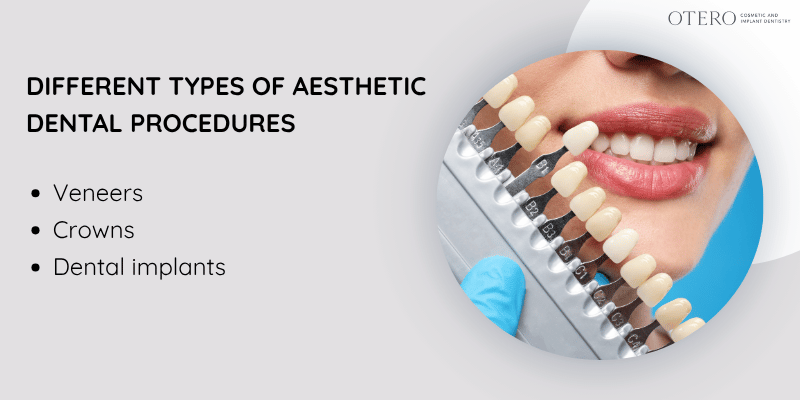
Cosmetic dental treatments come in many forms to address different concerns. Teeth whitening is one of the most popular cosmetic procedures because it brightens discolored teeth quickly and affordably.
Veneers are thin shells that cover the front surface of your teeth. Porcelain veneers are especially durable and resist staining better than other materials. They can fix chips, gaps, and uneven teeth.
Crowns cap damaged teeth to restore their shape and strength. Dental bonding uses composite resin to repair minor chips and cracks. This composite bonding is less expensive than veneers but may not last as long.
Dental implants replace missing teeth with artificial roots and crowns that look natural.
Braces and Invisalign straighten crooked teeth over time. Invisalign uses clear aligners that are less noticeable than traditional metal braces.
Many people combine several cosmetic dental treatments into a complete smile makeover for dramatic results.
How Cosmetic Dentistry Enhances Your Smile
Cosmetic dental work improves both appearance and confidence. When you feel good about your smile, you tend to smile more often in social and professional settings.
These treatments fix visible problems like stains, gaps, chips, and misalignment. A radiant smile makes you look younger and more approachable. Many cosmetic procedures also support better oral health by making teeth easier to clean.
For example, straightening crooked teeth with braces reduces areas where plaque can hide. Replacing missing teeth with dental implants prevents bone loss in your jaw.
The goal of cosmetic dentistry is creating a healthy smile that looks natural. Your dentist considers your facial features, skin tone, and tooth proportions when planning treatment. Results should enhance your unique features rather than create an artificial look.
Cosmetic Dentistry Versus General Dentistry
General dentistry focuses on preventing and treating oral health problems like cavities, gum disease, and infections. These services include cleanings, fillings, and extractions.
Cosmetic dentistry prioritizes appearance while also considering function. The main difference is the goal. General dentistry keeps your mouth healthy. Cosmetic procedures make your smile more attractive.
Some treatments overlap both areas. Crowns restore damaged teeth but also improve how they look. Fillings fix cavities, and tooth-colored versions blend with your natural teeth better than metal ones.
You need a healthy foundation before starting cosmetic dental treatments. Your dentist will treat any decay or gum issues first.
Maintaining cosmetic dentistry results requires the same daily care as general dental health, including brushing and flossing.
The Direct Impact of Daily Habits on Cosmetic Dentistry Wear and Tear
Your daily choices directly shape how long your cosmetic dental work stays beautiful and functional.
The way you care for your teeth, what you eat and drink, and certain lifestyle habits can either preserve your investment or speed up damage.
Role of Oral Hygiene in Sustaining Results
Your oral hygiene routine is the foundation for keeping cosmetic dental work in good condition.
Brushing and flossing remove plaque buildup that can cause cavities and gum disease around veneers, crowns, and bonding.
You should brush twice daily with fluoride toothpaste using a soft-bristle brush. Hard bristles can scratch the polished surface of your restorations.
Flossing reaches areas between teeth where food particles and bacteria hide, preventing tooth decay at the edges of your cosmetic work.
Key oral hygiene practices include:
- Brushing for two minutes twice per day
- Using gentle circular motions to avoid damaging restorations
- Flossing at least once daily
- Rinsing with mouthwash to reduce bacteria
Poor oral health leads to gum disease, which can cause your gums to recede and expose the edges of veneers or crowns. This creates both cosmetic problems and increased sensitivity.
Regular care and attention to oral hygiene helps prevent these issues and keeps your smile looking natural.
Dietary Choices and Cosmetic Dentistry Longevity
What you eat and drink affects both the appearance and strength of your cosmetic dental work. Acidic foods and sugary foods create conditions that lead to enamel erosion and tooth decay around restorations.
Dark beverages like coffee, tea, and red wine contain pigments that can stain composite bonding over time.
While porcelain veneers resist staining better than natural teeth, the edges where they meet your gums can still discolor.
To prevent staining, rinse your mouth with water after consuming dark drinks or use a straw to minimize contact.
Hard foods pose a different risk. Chewing ice, hard candy, or nuts can chip or crack veneers and crowns. Sticky foods like caramel can pull at bonding and weaken the attachment.
Staying hydrated supports saliva production, which naturally cleans your teeth and protects against dry mouth. Saliva helps wash away food particles and neutralizes acids that cause damage.
Choosing the right foods makes a real difference in how long your cosmetic work lasts.
Harmful Lifestyle Habits and Their Effects
Smoking and alcohol consumption are two of the most damaging habits for cosmetic dental work.
Smoking stains restorations with tar and nicotine while reducing blood flow to your gums, which slows healing and increases gum disease risk.
Vaping also damages your smile by drying out your mouth and weakening the bonds that hold composite materials in place. The heat and chemicals in vapor can discolor bonding faster than you might expect.
Alcohol dries out your mouth by reducing saliva production. This creates an environment where bacteria thrive, leading to plaque buildup and cavities. Alcohol also contains acids and sugars that contribute to enamel erosion.
Teeth grinding, whether during sleep or from stress, creates constant pressure that can crack veneers and wear down crowns.
The effects of smoking, vaping, and teeth grinding add up quickly and can require expensive repairs. A custom night guard protects your investment if you grind your teeth.
Breaking these habits preserves both your natural teeth and your cosmetic enhancements.
Dental Products and Tools: Protecting Your Cosmetic Work
The products you use every day can either protect your cosmetic dental work or slowly damage it. Abrasive toothpastes scratch porcelain veneers, while harsh mouthwashes can weaken dental bonding over time.
Choosing the Right Toothbrush and Toothpaste
A soft-bristled toothbrush is the safest choice for your cosmetic work. Hard or medium bristles create tiny scratches on porcelain veneers and composite bonding.
These scratches trap stains and make your dental work look dull.
Replace your toothbrush every three months. Worn bristles lose their cleaning power and force you to brush harder, which puts extra pressure on your veneers and bonding.
Fluoride toothpaste strengthens the natural tooth structure under your cosmetic work. This support keeps your veneers and crowns stable.
However, you need to avoid highly abrasive toothpastes marketed for whitening or tartar control.
Look for toothpaste labeled “low abrasion” or “gentle.” Ask your dentist which brands work best with your specific cosmetic work. Some whitening toothpastes contain particles that act like sandpaper on delicate surfaces.
Impact of Mouthwash and Oral Hygiene Products
Some mouthwashes contain high levels of alcohol that can weaken the bonds in composite bonding and dental adhesives. Over time, this weakening allows stains to seep into the edges of your cosmetic work.
Choose alcohol-free mouthwash if you have veneers or bonding. These formulas still kill bacteria and freshen breath without damaging your dental work. Read labels carefully before buying any oral hygiene product.
Water flossers offer a gentle way to clean around cosmetic work without snapping floss against delicate margins. Traditional floss still works well when you slide it carefully and avoid harsh pulling motions.
Both methods protect your cosmetic work from gum disease that can expose edges and create gaps.
Mechanical Stress and Lifestyle Risks: Grinding, Sports, and More
Physical pressure from grinding, sports impact, and unconscious daytime habits can crack, chip, or wear down cosmetic dental work faster than most patients expect.
Even high-quality veneers and bonding need protection from these forces.

Teeth Grinding (Bruxism) and Cosmetic Work Wear
Teeth grinding puts repeated pressure on your cosmetic dental work. Many people grind at night without knowing it.
This constant force can chip porcelain veneers, crack bonding material, and wear down the smooth finish on your teeth.
Bruxism affects your front teeth the most. That’s where most cosmetic work sits. The grinding motion creates friction that dulls surfaces and can cause visible cracks over time.
A custom night guard protects your investment. It absorbs the pressure while you sleep and keeps your top and bottom teeth separated.
Over-the-counter guards don’t fit as well and may not protect cosmetic work properly.
If you wake up with jaw soreness or headaches, you might be grinding. Tell your dentist right away. Early protection with a night guard helps your veneers and bonding last years longer.
Sports, Accidents, and the Case for Mouthguards
Contact sports put your smile at risk. Basketball, soccer, football, and even gym workouts can lead to sudden impacts. A single hit can crack a veneer or knock out bonding that cost thousands of dollars.
A sports mouthguard cushions your teeth during impact. It spreads the force across your whole mouth instead of one tooth.
Custom-fitted guards work better than store-bought versions because they stay in place and cover your cosmetic work completely.
You should wear a mouthguard for any activity where contact is possible. This includes recreational sports and even skateboarding.
The cost of a mouthguard is much less than replacing damaged cosmetic dentistry.
Daytime Habits That Cause Damage
Parafunctional habits like biting nails and chewing on pens create constant stress on your teeth. These small actions add up over months and years. They can chip the edges of veneers and create rough spots on bonding.
Chewing ice is particularly damaging. The hard surface and cold temperature can crack cosmetic work instantly. Biting fingernails puts pressure on front teeth at odd angles that weren’t meant to handle that force.
Opening packages with your teeth seems quick and easy. But this habit can chip or break cosmetic dental work in seconds. Keep scissors and bottle openers handy to avoid using your teeth as tools.
Pay attention to stress-related clenching during the day. Many people clench while driving, working at a computer, or concentrating. Set reminders to relax your jaw if you notice this pattern.
Professional Support: Maintenance, Check-Ups, and Touch-Ups
Regular visits to your dentist protect your cosmetic dental work and help it last longer.
Professional cleanings remove buildup that home care can miss, while check-ups catch small problems before they become expensive repairs.
Importance of Regular Dental Check-Ups
You should schedule routine dental check-ups every six months to monitor your cosmetic dentistry results. During these visits, your dentist examines veneers, crowns, and bonding for chips, cracks, or signs of wear.
These appointments allow your dentist to check the seal around crowns and ensure veneers remain properly bonded to your teeth. They also look for gum irritation or inflammation around restoration margins.
Early detection saves you money and prevents minor issues from turning into major problems. Your dentist can spot discoloration developing around veneer edges or catch a loose crown before it falls off.
If you grind your teeth at night, they might recommend a nightguard to protect your investment.
Professional Cleanings and Cosmetic Maintenance
Professional cleanings do more than keep your natural teeth healthy. They also maintain the appearance of your cosmetic dental work by removing plaque and surface stains that daily brushing misses.
Your hygienist uses special tools and techniques designed for different restoration materials. Porcelain veneers and crowns benefit from gentle polishing to maintain their glossy finish.
Composite bonding requires more careful attention because it’s more porous and stains easier than porcelain.
These cleanings help your cosmetic restorations match your natural teeth in color and brightness.
Your hygienist can also apply stain-removal treatments specifically for composite materials that have picked up discoloration from coffee, tea, or wine.
When to Consider Touch-Up Treatments
Even with excellent dental care, cosmetic work eventually needs attention. Teeth whitening results typically fade within one to three years depending on your diet and habits.
Your dentist can provide custom trays and professional-strength gel for at-home touch-ups.
Composite bonding usually lasts three to ten years before requiring replacement or refinishing. You’ll notice when it starts looking dull, develops rough edges, or picks up stains that won’t polish away.
Minor touch-ups may be needed to keep your smile looking its best over time. Small chips in bonding can often be repaired in a single visit.
Porcelain veneers last ten to fifteen years but might need replacement when they chip or the bonding weakens. Schedule an appointment when you notice changes in appearance or feel rough spots with your tongue.
Smart Strategies for Preserving a Lasting, Radiant Smile
What you eat, drink, and do throughout the day directly impacts how long your cosmetic dental work stays beautiful.
Staying hydrated supports natural defenses while avoiding certain foods protects against damage and discoloration.
Nutrition Tips for Oral and Cosmetic Health
Your diet plays a major role in maintaining your bright smile after cosmetic procedures.
Acidic foods like citrus fruits, pickles, and vinegar-based dressings can wear down tooth enamel and damage cosmetic restorations over time.
When you do eat acidic foods, rinse your mouth with water right after. Wait at least 30 minutes before brushing to avoid scrubbing acid into your teeth.
Dark-colored beverages and foods cause staining on both natural teeth and cosmetic work. Coffee, tea, red wine, soy sauce, and berries are common culprits.
Using a straw when drinking can help minimize contact with your front teeth.
Crunchy vegetables like carrots and celery naturally clean your teeth as you chew. Dairy products such as cheese and yogurt contain calcium that strengthens enamel.
Foods high in vitamin C support healthy gums, which are essential for maintaining any cosmetic dental work.
Hydration and Saliva for Smile Protection
Drinking enough water throughout the day is one of the easiest ways to protect your oral health and cosmetic investments.
When you stay hydrated, your body produces adequate saliva production to wash away food particles and neutralize harmful acids.
Saliva acts as your mouth’s natural defense system. It contains minerals that help repair early tooth damage and prevents bacteria from sticking to teeth and restorations.
Aim for at least eight glasses of water daily. Sipping water after meals helps rinse away debris before it can cause problems. If you have dry mouth, talk to your dentist about products that stimulate saliva flow.
Breaking Bad Habits for Long-Term Success
Certain daily habits can quickly damage cosmetic dental work. Never use your teeth as tools to open packages or bottles. This puts unnecessary stress on veneers, crowns, and bonding.
Chewing ice, biting fingernails, or gnawing on pens can crack or chip cosmetic restorations. These habits also wear down natural enamel around your treated teeth.
If you grind your teeth at night, ask your dentist about a custom night guard. Grinding damages both cosmetic dental work and natural teeth while you sleep.
Smoking stains teeth quickly and weakens gum tissue that supports your healthy smile.
Contact us now to learn how to protect your smile from everyday wear and tear.
Frequently Asked Questions
Your daily choices play a big role in how long your cosmetic dental work lasts. Simple changes to your routine can prevent damage and keep your smile looking its best.
What daily habits should I avoid to maintain my cosmetic dental work?
You should avoid biting hard objects like ice, pens, or fingernails. These actions can crack or chip veneers and bonding materials.
Smoking and vaping are habits that significantly shorten the lifespan of cosmetic treatments. They cause yellowing and weaken the bonds between materials and your natural teeth.
Using your teeth as tools to open packages or bottles puts unnecessary stress on your restorations. This bad habit can lead to chips and cracks that require repair.
How can I protect my veneers from chipping or staining?
Rinse your mouth with water after drinking coffee, tea, or red wine. Using a straw when you drink dark beverages helps limit contact with your veneers.
You should brush twice daily with a soft-bristle toothbrush and non-abrasive toothpaste. Whitening toothpastes can scratch the polished surface of your veneers and make them look dull.
Schedule professional cleanings every six months. Your dentist can polish your veneers and check for any early signs of damage.
Are there specific foods or drinks that can damage my dental bonding?
Hard candies, nuts, and ice can chip or crack bonding materials. Sticky foods like caramel and taffy can pull bonding away from your teeth.
Dark sauces, berries, and beets may cause staining over time. Acidic drinks like soda and citrus juice can weaken the bond between the material and your tooth.
You should choose softer foods and rinse with water after eating anything that might stain. Drinking milk or water instead of dark beverages protects both your bonding and natural teeth.
What’s the best way to care for my teeth after whitening treatments?
Avoid dark beverages and foods for at least 48 hours after whitening. Your teeth are more porous right after treatment and absorb stains more easily.
Use a toothpaste designed for sensitive teeth if you experience discomfort. Brush gently and avoid extremely hot or cold foods until sensitivity fades.
Touch-up treatments every few months help maintain your bright smile. Your dentist can recommend the right schedule based on your lifestyle habits and diet.
Can grinding my teeth at night affect my cosmetic dentistry results?
Teeth grinding creates pressure that can crack veneers and crowns. It causes uneven wear and can loosen restorations over time.
A custom night guard protects your cosmetic work while you sleep. This simple device absorbs the force of grinding and prevents damage to your teeth.
You might not know you grind your teeth until your dentist spots the signs. Jaw pain and worn teeth are common indicators that you need protection.
How often should I visit the dentist to check on the condition of my cosmetic dental work?
You should schedule checkups every six months. Regular visits allow your dentist to catch small problems before they become expensive repairs.
Professional cleanings remove buildup that can dull or damage your restorations. Your dentist can also check the fit and condition of veneers, bonding, and crowns.
Material quality and oral hygiecne strongly affect how long results last. More frequent visits may be necessary if you have habits like grinding or if you notice any changes in your smile.