
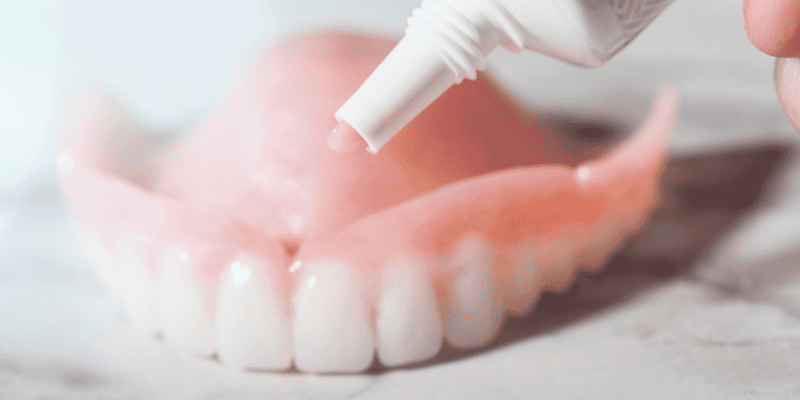
Even the best-fitting dentures won’t stay that way forever. Your mouth naturally changes as you age, making denture relining a necessity in maintaining a comfortable, secure fit over time.
Your jawbone gradually shrinks after tooth loss through a process called bone resorption, which causes your gums to change shape and creates gaps between your dentures and oral tissues.
As the shape of your gums and jawbone changes, your denture no longer sits properly. This can lead to sore spots, clicking sounds when you talk, trouble chewing, and the constant need for denture adhesive.
The good news is that denture relining addresses these fit issues by reshaping the inner surface of your dentures to match your current mouth shape.
Understanding why your dentures change and when to get them relined helps you maintain comfort, proper function, and oral health.
Key Takeaways
- Your jawbone naturally shrinks over time after tooth loss, causing dentures to become loose and uncomfortable
- Denture relining reshapes the inner surface of your dentures to match your current gum and bone structure
- Most dentists recommend getting dentures relined every one to two years to maintain proper fit and prevent oral health problems
Why Denture Fit Changes Over Time
Your dentures might fit perfectly today, but natural changes in your jawbone and gums will affect how they feel over the months and years ahead.
Physical wear on the dentures themselves also plays a role in how well they continue to work for you.
Bone Resorption and Gum Changes
Bone resorption is the main reason your denture fit changes over time. After you lose your natural teeth, your jawbone no longer receives the stimulation it needs from tooth roots.
Without this stimulation, your body gradually absorbs the bone tissue back into your system.
This process happens fastest during the first year after tooth extraction. Your gums shrink as the underlying bone reshapes itself. The ridge where your denture base sits becomes smaller and flatter over time.
As your jawbone continues to resorb, the gap between your gums and the denture grows larger. What once created a snug seal now allows movement and shifting.
Your upper dentures lose their suction, while your lower dentures become unstable when you talk or chew.
Gum changes also affect how your dentures rest in your mouth. The soft tissue can thin out or change shape independently of bone loss.
Some areas may develop ridges or uneven surfaces that create pressure points.
Impact of Weight Fluctuations and Aging
Your body weight directly affects how your dentures fit. When you lose weight, the fat padding in your cheeks and gums decreases.
This makes your facial structures smaller, which means your dentures may feel looser than before.
Weight gain can also change your denture fit, though usually less dramatically. The added tissue in your face and gums can create new pressure points or shift how the dentures settle.
Health changes and aging affect your oral tissues in other ways, too. Certain medications can dry out your mouth, reducing the moisture that helps dentures stay in place.
Medical conditions like diabetes can accelerate bone loss. Your gum tissue may become thinner and more sensitive as you get older, making it less tolerant of pressure from dentures.
Wear and Tear on Dentures
The dentures themselves break down over time from daily use. Denture wear happens gradually but steadily. You expose them to temperature changes every time you eat hot soup or cold drinks.
The acrylic material can develop tiny cracks or warp slightly from this repeated expansion and contraction.
Chewing creates stress on the denture base and teeth. Years of biting force can cause small chips or smooth down the artificial teeth.
The inner surface that touches your gums can wear unevenly, creating gaps where the denture no longer makes full contact.
Daily cleaning, while necessary, also contributes to wear on denture materials. Brushing and soaking gradually break down the acrylic over time.
Even careful handling can lead to microscopic surface changes that affect the fit.
Talk to our dental team today and find out if your dentures need relining or replacement.
What Is a Denture Reline and When Is It Needed
A denture reline restores your denture’s fit by reshaping its underside to match your current gum contours.
Recognizing when you need this procedure and understanding what happens if you wait too long helps you maintain comfort and oral health.
What Is a Denture Reline
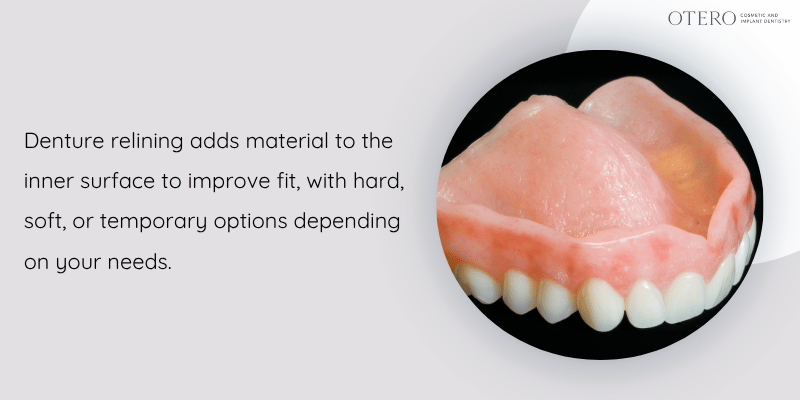
Denture relining reshapes the inner surface of your denture so it fits more snugly against your gums.
The procedure adds new material to the tissue-contacting side of your denture base while keeping the teeth and outer appearance the same.
Your dentist can perform different types of relines based on your needs. A hard reline uses firm acrylic material and typically lasts several years.
A soft reline uses cushioned material that’s gentler on sensitive gums but needs replacement every one to two years.
Some dentists offer temporary relines using tissue conditioner material. This option provides quick relief while your gums heal after tooth extractions or surgery.
The procedure takes anywhere from a few hours to a couple of days, depending on whether your dentist completes it chairside or sends your denture to a lab.
Common Signs You Need a Reline
Your dentures slip or click when you speak or eat. You find yourself using denture adhesive more frequently than before. Food particles get trapped under your dentures during meals.
Gum irritation or sore spots develop from your dentures rubbing against your tissues. You notice changes in your facial appearance, like sunken cheeks or more pronounced wrinkles around your mouth.
Chewing becomes difficult or uncomfortable even with softer foods.
Your dentures just don’t feel right anymore, even if you can’t pinpoint exactly what’s wrong.
Most dentists recommend a reline every one to two years, though your specific timeline depends on how quickly your jawbone and gum tissue change.
Consequences of Delaying Relines
Loose dentures cause friction sores and damage to your gum tissue. The constant rubbing can lead to infections that require medical treatment.
Your ability to chew food properly decreases, which can affect your nutrition and digestion.
Poor denture fit affects your speech clarity, making you feel self-conscious in conversations. The gap between your dentures and gums allows bacteria to accumulate, increasing your risk of oral health problems.
Your facial muscles and remaining bone structure continue to deteriorate faster without proper denture support.
Waiting too long may mean your dentures become too worn or damaged to reline effectively. You might need completely new dentures instead, which costs significantly more than a simple reline procedure.
Schedule your appointment in Hampstead, NC, today and restore a secure, comfortable denture fit.
Types of Denture Relines
Denture relines come in three main varieties, each designed for different situations and comfort needs.
The type you need depends on your gum health, how quickly your mouth is changing, and whether you need a quick fix or a long-lasting solution.
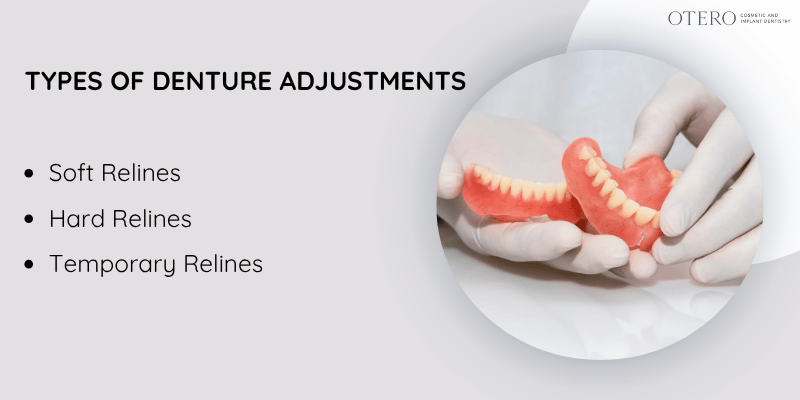
Soft Relines
A soft reline uses a flexible, cushion-like material on the inside of your denture. This option works well if you have tender gums, sensitive tissues, or flat ridges that make wearing dentures uncomfortable.
The soft material stays pliable after it sets, creating a gentle buffer between the hard denture base and your gums. Soft relines can reduce pressure points and irritation while improving overall comfort.
Your dentist can complete a soft reline in one visit, though some versions require lab work. The main downside is that soft materials don’t last as long as hard ones.
You’ll typically need to replace them every one to two years since they can absorb odors and harbor bacteria if not cleaned properly.
Soft relines are particularly helpful if you’re undergoing medical treatments that affect your mouth or if you have conditions that make your gums extra sensitive.
Hard Relines
A hard reline uses firm acrylic material similar to your original denture base. This type provides the most durable and long-lasting solution for restoring fit and stability when your gums have changed shape.
Your dentist removes a thin layer from the tissue side of your denture and takes a new impression of your mouth.
The denture goes to a lab where technicians apply the new acrylic lining, or your dentist may use fast-cure materials in the office.
Hard relines can last five to ten years with proper care. They resist bacteria and odors better than soft materials and provide excellent retention for everyday activities like eating and speaking.
The firmer feel might take some getting used to if you have thin gum tissue. Hard relines also take longer to complete than other options, especially when lab work is involved.
Temporary Relines
A temporary reline, also called a tissue conditioner, gives you a quick fix while your mouth heals or prepares for permanent work. Your dentist applies a soft, moldable material directly to your denture in one appointment.
This option helps immediately after tooth extractions, implant surgery, or when your gums are inflamed.
Temporary relines provide relief from sore spots and loose-fitting dentures while allowing your tissues time to recover.
The material typically lasts between one and eight weeks before it breaks down. You shouldn’t rely on temporary relines as a permanent solution since they lose effectiveness quickly.
These relines cost less than other types and can be done on short notice when you need emergency relief.
Your dentist will schedule follow-up appointments to monitor the healing and plan for a more permanent reline or replacement.
Ready to stop slipping dentures? Book your consultation now and regain confidence in your smile.
The Denture Relining Process
Getting your dentures relined involves several key steps that restore proper fit and comfort.
You’ll work closely with your dentist through assessment, the actual relining procedure, and follow-up adjustments to ensure your dentures feel stable again.
Initial Assessment and Impressions
Your dentist will start by examining your current dentures and checking your gum tissue. They’ll look for signs of wear, cracks, or damage to the denture base and evaluate how loose your dentures have become.
During this visit, your dentist will take new impressions of your mouth. They remove a thin layer of material from the tissue side of your denture and use it like a tray to capture an accurate mold of your gums.
This impression shows exactly how your mouth has changed since you first got your dentures.
Your dentist will also check for sore spots or irritation on your gums. They’ll discuss whether you need a hard reline, soft reline, or temporary tissue conditioner based on your specific needs and oral health.
Chairside and Laboratory Relines
You have two main options for the denture relining process. A chairside reline happens right in your dentist’s office and typically takes just one appointment.
Your dentist applies new material directly to your denture and lets it set while you wait.
Laboratory relines require sending your dentures to a dental lab for more precise work.
You’ll leave your dentures with your dentist for one to three days while technicians reshape the base using professional-grade materials. Lab relines generally last longer than chairside options.
Most hard relines go to a lab for better durability. Soft relines can be done either way depending on the materials used.
Adjustments and Follow-Up Care
After getting your dentures back, your dentist will check the fit in your mouth. They’ll make small adjustments to any spots that feel tight or uncomfortable when you bite down.
You should schedule a follow-up visit within a week or two. This lets your dentist fine-tune the fit after you’ve worn the relined dentures for a few days.
Minor denture adjustments help eliminate any pressure points you might notice.
Your dentist will properly clean your teeth for your newly relined dentures. Most dentists recommend getting relines done every one to two years to maintain optimal fit as your mouth continues to change.
Long-Term Denture Care and Maintenance
Proper denture care extends beyond daily cleaning to include smart habits that protect both your dentures and oral health.
Regular maintenance prevents costly repairs while good hygiene practices keep your mouth healthy and your dentures functioning well for years.
Routine Denture Cleaning and Oral Hygiene
You should clean your dentures at least twice daily using a soft-bristled brush and mild soap or denture cleaner. Never use regular toothpaste because it’s too abrasive and can scratch denture materials.
Remove and rinse your dentures after every meal when possible. Food particles trapped under dentures can irritate your gums and lead to infections.
When you’re not wearing your dentures, place them in water or denture cleanser solution to keep them from drying out and warping. Never put dentures in hot or boiling water.
Clean your gums, tongue, and the roof of your mouth with a soft brush each morning before putting in your dentures. This removes plaque and stimulates circulation in your tissues.
Extending Denture Lifespan

Handle your dentures over a folded towel or basin of water to prevent breakage if you drop them. Dentures can crack or chip easily when they hit hard surfaces.
Avoid using denture adhesive as a substitute for proper fit. If you need adhesive daily, your dentures likely need relining or adjusting.
Visit your dentist at least once a year for denture check-ups. They can spot small problems before they become major issues.
Store dentures properly when not in use. Keeping them moist prevents warping and maintains their shape for better fit and denture function over time.
When to Consider Denture Replacement or Implants
Most dentures need replacement every 5 to 8 years, even with regular relining. The teeth wear down, the base weakens, and your bone structure continues to change.
If your dentures are cracked, broken, or heavily stained, replacement makes more sense than continued repairs. Multiple relines can only do so much before you need fresh dentures.
Dental implants offer a permanent alternative that helps preserve bone structure in your jaw. Implant-supported dentures don’t slip or require adhesive and can last much longer than traditional dentures.
Consider implants if you struggle with loose dentures despite relining, experience ongoing sore spots, or want to eat and speak with more confidence.
Frequently Asked Questions
Dentures become loose because your jawbone naturally shrinks after tooth loss, and this bone loss continues throughout your life at varying rates.
Most denture wearers need adjustments every one to two years to maintain proper fit and comfort.
Why do my dentures feel looser than they used to?
Your dentures feel looser because the bone in your jaw changes shape over time. After you lose your natural teeth, the jawbone that once supported them starts to shrink. This process is called bone resorption.
The bone loss happens most quickly during the first year after tooth extraction. It continues at a slower rate for the rest of your life. As the bone recedes, your gum tissues also change shape.
These changes create gaps between your dentures and your gums. Weight loss can also make dentures feel loose because it reduces tissue volume in your face and gums.
The natural aging process affects your skin, muscles, and bone structure too.
What are the common signs that my dentures need a reline?
Your dentures slip or click when you speak or eat. You find yourself using denture adhesives more frequently to keep them in place.
Chewing becomes difficult or uncomfortable. You develop sore spots or gum irritation from friction. Your facial appearance changes with sunken cheeks or more wrinkles around your mouth.
You simply feel like your dentures don’t fit right anymore. These signs all point to the need for a professional reline to restore proper fit.
How often do most people need to have their dentures relined?
Most dentists recommend a reline every one to two years. The exact timing varies based on your individual situation. Some people need more frequent adjustments than others.
How long you’ve worn your dentures affects the timeline. Your overall health condition plays a role too. The rate of bone resorption differs from person to person.
Immediate dentures placed right after tooth extraction often need relining within just a few months. Your mouth changes rapidly during the healing period after extractions.
Will a denture reline make my dentures fit better and feel more comfortable?
Yes, a proper reline eliminates gaps between your denture and gums. This improves stability and reduces irritation or sore spots.
A well-fitting denture helps you chew food better. It supports clearer speech by positioning your lips and tongue correctly. The reline also helps maintain your facial contours by providing structural support to your cheeks and lips.
Loose dentures can cause friction sores and infections. Relining reduces these risks and contributes to better overall oral health.
What’s the difference between a denture reline, a rebase, and replacing dentures altogether?
A reline modifies only the tissue-contacting surface of your denture. The teeth, base design, and rest of the denture stay the same.
A rebase replaces the entire acrylic base while keeping your existing teeth. This is more extensive than a reline. Dentists typically do this when the base is worn, cracked, or weakened.
Relining works best when your teeth are still in good condition and your denture is less than five to eight years old. A full replacement makes more sense if your denture is over 10 years old.
It’s also better when teeth are worn down, broken, or discolored, or when your bite causes jaw pain.
Are there affordable options for getting dentures adjusted or relined?
Denture relining costs significantly less than creating completely new dentures. It achieves similar improvements in comfort and function at a lower price.
Temporary relines are the least expensive option. They provide quick relief from loose fit or sore spots. Soft relines cost more than temporary ones but less than hard relines.
Hard relines may involve lab fees but last five to 10 years with proper care. Many dental insurance plans cover at least part of the relining cost.
Some dental schools offer reduced-price services performed by students under supervision.