
Choosing between snap-in dentures vs traditional dentures can feel confusing when you’re trying to figure out which option fits your daily life.
Both traditional dentures and snap-in dentures help replace missing teeth, but they work very differently when it comes to eating, talking, and going about your normal routine.
The main difference is that traditional dentures rest on your gums and use suction or adhesive to stay in place, while snap-in dentures attach to dental implants in your jawbone for a more secure fit.
This affects everything from what foods you can eat to how often you need to adjust them throughout the day. Understanding these daily function differences helps you pick the option that matches your lifestyle.
Your choice impacts more than just comfort. It affects your ability to chew different foods, speak clearly, and maintain your facial structure over time. Learning how each type works in real-world situations makes it easier to decide which denture is right for you.
Key Takeaways
- Traditional dentures may slip during eating and talking, while snap-in dentures stay firmly attached to implants
- Snap-in dentures help preserve jawbone health, while traditional dentures can contribute to bone loss over time
- Snap-in dentures cost more upfront but offer better stability and reduce the need for adhesives
Understanding Dentures and Snap-In Dentures
Both options replace missing teeth, but they attach to your mouth in different ways. Traditional dentures rest on your gums, while snap-in dentures connect to dental implants for added stability.
What Are Traditional Dentures?
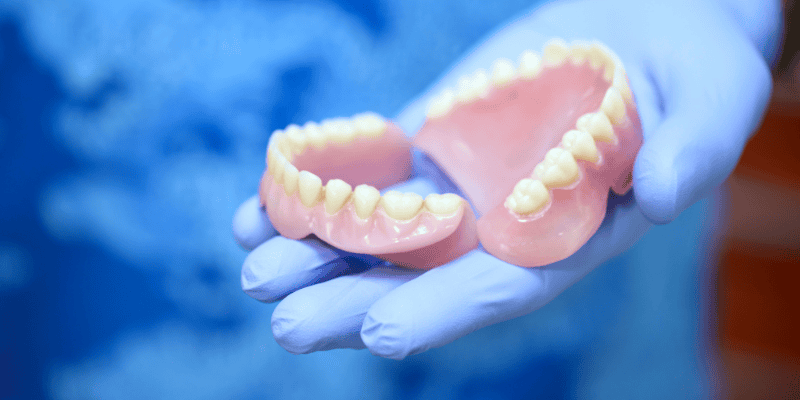
Traditional dentures are removable appliances that sit directly on top of your gums. They stay in place through natural suction and dental adhesives you apply each day.
Conventional dentures can replace all your teeth or just some of them. Full dentures replace an entire arch of upper or lower teeth. A partial denture fills in gaps when you still have some natural teeth remaining.
These removable dentures don’t require surgery to get. Your dentist takes impressions of your mouth and creates custom-fitted pieces that match your gum shape. You can usually get them within a few weeks.
You need to take traditional dentures out every night for cleaning. They require daily maintenance with special cleaning solutions. Over time, they may become loose as your jawbone changes shape.
What Are Snap-In Dentures?
Snap-in dentures are implant-supported dentures that attach to metal posts in your jawbone. Your dentist surgically places two to four dental implants that act as anchors.
The denture piece then snaps onto these implants with special connectors.
These implant-retained dentures offer much better stability than conventional options. You can still remove them for cleaning, but they won’t shift or slip while you eat or talk.
The implant-supported option requires surgery and a healing period before you get the final denture. This process takes several months from start to finish. However, many people find the improved comfort worth the extra time and cost.
Snap-on dentures help preserve your jawbone density because the implants stimulate bone growth. This prevents the facial sagging that sometimes happens with traditional options.
Types of Dentures and Overdentures
Removable Dentures:
- Traditional full dentures (upper, lower, or both)
- Partial dentures (replace some teeth)
- Conventional dentures (held by suction and adhesive)
Implant Dentures:
- Implant-retained overdentures (snap-in style)
- Fixed dentures (permanently attached to implants)
- Implant-retained dentures (various attachment types)
Overdentures refer to any denture that fits over remaining tooth roots or dental implants. The main difference between snap-in and traditional dentures is how they attach to your mouth.
Fixed dentures stay in your mouth permanently, and only your dentist can remove them. Snap-in options give you the stability of implants while still letting you take them out for cleaning.
Visit our Hampstead, NC, dental office to explore secure denture options tailored to your needs.
How Dentures and Snap-In Dentures Work Day to Day
Traditional dentures and snap-in dentures feel completely different during normal activities. Regular dentures rely on suction and adhesive to stay in place, while snap-in dentures attach to dental implants for a more secure fit.
Stability and Retention in Daily Life
Traditional dentures rest on your gums and depend on suction or denture adhesive to stay put. You’ll likely experience some movement when you laugh, cough, or yawn.
Many people apply adhesive each morning to improve retention, but even with adhesive, the dentures can shift during the day.
Snap-in dentures connect to implants in your jawbone. When you press the denture down, it snaps onto the implant attachments and locks securely in place. You don’t need adhesive at all.
The difference becomes obvious during everyday moments. Regular dentures might slip when you smile or talk. Snap-in dentures stay firmly attached because they’re anchored to your jaw, not just sitting on your gums.
Chewing and Speaking Functionality
Your bite force drops significantly with traditional dentures compared to natural teeth. Most people with regular dentures can only use about 20-25% of their natural bite strength.
This means you’ll struggle with tough foods like steak or raw vegetables.
Chewing efficiency suffers, too. You need to cut food into smaller pieces and chew more carefully. Hard or sticky foods often feel off-limits because they can dislodge the dentures.
Snap-in dentures improve your bite strength considerably. Because they anchor to implants, you can chew with more confidence and force. Most people regain 60-70% of their natural bite force.
Speaking clearly takes practice with traditional dentures. The dentures can click or slip while you talk, especially when pronouncing certain sounds. Snap-in dentures eliminate most clicking and slipping, making speech feel more natural from the start.
Comfort and Fit During Everyday Activities
Traditional dentures can rub against your gums throughout the day, causing sore spots. The fit changes over time as your jawbone naturally shrinks. You’ll need periodic adjustments and eventually new dentures to maintain a proper fit.
Snap-in dentures feel more stable during activities like eating, talking, and exercising. The implant attachments hold the denture in a consistent position, reducing friction and irritation on your gums.
You remove both types at night for cleaning. Traditional dentures lift off easily, while snap-in dentures require firmer upward pressure to release the snap attachments. This removal process becomes quick and simple once you learn the technique.
Jawbone Health and Oral Wellbeing
Your jawbone needs regular stimulation to stay healthy and strong. Snap-in dentures provide this through dental implants, while traditional dentures sit on your gums without offering the same bone protection.
Jawbone Stimulation and Bone Loss Prevention
Natural teeth stimulate your jawbone every time you chew or bite. This daily activity keeps your bone dense and healthy. When you lose teeth, your jawbone stops getting this stimulation.
Traditional dentures rest on your gums but don’t reach the jawbone underneath. Without stimulation, your jawbone slowly shrinks away. This process, called resorption, can start within months of tooth loss.
Snap-in dentures help preserve bone density because the implants act like tooth roots. They transfer chewing forces directly into your jawbone. This keeps your bones active and reduces bone loss over time.
The bone loss from traditional dentures can change your facial shape. Your cheeks may look sunken, and your dentures may fit poorly as your jaw shrinks. Snap-in dentures help maintain your facial structure by keeping your jawbone healthy.
Implant Placement and Bone Grafting
Getting snap-in dentures starts with implant placement in your jawbone. Your dentist checks if you have enough bone to support the implants. Some people need a bone graft before they can get implants.
A bone graft adds material to your jaw where bone has already been lost. This creates a strong foundation for the implants. The grafting process takes several months to heal before implants can be placed.
Most patients need two to four implants per arch for snap-in dentures. Your dentist places these during a surgical procedure. The implants then fuse with your jawbone over three to six months.
You don’t need perfect jawbone density for snap-in dentures. Mini dental implants work well for people with some bone loss. These smaller implants require less bone and heal faster than standard implants.
Long-Term Oral Health Considerations
Your oral health improves when you prevent bone loss through implant-supported dentures. Healthy bone supports your facial muscles and keeps your bite aligned. Traditional dentures can’t stop the natural bone loss that happens after tooth loss.
Jawbone loss affects more than just your appearance. It makes future dental work harder because you have less bone to work with. Severe jawbone loss may limit your options for tooth replacement later.
Snap-in dentures require regular dental checkups to monitor your implants and bone health. Your dentist checks that the implants remain stable in your jawbone.
They also clean around the implants to prevent infections that could damage bone.
Traditional dentures need frequent adjustments as your jawbone shrinks. You may need new dentures every five to seven years. Snap-in dentures last longer because your jawbone stays more stable.
Schedule your appointment today and get expert guidance on the best denture option for you.
Cost Differences and Candidacy
The price gap between these two options is significant, and not everyone qualifies for implant-supported solutions. Your budget and oral health status will determine which path works best for you.
Cost of Snap-In Dentures vs Traditional Dentures
Traditional dentures typically cost between $1,000 and $3,000 per arch. This makes them the more affordable option upfront.
Snap-in dentures cost significantly more due to the implant surgery required. You can expect to pay between $5,000 and $15,000 per arch.
This higher price includes the implant placement procedure, the implants themselves, and the custom denture that attaches to them.
The cost of snap-in dentures varies based on several factors:
- Number of implants needed (usually 2-4 per arch)
- Type of implants used
- Your location and the prosthodontist’s fees
- Any bone grafting required before implant placement
While traditional dentures have a lower initial cost, they may need replacement or relining every 5-7 years. Snap-in dentures can last 10-15 years or longer with proper care.
The implants themselves can last a lifetime, though you may need to replace the denture portion.
Candidacy Requirements and Suitability
Traditional dentures work for almost anyone who needs to replace missing teeth. You don’t need surgery or meet specific health requirements.
Snap-in dentures require adequate jawbone density to support the implants. Your dentist will take X-rays or CT scans to check if you have enough bone. If you don’t, you might need bone grafting before implant surgery.
Good candidates for snap-in dentures typically:
- Have sufficient jawbone density
- Don’t smoke or are willing to quit
- Have healthy gums
- Don’t have uncontrolled diabetes or other conditions that affect healing
- Can commit to the multi-month treatment process
You may not qualify for implant placement if you have certain medical conditions, take specific medications like bisphosphonates, or have had radiation therapy to your jaw area.
Your prosthodontist will evaluate your overall health during the consultation.
The traditional versus snap-in dentures decision also depends on your comfort with surgery. Some people prefer avoiding the surgical procedure entirely, even if they qualify for implants.
Maintenance and Daily Care
Traditional dentures need adhesives and overnight soaking, while snap-in dentures lock onto implants without sticky products. Both types require different cleaning approaches and professional care to stay functional and comfortable.

Cleaning and Hygiene Tips
Traditional dentures must be removed every night for cleaning and soaking in a denture solution. You’ll need to brush them with a soft-bristled brush and non-abrasive cleaner to remove food particles and prevent stains.
Most people also use denture adhesive daily to keep them secure, which means cleaning away residue from their gums each evening.
Snap-in dentures don’t require adhesives since they attach firmly to implant posts. You can remove your snap-in dentures for thorough teeth cleaning, making the process more straightforward than traditional options.
Clean around the implant attachments with a soft-bristle brush to prevent bacteria buildup.
Both types need careful handling during cleaning to avoid damage. Never use hot water, which can warp the denture material.
Routine Dental Check-Ups and Adjustments
Traditional dentures require frequent adjustments as your jawbone changes shape over time. Your dentist will need to reline or remake your dentures every few years to maintain a proper fit.
Regular dental visits help catch problems like sore spots or loose-fitting before they become painful.
A removable implant denture needs professional monitoring of both the dentures and implants. Your dentist checks the implant posts for stability and examines the attachment mechanisms for wear.
These appointments typically happen every six months.
The implants themselves can last for decades with proper care and regular dental visits. Your dentist will also evaluate your bone health and gum tissue around the implants during these checkups.
Choosing the Right Option for Your Needs
Your choice between traditional and snap-in dentures should match your daily habits, physical health, and long-term goals. Working with the right dental expert helps ensure you select an option that fits your mouth structure and lifestyle needs.
Lifestyle Considerations
Your daily routine plays a big role in determining which denture type works best for you. If you eat a lot of crunchy or chewy foods, snap-in dentures offer better stability since they attach to implants in your jawbone.
Traditional dentures may slip when you bite into harder foods like apples or corn on the cob.
Think about your social activities too. If you speak in public often or spend time in social settings, snap-in dentures stay firmly in place without adhesives. This means less worry about your dentures moving while you talk or laugh.
Your budget matters when choosing how to replace missing teeth. Traditional dentures cost less upfront and don’t require surgery.
Snap-in dentures need a higher initial investment for the implants and surgical procedure, but they may save money long-term by reducing adjustments and protecting your jawbone.
Consider your health status as well. If you have certain medical conditions or take medications that affect healing, traditional dentures might be safer since they don’t involve surgery.
Snap-in dentures require healthy gums and enough jawbone density to support the implants.
Consulting Your Dental Professional
A qualified dentist or prosthodontist specializes in restoring and replacing teeth and can evaluate your specific situation. They’ll take X-rays and 3D images to check your jawbone density and gum health.
This helps them determine if you’re a good candidate for implants or if traditional dentures suit you better.
Your dental professional will discuss your oral health history and any concerns you have. Be honest about your expectations, budget, and how much maintenance you’re willing to handle.
They can explain the timeline for each option and what recovery looks like if surgery is needed.
Ask questions about long-term care and potential adjustments. Your dentist can show you examples of both denture types and explain exactly how they’ll fit in your mouth. They may also discuss how each option affects your facial structure and jawbone over time, helping you make a choice that supports your oral health for years to come.
Contact our team to book your consultation and explore your denture options.
Frequently Asked Questions
People choosing between denture types often have similar questions about daily use and long-term care. The stability of snap-in dentures changes how you eat, sleep, and maintain your teeth compared to traditional options.
How does eating with snap-in dentures compare to traditional dentures?
Eating with snap-in dentures feels more secure because they attach directly to implants in your jaw. You won’t need to worry about your dentures slipping while you bite into tougher foods like apples or corn on the cob.
Traditional dentures can shift around when you chew, which means you might need to avoid certain foods. Many people with regular dentures stick to softer options to prevent embarrassing moments.
Snap-in dentures offer better stability when eating because they snap onto implants. This means you can enjoy a wider variety of foods without fear of your dentures moving around in your mouth.
Can you sleep with snap-in dentures the same way you can with regular dentures?
You should remove traditional dentures every night to let your gums rest and recover. This nightly removal is an important part of maintaining healthy gum tissue.
Snap-in dentures can also be removed at night, and most dentists recommend doing so. The difference is that snap-in dentures come out by unsnapping them from the implants rather than just lifting them off your gums.
Some people choose to sleep with their snap-in dentures in place because they’re so secure. However, removing them at night helps you clean both the dentures and the implant attachments properly.
What’s the maintenance routine like for snap-in dentures versus traditional ones?
Traditional dentures need daily cleaning with a denture brush and special cleaner. You’ll also need to use adhesives each morning to help them stay in place throughout the day.
Snap-in dentures require cleaning just like traditional ones, but you don’t need adhesives. You’ll need to clean around the implant attachments in your mouth to prevent buildup and keep your gums healthy.
Both types need soaking overnight in a denture solution. The main difference is that snap-in dentures eliminate the need for adhesives, which saves you time and money over the years.
Are there any speech differences when using snap-in dentures compared to regular dentures?
Traditional dentures can affect your speech when they slip out of position. You might notice clicking sounds or have trouble pronouncing certain words clearly.
Snap-in dentures stay firmly in place, which helps you speak more naturally. The secure fit means your tongue and mouth can move normally without compensating for shifting dentures.
Most people adjust to speaking with snap-in dentures faster than traditional ones. The stability makes it easier to feel confident during conversations without worrying about your dentures moving.
How do snap-in dentures affect the health of my natural gums and jawbone over time?
Traditional dentures rest on your gums without stimulating the jawbone underneath. Over time, this can lead to bone loss that changes the shape of your face and makes your dentures fit poorly.
Snap-in dentures help preserve bone density because the implants stimulate your jawbone like natural tooth roots. This stimulation signals your body to maintain the bone instead of letting it deteriorate.
Your gums stay healthier with snap-in dentures because the pressure from chewing gets distributed through the implants. Traditional dentures put all the pressure on your gum tissue, which can cause sore spots and irritation.
Can you tell me if snap-in dentures require more frequent adjustments or repairs than standard dentures?
Traditional dentures often need adjustments as your jawbone changes shape over time. You might need relining every few years to maintain a proper fit.
Snap-in dentures typically need fewer adjustments because the implants prevent bone loss. The attachment mechanisms might need replacement occasionally, but the dentures themselves stay stable longer.
Both types can break if dropped, but snap-in dentures experience less wear from movement. The secure fit means less friction and rubbing that can damage the denture material over time.